
Teclistamab demonstrated superiority over physician’s choice of therapy for overall survival, progression-free survival, and time to next treatment in patients with relapsed/refractory multiple myeloma.
Teclistamab demonstrated superiority over physician’s choice of therapy for overall survival, progression-free survival, and time to next treatment in patients with relapsed/refractory multiple myeloma.
Amrita Krishnan, MD, discusses the effectiveness of teclistamab in relapsed/refractory multiple myeloma.
Maurie Markman, MD, offers expert insights on the hurdles facing community oncologists, the uptake of biomarkers in the clinic, and an overview of what to look forward to in his area of expertise: gynecologic oncology.
Single-agent navitoclax achieved a manageable safety profile compared with navitoclax plus ruxolitinib in patients with myelofibrosis. However, efficacy results, specifically at 24 weeks of treatment, favored the combination over navitoclax monotherapy.
Teclistamab was found to have improved effectiveness in terms of progression-free survival, time to next treatment, and overall survival vs real-world physician’s choice of therapy in patients with triple-class exposed relapsed/refractory multiple myeloma.
Adjuvant everolimus significantly improved recurrence-free survival when compared with placebo in patients with very high-risk renal cell carcinoma.

Cabozantinib plus atezolizumab demonstrated promising clinical activity and a suitable safety profile as first-line therapy in patients with cisplatin- eligible and -ineligible, inoperable locally advanced or metastatic urothelial cancer and as second- or later-line therapy in those who received a prior immune checkpoint inhibitor, according to findings from the phase 1b COSMIC-021 trial.
Erminia Massarelli, MD, PhD, MS, discusses advances in front-line immunotherapy in non–small cell lung cancer.
Despite numerous well-designed and conducted randomized trials, a definitive answer to the role of specific disease management remains unclear, particularly in the discussions of the optimal role for the regional delivery of cytotoxic chemotherapy in the treatment of patients with ovarian cancer.
Dr Pal walks us through research presented at the 2022 Genitourinary Cancers Symposium, including data from the TIVO-3 trial (NCT02627963) and findings from the NeoAvAx trial (NCT03341845) exploring avelumab plus axitinib for patients with high-risk, nonmetastatic clear-cell renal cell carcinoma.
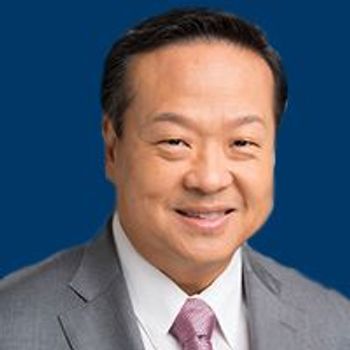
Edward Kim, MD, MBA, discussed the facets of each presentation from the meeting, featuring other emerging targeted therapies in NSCLC, biomarker testing in the space, frontline immunotherapy in NSCLC, and the current management of small cell lung cancer.
Afsaneh Barzi, MD, PhD, discusses the combination of regorafenib and pembrolizumab in patients with microsatellite stable colorectal cancer.
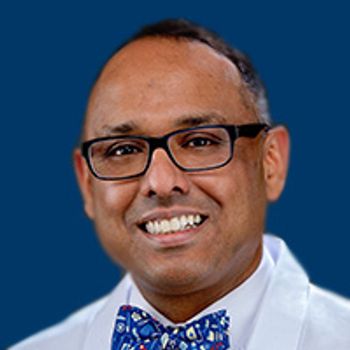
Press Release
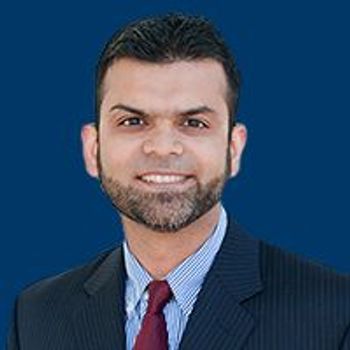
Medical oncologists Dr. Ajaz Khan, Dr. Ryan Engel, and Dr. Nitika Sharma are the latest board-certified, fellowship-trained physicians who have chosen to practice medicine at Cancer Treatment Centers of America®.
Pamela S. Becker, MD, PhD, discusses the rationale for investigating uproleselan in combination with chemotherapy in relapsed/refractory acute myeloid leukemia.
Dr Barzi discusses data from the ACCENT and RESPECT trials evaluating the value of oxaliplatin for patients with colorectal cancer, results from an investigation of nivolumab plus ipilimumab for patients with high tumor mutational burden, and more.
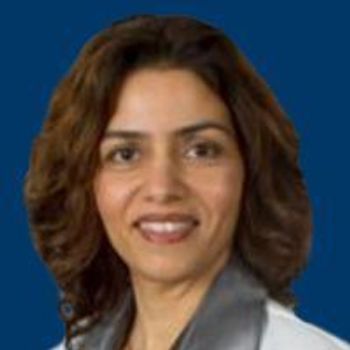
Afsaneh Barzi, MD, PhD, discusses the safety and efficacy of regorafenib in combination with pembrolizumab in patients with MSS colorectal cancer and describes potential next steps for further exploration of novel combinations in this population.
Haris Ali, MD, discusses updates in acute and chronic graft-vs-host-disease, current and emerging agents in myelofibrosis and polycythemia vera, and chronic lymphocytic leukemia management.
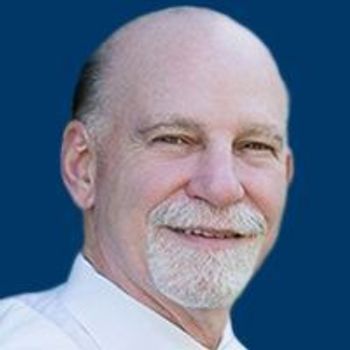
“I still have about 250 active patients with blood cancers, and every single one has my cell phone. I do everything in real time....That connection is very important and meaningful for me.”
Cancer Treatment Centers of America®, Phoenix, has achieved Magnet® recognition by the American Nurses Credentialing Center, positioning the cancer specialty hospital among a select group – just 8-10 percent of hospitals nationwide – to achieve this honor.
Afsaneh Barzi, MD, PhD, discusses the combination of VEGF inhibitors and immunotherapy in microsatellite stable metastatic colorectal cancer.
OncLive speaks with Drs. Tanya Dorff and Jathin Bandari on some exciting prostate cancer studies.
Much has been written regarding the essential role of clinical trials in the major advances in cancer therapy and observed improvement in disease-related morbidity and mortality.
Joanne Mortimer, MD, discusses current applications for HER2-directed antibody-drug conjugates, CDK4/6 inhibitors, PARP inhibitors, and checkpoint inhibitors in early-stage and metastatic breast cancer.
The organizations join forces to become one of the largest cancer research and treatment organizations in the country.

Laura Farrington, DO, Elesyia Outlaw-Evans, MD, and Ruchi Garg, MD, provide advice to female oncologists who are just starting out their careers.

Laura Farrington, DO, Elesyia Outlaw-Evans, MD, and Ruchi Garg, MD, discuss how and/or if any mentors they had during their careers helped them overcome gender-related challenges they experienced.

Laura Farrington, DO, Elesyia Outlaw-Evans, MD, and Ruchi Garg, MD, share insight on how the corporate culture has changed in oncology practices with regard to gender inequality.

Laura Farrington, DO, Elesyia Outlaw-Evans, MD, and Ruchi Garg, MD, discuss some of the gender-related obstacles that they experienced throughout their careers as female oncologists.

Laura Farrington, DO, Elesyia Outlaw-Evans, MD, and Ruchi Garg, MD, discuss their early experiences as female oncologists and some of the gender-related challenges they faced during their careers.
Drs Garg, Outlaw-Evans, and Farrington discuss their experiences as women in oncology, changes they have observed in the culture of medicine, and their advice to young women entering the field.