Leanne Burnham, PhD, discusses the need to close the gap in health disparities in prostate cancer.

Leanne Burnham, PhD, discusses the need to close the gap in health disparities in prostate cancer.

Yung Lyou, MD, PhD, discusses emerging biomarkers in prostate cancer.

Yung Lyou, MD, PhD, discusses optimal sequencing with apalutamide in prostate cancer.

Leanne Burnham, PhD, discusses health disparities in prostate cancer.

Within the hierarchy of clinical trials, phase 3 randomized studies remain the gold standard, though some argue that appropriately designed meta-analysis of multiple studies provides even more definitive and meaningful insight.

Dr. Rariy, Ms. Brown, and Ms. Greenman discuss how the COVID-19 pandemic has led to a significant delay in cancer diagnoses, impacted the training of oncologists, and revolutionized telehealth.

Tanya Dorff, MD, discusses encouraging data from a study evaluating bright white light in older patients with prostate cancer and updates from the phase ARAMIS trial.

City of Hope has entered into a licensing agreement with Imugene Ltd. for the patents covering a combination immunotherapy that enables CD19-directed CAR T-cell therapies to target and eradicate difficult-to-treat solid tumors.

Multiple FDA approvals and an increasing number of clinical trials examining molecular target–based therapeutics, including second- or even third-generation drugs against a well-defined target, present an ever-widening array of drugs for routine cancer care based on the discovery of specific molecular targets within the tumor or within the germline.

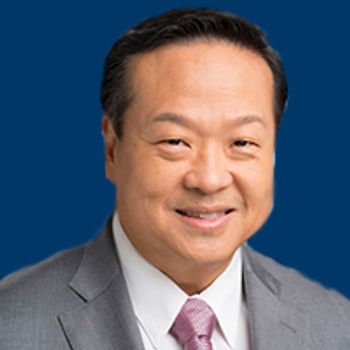
Preeminent oncologist Edward S. Kim, MD, MBA, has been named among the nation’s top cancer leaders by Friends of Cancer Research, a national organization dedicated to advances in science, policy, and regulations that speed lifesaving treatments to patients.

Treatment with teclistamab, administered subcutaneously at a dose of 1500 µg/kg once weekly, led to a high response rate and an encouraging safety profile in patients with relapsed/refractory multiple myeloma.

Two cases of cytokine release syndrome occurred during the first cycle of step-up dosing; however, both were considered non-severe and were treated without the need of tocilizumab, admission to the ICU or use of vasopressors.

Anita Johnson, MD, FACS, discusses existing disparities in cancer, studies that have helped to shed further light on the issue, and ongoing efforts being made to improve outcomes in all patients.

Although the COVID-19 vaccine rollout is unprecedented in speed and scope, the process of postapproval surveillance has been shown to be robust and should serve as a source of reassurance to the public regarding the effectiveness of the initial and follow-up review process.

Natasha Garg, DO, discusses selecting between antiandrogen agents in nonmetastatic castration-resistant prostate cancer.

The challenges of assessing COVID-19 vaccines shows that events in the real world may differ from those of a formal objective scientific analysis, especially in a setting where such evaluations of necessity involve very small numbers.

Erminia Massarelli, MD, MS, PhD, shares key updates in immunotherapy and targeted treatment for patients with NSCLC

Ravi Salgia, MD, PhD, discusses pivotal trials that have shaken up the SCLC treatment paradigm and novel immunotherapy regimens under investigation.

Dan J. Raz, MAS, MD, discusses the effects of COVID-19 on lung cancer screening.

Natasha Garg, DO, discusses the impact of antiandrogens in the treatment of patients with nonmetastatic CRPC, shared advice for choosing among the available options, and projected what the future paradigm might look like.

Joseph Mikhael, MD, MEd, FRCPC, FACP, discussed how melphalan flufenamide could potentially shift the treatment paradigm for patients with multiple myeloma.

The current endorsement of 3 COVID-19 vaccines in the United States, with several additional products pending FDA review, in less than 1 year from the identification of the structure of the COVID-19 virus is simply remarkable.

Sumanta K. Pal, MD, details ongoing research efforts dedicated to providing additional therapeutic options for patients with RCC in the second-line setting and beyond.

Tanya Dorff, MD, discusses how the FDA approvals of olaparib and rucaparib have paved the way for additional research with PARP inhibitors in metastatic castration-resistant prostate cancer.

Tanya Dorff, MD, discusses the importance of somatic testing in metastatic castration-resistant prostate cancer.

Evolving data provide provocative support for the relevance of an optimistic vs a pessimistic perspective in influencing outcomes in serious malignant conditions.

The field of triple-negative breast cancer is pushing to improve treatment by answering questions regarding biomarkers of response, defining the utility of neoadjuvant approaches, and exploring potential combinations with checkpoint inhibitors and PARP inhibitors.

The practice-changing treatment regimens that were evaluated in the pivotal KATHERINE, HER2CLIMB, and DESTINY-Breast01 trials in women with HER2-positive breast cancer are pushing the needle forward in making this breast cancer subtype a chronic disease.

Maurie Markman, MD, discusses how privacy and consent in clinical cancer trials have improved over the years.

February 8, 2021 — Narsoplimab demonstrated clinical activity and a favorable survival benefit in patients with high-risk hematopoietic stem cell transplant-associated thrombotic microangiopathy, according to updated results of a pivotal phase 2 trial.