John Theurer Cancer Center | Strategic Alliance Partners
Latest from John Theurer Cancer Center
With acquired resistance patterns emerging for nearly every agent, hematologic experts are looking closely at sequencing patterns, but more work needs to be done in aggressive malignancies in which mutations associated with resistance may be present before therapy even begins.
Dr Leslie discusses the FDA approval of pirtobrutinib in patients with MCL previously treated with a BTK inhibitor, key efficacy and safety findings from the BRUIN trial, and potential treatment sequencing strategies in patients with resistance to covalent BTK inhibitors.
Andre H. Goy, MD, discusses key findings from an assessment of durable responses in the phase 2 ZUMA-2 trial in relapsed/refractory mantle cell lymphoma.

David Siegel, MD, PhD, discusses the importance of investigating idecabtagene vicleucel in patients with relapsed/refractory multiple myeloma.

David Siegel, MD, discusses the significance of updated data from cohort 2C of the phase 2 KarMMa-2 trial in multiple myeloma.
David Siegel, MD, PhD, discusses the evaluation of idecabtagene vicleucel in cohort 2C of the KarMMa-2 trial and what these data could mean for this population and others with multiple myeloma.
Treatment with brexucabtagene autoleucel produced ongoing responses in patients with mantle cell lymphoma with high-risk disease characteristics, including those with a lower ECOG performance score and tumor burden and less frequent prior use of bridging or platinum therapy.

Lori A. Leslie, MD, discusses the 3-year follow-up data of the phase 2 ZUMA-5 trial in patients with relapsed/refractory indolent non-Hodgkin lymphoma.
Expert in minimally invasive and robotic surgery will expand access to new technology and advancesurgical research in Central New Jersey.
Andre H. Goy, MD, discusses the clinical implications of treating indolent mantle cell lymphoma.
Immunotherapy followed by targeted therapy has emerged as the new standard of care for patients with melanoma with BRAF V600 mutations.
Andrew L. Pecora, MD, discusses the key efficacy findings from the phase 3 DREAMSEQ trial in BRAF-mutated melanoma.
Andre H. Goy, MD, discusses clinical trial vs real-world treatments in patients with mantle cell lymphoma.
Martin E. Gutierrez, MD, discusses the investigation of MK-0482 in advanced solid tumors.
Ruchi Bhatt, DO, discusses the investigation of trastuzumab deruxtecan in HER2-low breast cancer.

Madhurima Anne, MD, discusses the practice-changing data of the phase 3 DESTINY-Breast04 trial in patients with HER2-low breast cancer.
Andre H. Goy, MD, discusses updates in precision medicine.
Andrew Ip, MD, discusses carboplatin, pemetrexed, and pembrolizumab as first-line therapy in recurrent/metastatic non–small cell lung cancer.
James K. McCloskey, MD, discusses the efficacy of CPX-351 in FLT3-mutated acute myeloid leukemia.
Howard M. Ross, MD, discusses the role of the microbiome colorectal cancer.
Liquid biopsy using targeted next-generation sequencing for early diagnosis and monitoring of patients with myeloid neoplasms is effective and detects chromosomal structural abnormalities.
Andrew Ip, MD, discusses the use of targeted next-generation sequencing in detecting chromosomal structural abnormalities in patients with myeloid neoplasms.
Rosario Ligresti, MD, discusses the need for screening in pancreatic cancer.
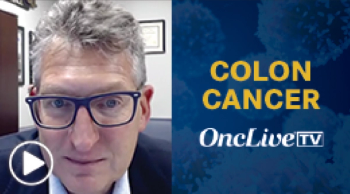
Howard M. Ross, MD, discusses the increase in colon and rectal cancer in young patients.
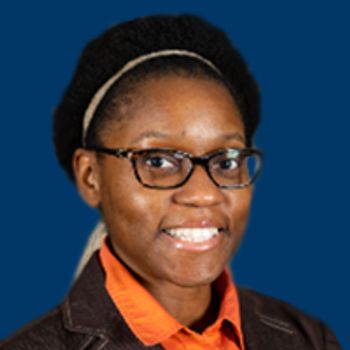
Results from the Thinking and Living with Cancer Study showed that the development of sleep disturbances during the early months of the COVID-19 pandemic increased symptoms of depression and anxiety among older women, but the findings did not differ between women who survived breast cancer and women without cancer.

Maher Albitar, MD, and Andre H. Goy, MD, discuss case studies in diffuse large B-cell lymphoma.
Maher Albitar, MD, and Andre H. Goy, MD, discuss the importance of testing for molecular abnormalities in acute myeloid leukemia.
Maher Albitar, MD, and Andre H. Goy, MD, share insights regarding molecular complexities in mantle cell lymphoma.

Maher Albitar, MD, and Andre H. Goy, MD, discuss practical aspects of next-generation sequencing.
