Memorial Sloan Kettering Cancer Center | Strategic Alliance Partners
Latest from Memorial Sloan Kettering Cancer Center

Yelena Y. Janjigian, MD, discusses results from the primary progression-free survival and interim overall survival analyses of the phase 3 KEYNOTE-811 trial in patients with HER2-positive metastatic gastric or gastroesophageal junction adenocarcinoma, and contextualizes these findings with previously reported data from this trial.
Management of ADC Toxicities in Lung Cancer
ByBenjamin P. Levy, MD,Michal F. Segal, RN,Benjamin Leon Musher, MD,Rasheda Persinger, MSN, AGNP-C, AOCNP,Kevin Kalinsky, MD, MS,Kayla Freeman, DNP, APRN, FNP-C A nurse practitioner provides insights on toxicity management strategies for patients with lung cancer who are receiving antibody-drug conjugates.
Antibody-Drug Conjugates in Lung Cancer
ByBenjamin P. Levy, MD,Michal F. Segal, RN,Benjamin Leon Musher, MD,Rasheda Persinger, MSN, AGNP-C, AOCNP,Kevin Kalinsky, MD, MS,Kayla Freeman, DNP, APRN, FNP-C A medical oncologist reviews the antibody-drug conjugate landscape in lung cancer.
Kathryn C. Arbour, MD, discusses preliminary safety and efficacy data with the RAS inhibitor RMC-6236 in patients with KRAS-mutated non–small cell lung cancer.
The combination of bezuclastinib and sunitinib had a tolerable safety profile and demonstrated early signals of clinical activity in patients with gastrointestinal stromal tumor.

Sacituzumab govitecan-hziy led to modest but durable antitumor activity with predominant gastrointestinal toxicities in patients with metastatic or locally recurrent head and neck squamous cell carcinoma who received between 1 and 3 prior lines of therapy.
The addition of pembrolizumab to combination of trastuzumab and chemotherapy led to an improvement in progression-free survival vs placebo plus trastuzumab and chemotherapy in the first-line treatment of patients with metastatic HER2-positive gastric or gastroesophageal junction cancer, particularly in those whose tumors had a PD-L1 combined positive score.
Toxicity Management for T-DM1 and T-DXd in Breast Cancer
ByBenjamin P. Levy, MD,Michal F. Segal, RN,Benjamin Leon Musher, MD,Rasheda Persinger, MSN, AGNP-C, AOCNP,Kevin Kalinsky, MD, MS,Kayla Freeman, DNP, APRN, FNP-C Specialists in breast cancer review toxicity management practices for T-DM1 and trastuzumab deruxtecan [T-DXd].
Antibody-Drug Conjugates in Breast Cancer
ByBenjamin P. Levy, MD,Michal F. Segal, RN,Benjamin Leon Musher, MD,Rasheda Persinger, MSN, AGNP-C, AOCNP,Kevin Kalinsky, MD, MS,Kayla Freeman, DNP, APRN, FNP-C A breast medical oncologist provides insights on antibody-drug conjugates in the breast cancer space and discusses ongoing research.
OncLive® and The Ruesch Center for the Cure of Gastrointestinal Cancers at Georgetown Lombardi Comprehensive Cancer Center in Washington, DC, have announced the winners of the 2023 Luminary Award in GI cancers.

Andrew Laccetti, MD, MS, discusses results from a phase 1 trial of masofaniten monotherapy in patients with metastatic castration-resistant prostate cancer and highlights the rationale for launching a phase 1/2 study evaluating masofaniten in combination with enzalutamide vs enzalutamide alone in this patient population.
Best Practices for Patient Education Surrounding Cancer Treatment
ByBenjamin P. Levy, MD,Michal F. Segal, RN,Benjamin Leon Musher, MD,Rasheda Persinger, MSN, AGNP-C, AOCNP,Kevin Kalinsky, MD, MS,Kayla Freeman, DNP, APRN, FNP-C The expert panel has a comprehensive discussion about best practices for patient education and the barriers to effective testing.
Molecular Testing Considerations in Cancer Treatment
ByBenjamin P. Levy, MD,Michal F. Segal, RN,Benjamin Leon Musher, MD,Rasheda Persinger, MSN, AGNP-C, AOCNP,Kevin Kalinsky, MD, MS,Kayla Freeman, DNP, APRN, FNP-C Medical oncologists review the complexities of molecular testing, including tissue exhaustion, and discuss management approaches.
Biomarker Testing in Gastrointestinal and Lung Cancers
ByBenjamin P. Levy, MD,Michal F. Segal, RN,Benjamin Leon Musher, MD,Rasheda Persinger, MSN, AGNP-C, AOCNP,Kevin Kalinsky, MD, MS,Kayla Freeman, DNP, APRN, FNP-C Comprehensive insights on biomarker testing practices for patients with lung or gastrointestinal cancers.
Molecular Testing in Breast Cancer
ByBenjamin P. Levy, MD,Michal F. Segal, RN,Benjamin Leon Musher, MD,Rasheda Persinger, MSN, AGNP-C, AOCNP,Kevin Kalinsky, MD, MS,Kayla Freeman, DNP, APRN, FNP-C A breast medical oncologist and nurse practitioner review molecular testing practices for patients with breast cancer.
Saad Z. Usmani, MD, MBA, FACP, discusses the complexity of approaching frontline treatment decisions in patients with high-risk multiple myeloma.
Damon R. Reed, MD, discusses the genetic differences that distinguish Ewing sarcoma from osteosarcoma, as well as unmet needs in patients with these diseases.
Mechanisms of Action of Antibody-Drug Conjugates
ByBenjamin P. Levy, MD,Michal F. Segal, RN,Benjamin Leon Musher, MD,Rasheda Persinger, MSN, AGNP-C, AOCNP,Kevin Kalinsky, MD, MS,Kayla Freeman, DNP, APRN, FNP-C The expert panel discusses the history of antibody-drug conjugates and explores their mechanisms of action.
Overview of Antibody-Drug Conjugates (ADCs)
ByBenjamin P. Levy, MD,Michal F. Segal, RN,Benjamin Leon Musher, MD,Rasheda Persinger, MSN, AGNP-C, AOCNP,Kevin Kalinsky, MD, MS,Kayla Freeman, DNP, APRN, FNP-C A panel of cancer-treating specialists introduce the discussion with a broad overview of antibody-drug conjugates (ADCs).
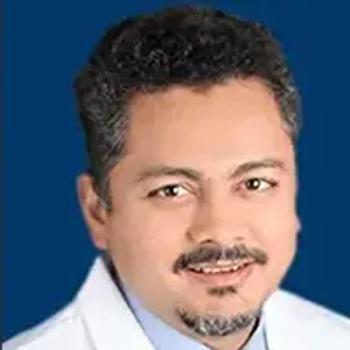
Saad Z. Usmani, MD, MBA, FACP, discusses key points from his presentation at the 2023 SOHO Annual Meeting on frontline treatment of patients with high-risk myeloma, including the characteristics of patients with disease at high risk of recurrence, current treatment approaches, and ongoing research aiming to address unmet needs for this subset of patients.

Ezra Rosen, MD, PhD, highlights the early-phase investigation of zotatifin in estrogen receptor-positive metastatic breast cancer, explains the agent’s unique mechanism of action as well as its efficacy and safety in a heavily pretreated population, and underscores the need for improved sequencing of the myriad of treatment options in the post–CDK4/6 inhibitor space.
Saad Z. Usmani, MD, MBA, FACP, discusses unmet needs in patients with high-risk multiple myeloma being treated in the frontline setting, highlighting areas of potential further exploration within this landscape.

Dazhi Liu, PharmD, MS, BCOP, discusses findings from a real-world analysis of the frequency of ERBB2 and ERBB3 alterations in patients with non–small cell lung cancer and the efficacy of liquid vs tissue biopsies for detecting these alterations.
Saad Z. Usmani, MD, MBA, FACP, discusses methods for identifying patients with high-risk multiple myeloma and notable disease characteristics in this population.
Patritumab deruxtecan displayed clinically meaningful and durable efficacy in patients with advanced EGFR-mutated non–small cell lung cancer who experienced progression following treatment with an EGFR-directed TKI and platinum-based chemotherapy.
A predictive system developed using data from United States and European stem cell transplant registries was prognostic of survival in patients with myelofibrosis undergoing allogeneic hematopoietic cell transplantation.
Dr Usmani discusses the integration of elranatamab, talquetamab, and telcistamab into the management of relapsed/refractory multiple myeloma, common adverse effects and recommended supportive care measures, and ongoing research that may help clarify their role in the paradigm.

Prioty Islam, MD, MSc, discusses the current status of the first-generation BTK inhibitor ibrutinib following the FDA approvals of next-generation BTK inhibitors in patients with chronic lymphocytic leukemia and expands on the few instances in the clinic where she may lean toward treatment with ibrutinib instead of the next-generation BTK inhibitors zanubrutinib or acalabrutinib.
Prioty Islam, MD, MSc, discusses the exploration of novel roles for BTK inhibitors in the treatment of patients with mantle cell lymphoma and chronic lymphocytic leukemia.

Looking Towards The Future of HR+/HER2- Breast Cancer
ByKomal Jhaveri, MD, FACP,Aditya Bardia, MD, MPH, FASCO,VK Gadi, MD, PhD,Timothy J. Pluard, MD,Gregory Vidal, MD, PhD The expert panel discusses ongoing research and offers closing thoughts on the future of HR+/HER2- breast cancer treatment.
