
Raajit K. Rampal, MD, PhD, discusses how the role of JAK inhibitors will continue to evolve in the treatment of patients with myelofibrosis.
Raajit K. Rampal, MD, PhD, discusses how the role of JAK inhibitors will continue to evolve in the treatment of patients with myelofibrosis.

Patients with metastatic castration-resistant prostate cancer have traditionally been burdened by a poor outlook; however, emerging therapeutic targets and novel agents directed at them are poised to affect change in this population.

Pallawi Torka, MD, discusses the BTK inhibitors available for treatment of patients with relapsed/refractory mantle cell lymphoma.
Pallawi Torka, MD, discusses the clinical implications of the FDA approval of pirtobrutinib in patients with relapsed or refractory mantle cell lymphoma.
Sergio A. Giralt, MD, discusses the rationale for investigating idecabtagene vicleucel vs standard-of-care regimens in patients with triple-class exposed relapsed/refractory multiple myeloma in the phase 3 Karmma-3 trial.

Micheal Foote, MD, discusses the quest to determine optimal sequencing of current therapeutics in the third-line setting and beyond for metastatic colorectal cancer.

The advent of antibody-drug conjugates has placed a renewed focus on the lesser thought of HER2 classifications of IHC 1+ and 0.
Anthony Mato, MD, MSCE, discusses recent data on the emerging class of noncovalent BTK inhibitors in chronic lymphocytic leukemia and their potential advantage over currently approved covalent BTK inhibitors.
Jonathan E. Rosenberg, MD, discusses key safety and efficacy data from the EV-103 trial supporting supplemental biologics license applications seeking FDA approval of enfortumab vedotin plus pembrolizumab in patients with advanced urothelial cancer.
Sergio A. Giralt, MD, discusses the investigation of idecabtagene vicleucel vs standard-of-care regimens in patients with triple-class exposed relapsed/refractory multiple myeloma in the phase 3 Karmma-3 trial.

Lenvatinib in combination with pembrolizumab led to deep and durable tumor responses in patients with previously treated advanced endometrial carcinoma.

James Harding, MD, discusses future directions in the treatment of patients with advanced biliary tract cancer.

James Harding, MD, discusses key trials contributing to the evolution of frontline chemoimmunotherapy approaches in advanced biliary tract cancer.

Tiffany A. Traina, MD, discusses the significance of the FDA approval of sacituzumab govitecan for patients with metastatic hormone receptor-positive, HER2-negative breast cancer and expanded on the data from TROPiCS-02 that supported the approval.

Because of an economic burden on the healthcare system occurring through the per-patient cost of allogeneic hematopoietic cell transplant, novel treatments to replace transplant and prevent graft-vs-host disease are necessary.
James Harding, MD, highlighted current and emerging areas of research in biliary tract cancer, including key contributions from TOPAZ-1 and the phase 3 SWOG 1815 trial, the development of immunotherapy and chemotherapy combinations, and continued efforts to utilize personalized medicine in clinical practice.

For Kevin Kalinsky, MD, MS, director of breast medical oncology at the Winship Cancer Institute of Emory University in Atlanta, Georgia, his work on the RxPONDER trial serves as one of a few accomplishments for which he is grateful that have impacted clinical care.

Sergio A. Giralt, MD, discusses long-term outcomes with hematopoietic stem cell transplant in multiple myeloma
IK-175 was found to be well tolerated in patients with advanced solid tumors and to elicit responses in those with urothelial cancer when used alone or in combination with nivolumab, according to initial data from an ongoing phase 1a/b study.
Treatment with or without bevacizumab added to atezolizumab plus cisplatin/gemcitabine demonstrated a modest clinical benefit for patients with advanced biliary tract cancer.
The combination of nivolumab (Opdivo) and chemotherapy continued to provide a clinically meaningful long-term survival benefit and deeper responses than chemotherapy alone in previously untreated patients with advanced gastric cancer, gastroesophageal junction cancer, and esophageal adenocarcinoma, according to 3-year follow-up data from the phase 3 CheckMate-649 trial.

Gopa Iyer, MD, explained the rarity of TSC1 and TSC2 mutations in GU cancers, discussed the rationale and design of PRECISION 1, and emphasized the important role next-generation sequencing plays when determining the most effective targeted therapies for patients with GU cancers and other tumor types.
Melissa A. Lumish, MD, discusses emerging treatment strategies that could lead to more individualized treatment plans for patients with rectal cancer.

Raajit K. Rampal, MD, PhD, discusses the importance of clinical trial enrollment in patients with myelofibrosis.

Nour Abuhadra, MD, discusses what the data from DESTINY-Breast04 means for trastuzumab deruxtecan in the triple-negative breast cancer space and future areas of research for antibody-drug conjugates in this disease.
Anthony Mato, MD, MSCE, discusses the relapsed refractory setting compared with the frontline setting and promising agents such as pirtobrutinib and zanubrutinib.

The non-covalent BTK inhibitor pirtobrutinib showed high levels of response in heavily pretreated patients with Waldenström macroglobulinemia, regardless of prior treatment with a covalent BTK inhibitor.

Ghassan K. Abou-Alfa, MD, discusses the administration of tremelimumab plus durvalumab in hepatocellular carcinoma and where the combination will fit in the treatment paradigm.
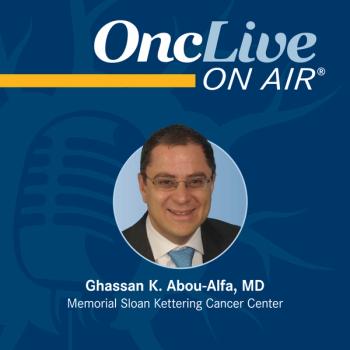
Dr Abou-Alfa discusses the FDA approval of durvalumab plus tremelimumab in unresectable hepatocellular carcinoma, the regimen’s unique mechanism of action, and the importance of expanding global access to this combination.
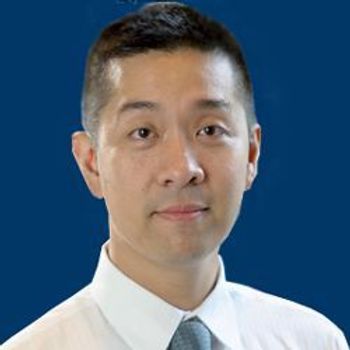
Alexander Drilon, MD, discusses key efficacy and safety data for selpercatinib from LIBRETTO-001, how the FDA approval of selpercatinib affects the current treatment landscape for RET fusion–positive advanced solid tumors, and ongoing research to expand the reach of tumor-agnostic drugs.