
Raajit K. Rampal, MD, PhD, discusses the future research of CDK4/6 inhibitors in myeloproliferative neoplasms.
Raajit K. Rampal, MD, PhD, discusses the future research of CDK4/6 inhibitors in myeloproliferative neoplasms.
Raajit K. Rampal, MD, PhD, discusses the investigation of pelabresib with or without ruxolitinib in patients with myelofibrosis.
Alexander Drilon, MD, discusses the significance of the FDA approval of selpercatinib in RET fusion–positive solid tumors.
Richard J. Lin, MD, PhD, discusses the manufacturing considerations that factor into the CAR T-cell decision-making process in diffuse large B-cell lymphoma, the importance of open communication between community and referral physicians, and how early referral leads to optimal patient outcomes with CAR T-cell therapy.
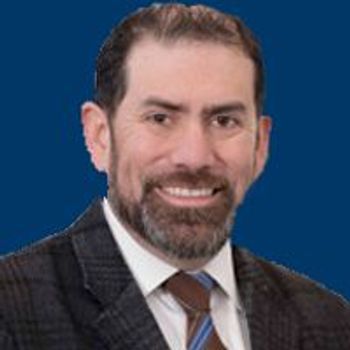
Luis A. Diaz Jr, MD, is world renowned as a scientist and leader, but his greatest contribution to the world of cancer care might be as a collaborator and mentor.
Zachary Epstein-Peterson, MD, discusses pivotal clinical trials in the treatment of patients with mantle cell lymphoma.
Mark G. Kris, MD, discusses the role of immunotherapy in patients with non–small cell lung cancer without driver mutations.
Mark G. Kris, MD, discusses the role of atezolizumab in patients with non–small cell lung cancer.
Diane Reidy-Lagunes, MD, discussed the role of next-generation sequencing paired with systemic therapies and the option of peptide receptor radionuclide therapy in neuroendocrine malignancies.
New treatments are emerging for patients with relapsed/refractory diffuse large B-cell lymphoma in addition to chimeric antigen receptor T-cell therapy, which has moved up into the second line.
Clinicians treating patients with newly diagnosed acute lymphocytic leukemia now have multiple options at their disposal, including tyrosine kinase inhibitors, blinatumomab, and multiagent chemotherapy-based regimens, with more options aiming to enter the treatment paradigm.
Steven Maron, MD, MSc, discusses the role of PD-1 inhibition in esophagogastric cancer.
Zachary Epstein-Peterson, MD, discusses the importance of treatment sequencing decisions in mantle cell lymphoma.
Rona Yaeger, MD, discusses the unmet needs for patients with KRAS G12C–mutated colorectal cancer and the promising combination therapy of adagrasib and cetuximab.
The FDA has approved cobimetinib (Cotellic) for the treatment of adult patients with histiocytic neoplasms.
The novel brain-penetrant ROS1-selective inhibitor NVL-520 elicited clinical activity and was well tolerated in heavily pretreated patients with ROS1 fusion–positive non–small cell lung cancer.
The past decade has seen a change in the tide for patients with bladder cancer with the introduction of checkpoint blockade and molecular profiling.
Single-agent neratinib produced robust responses in patients with metastatic or recurrent HER2-mutated cervical cancer, according to updated data from phase 2 SUMMIT basket trial.
Press Release
Study establishes rationale for combination approaches targeting multiple proteins — therapy produces responses in 70% of study participants, including those who who relapsed after prior CAR T therapy.
Matthew J. Matasar, MD, discusses the unmet needs remaining in diffuse large B-cell lymphoma.
Zanidatamab zovodotin was found to produce encouraging responses and to have a manageable toxicity profile when used as a monotherapy in heavily pretreated patients with HER2-positive solid cancers.
Shanu Modi, MD, discusses the significance of the FDA approval of the antibody-drug conjugate trastuzumab deruxtecan in patients with HER2-low breast cancer.
The combination of enfortumab vedotin and pembrolizumab elicited a high overall response rate and a manageable safety profile in patients with locally advanced or metastatic urothelial cancer.
Lenvatinib plus pembrolizumab maintained clinically meaningful benefits in outcomes vs physician’s choice of therapy for patients with advanced endometrial cancer who received prior platinum-based chemotherapy.
The combination of adjuvant nivolumab and ipilimumab did not elicit a significant disease-free survival benefit vs placebo in patients with localized, renal cell carcinoma at high risk for relapse after nephrectomy.
A pan-tumor blood-based assay demonstrated a specificity of 99.1% and positive predictive value of 38.0% and resulted in a diagnosis of cancer in 35 individuals.
OncLive® will be LIVE with OncLive® News Network: On Location at the 2022 ESMO Congress. Each day, we will broadcast a series of interviews with top thought leaders, to learn their thoughts and reactions to data presented across oncology during the conference.
OncLive® will be LIVE with OncLive® News Network: On Location at the 2022 ESMO Congress. Each day, we will broadcast a series of interviews with top thought leaders, to learn their thoughts and reactions to data presented across oncology during the conference.
Anita Kumar, MD, discusses considerations for the use of second-line BTK inhibitors in patients with mantle cell lymphoma who progress on BTK inhibitors.
Dr Modi discusses the significance of the FDA approval of trastuzumab deruxtecan in metastatic HER2-low breast cancer, pivotal efficacy and safety data from the DESTINY-Breast04 trial, and how these findings pave the way for further progress across cancer therapy.