
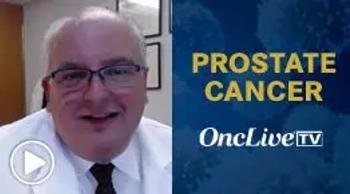
Daniel C. Danila, MD, discusses the rationale for examining immunotherapy in early-stage prostate cancer.
Daniel C. Danila, MD, discusses the rationale for examining immunotherapy in early-stage prostate cancer.
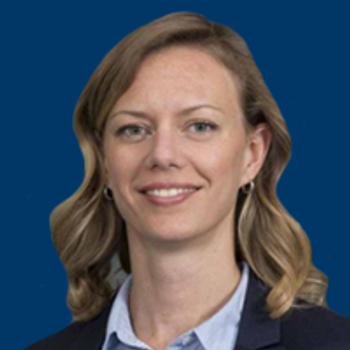
Malin Hultcrantz, MD, PhD, discusses the efficacy of belantamab mafodotin, as well as standard management for common adverse effects associated with the treatment.
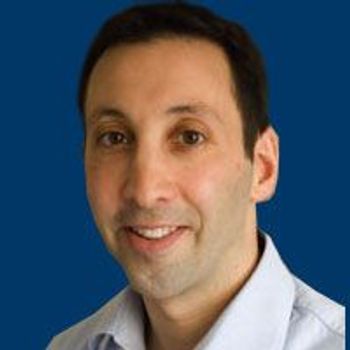
The combination of duvelisib plus romidepsin was shown to be highly active in patients with relapsed/peripheral T-cell lymphoma, according to final results from the dose expansion stage of a phase 1 trial.
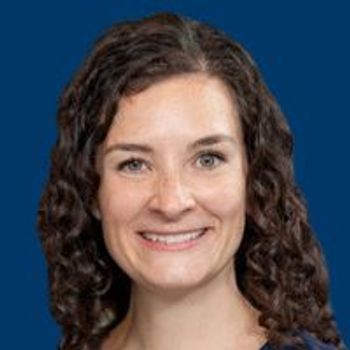
The addition of ublituximab and umbralisib to ibrutinib produced deep remissions with favorable tolerability in patients with chronic lymphocytic leukemia who previously received ibrutinib and still had detectable minimal residual disease.
The highest incidence of lymphedema observed was among the Black women with a 24-month lymphedema rate of 39.4%.
Meghan Thompson, MD, discusses the results from the use of pirtobrutinib in the phase 1/2 BRUIN study, as well as upcoming research efforts in the population of patients with Richter transformation.
Diane Reidy-Lagunes, MD, unpacked recent updates in neuroendocrine tumors.
A personalized treatment paradigm based on hypoxia imaging is promising and may yield a successful, personalized de-escalation strategy for patients with HPV-associated oropharynx cancer.
Nitya Raj, MD, discusses the results of a phase 4 trial comparing injection site pain with octreotide long-acting release vs lanreotide in well-differentiated neuroendocrine tumors.
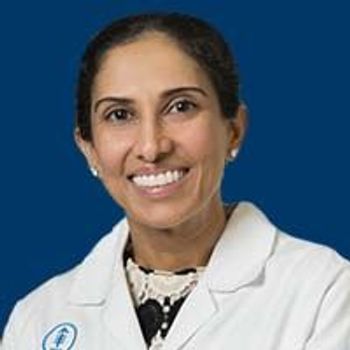
Dr. Ku underscores key takeaways from the CheckMate649 and DESTINY-Gastric02 trials in gastric/GEJ cancer and highlights ongoing research that has the potential to further inform treatment selection and sequencing in the field
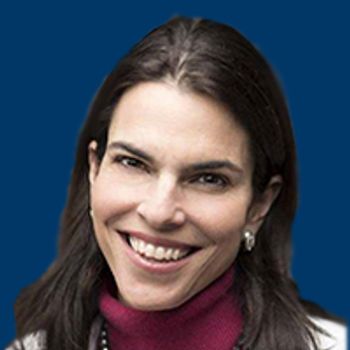
The combination of lenvatinib plus pembrolizumab induced durable responses with a manageable safety profile in adults with previously treated, advanced endometrial cancer, according to a long-term follow-up analysis of a phase 1b/2 study (NCT02501096).
Lanreotide autogel/depot administered at 120 mg every 28 days may be an appropriate treatment for patients with advanced bronchopulmonary neuroendocrine tumors.
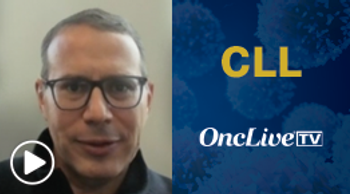
Anthony Mato, MD, MSCE, discusses the potential utilization of CAR T-cell therapy in earlier lines of therapy in chronic lymphocytic leukemia.
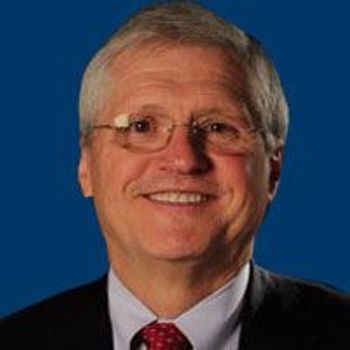
Mark G. Kris, MD, discusses recent progress in non–small cell lung cancer and small cell lung cancer, efforts being made to address unmet needs in these paradigms, and ongoing research that is generating excitement.
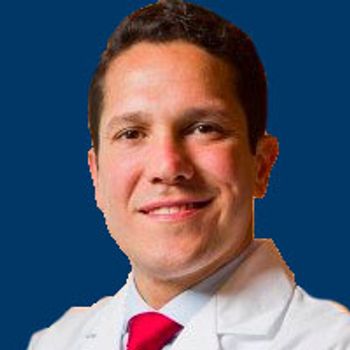
With the rise of immunotherapy, patients with lung cancer are experiencing improved outcomes that have allowed for prolonged survival, but it is important to ensure that the adverse effects associated with these novel agents are effectively managed so that their achieved efficacy does not come at the cost of quality of life.
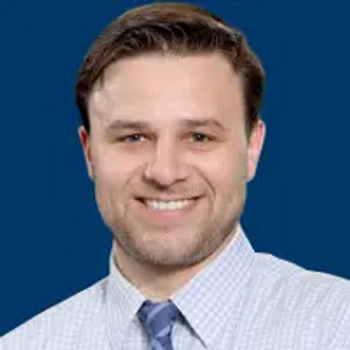
Each situation for stopping immunotherapy in lung cancer has its own complex nuances to consider before the decision is made to cease treatment.
Marjorie G. Zauderer, MD, previews some of the new approaches in mesothelioma.
Anthony Mato, MD, MSCE, discusses recent advances made in the treatment of patients with chronic lymphocytic leukemia.

The Food and Drug Administration has granted recognition to a partial listing of the Oncology Knowledge Base, a comprehensive precision oncology knowledge databased developed by investigators and physicians at Memorial Sloan Kettering Cancer Center.
Geoffrey Y. Ku, MD, discusses the rationale to evaluate zanidatamab in combination with chemotherapy in HER2-expressing gastroesophageal adenocarcinoma.
Isabel Preeshagul, DO, MBS; Catherine Ann Shu, MD; and Ashish Saxena, MD, PhD, discuss the latest findings in small cell lung cancer based on studies that were presented during the 2021 ESMO Congress, 2021 World Conference on Lung Cancer, and 2021 ASCO Annual Meeting.
Isabel Preeshagul, DO, MBS; Catherine Ann Shu, MD; and Ashish Saxena, MD, PhD, share insight on the data with novel targeted agents with impressive efficacy in patients with lung cancer, as seen at the 2021 ESMO Congress and the 2021 World Conference on Lung Cancer.
Isabel Preeshagul, DO, MBS; Catherine Ann Shu, MD; and Ashish Saxena, MD, PhD, highlight results with immunotherapy in the neoadjuvant and stage IV setting in lung cancer that were presented at the 2021 World Conference on Lung Cancer and the 2021 ESMO Congress.
Isabel Preeshagul, DO, MBS; Catherine Ann Shu, MD; and Ashish Saxena, MD, PhD, discuss breakthroughs in adjuvant immunotherapy in lung cancer from data presented at the 2021 ESMO Congress and 2021 World Conference on Lung Cancer.
Meghan Thompson, MD, discusses the rationale for the phase 1/2 BRUIN study in patients with Richter transformation.
Meghan Thompson, MD, discusses the safety profile of pirtobrutinib in patients with Richter transformation.
Dr. Ilson discusses treatment sequencing for patients with gastric and gastroesophageal junction cancer, the integration of immunotherapy into the frontline setting, and key ongoing studies in the field.
A single, high priming dose of tremelimumab plus durvalumab resulted in a statistically significant and clinically meaningful improvement in overall survival vs sorafenib when used in the frontline treatment of patients with unresectable hepatocellular carcinoma who had not previously received systemic therapy and were not eligible for localized treatment.
The initiation of the phase 3 ENHANCE trial looks to build on the generally early response to azacitidine with the addition of magrolimab, a first-in-class monoclonal antibody, for patients with intermediate-, high-, and very high–risk myelodysplastic syndrome.
Bob T. Li, MD, PhD, MPH, discusses the limitations of the phase 3 IMpower010 trial in resected stage IB to IIIA non–small cell lung cancer.