
Brian Van Tine, MD, PhD, assistant professor of medicine, Division of Oncology, Section of Medical Oncology, Washington University School of Medicine, discusses sequencing in gastrointestinal stromal tumors (GIST).
Brian Van Tine, MD, PhD, assistant professor of medicine, Division of Oncology, Section of Medical Oncology, Washington University School of Medicine, discusses sequencing in gastrointestinal stromal tumors (GIST).
OncLive interviewed Ravi Vij, MD, associate professor, Division of Oncology, Section of Bone Marrow Transplantation, Washington University School of Medicine and the Siteman Cancer Center, on what the future holds for stem cell transplantation in multiple myeloma.

Amid a coming storm of demographic trends signaling a sharp increase in the number of older people diagnosed with cancer in the United States, researchers are developing new geriatric assessment tools to help oncology specialists better manage this patient population.
Brian A. Van Tine, MD, PhD, assistant professor, Washington University School of Medicine in St. Louis, discusses some potential novel treatment modalities for the treatment of sarcoma.
Kenneth R. Carson, MD, assistant professor, Division of Oncology, Washington University, discusses mogamulizumab as a potential treatment for patients with relapsed or refractory cutaneous T cell lymphoma (CTCL).
As melanoma becomes more prevalent and more lethal in the United States, a multidisciplinary approach for treating inoperable in-transit metastases has proved to be a viable and valuable option.
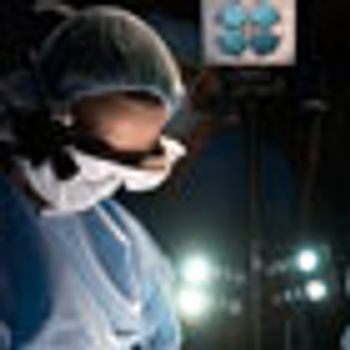
High-tech eyewear could soon help surgeons remove tumors from patients with breast cancer or melanoma by allowing them to see the margins of tumors more accurately when a dye is used to fluoresce a tumor's borders.

The question of whether fulvestrant (Faslodex) should be moved forward in the treatment timeline for postmenopausal women with advanced, hormone receptor (HR)-positive breast cancer is being evaluated in an international, randomized phase III trial.
Two years after the FDA denied a request to expand the indication of finasteride and other 5α-reductase inhibitors to prevent prostate cancer, a major study has cast doubt on the concerns that prompted the denial: that the drug raised the risk of more lethal cancers.
One of the privileges of working in an academic medical center is the luxury of being able to subspecialize in the treatment of sarcoma. Nationwide, there may be 40 to 50 medical oncologists who focus on the treatment of adult soft tissue and bone sarcoma.
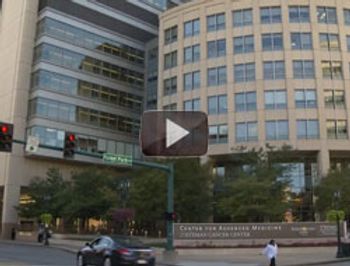
The National Cancer Institute, part of the National Institutes of Health, has awarded two major grants totaling $26 million to leukemia researchers and physicians at the Siteman Cancer Center at Barnes-Jewish Hospital and Washington University School of Medicine in St. Louis.
Rebecca L. Aft, MD, PhD, professor of surgery at the Washington University School of Medicine in St. Louis and a physician at Siteman Cancer Center, discusses the use of bisphosphonates for patients with breast cancer.
Matthew J. Ellis, MD, PhD, professor, Department of Medicine, Oncology Division, Breast Oncology Section, Washington University School of Medicine in St. Louis, Missouri, discusses the future of The Cancer Genome Atlas project.
Bruce Roth, MD, from the Siteman Cancer Center, Washington University School of Medicine, discusses the treatment of several cancers with bevacizumab.
Brian A. Van Tine, MD, PhD, Assistant Professor, Washington University School of Medicine in St. Louis, discusses identifying biomarkers in sarcomas.
Jeffrey D. Bradley, MD, Professor, Radiation Oncology, Washington University School of Medicine in St. Louis, discusses ongoing research involving radiation therapy for lung cancer.
Rebecca L. Aft, MD, PhD, from the Siteman Cancer Center, discusses the need to identify markers for patients with micrometastatic disease.

In the past year, clinical laboratories have begun determining the tumor mutational status of multiple genes simultaneously using next-generation sequencing platforms.
Jeffrey D. Bradley, MD, Professor, Radiation Oncology, Washington University School of Medicine in St. Louis, discusses the background of the phase III RTOG 0617 study.
Ron Bose, MD, PhD, from the Siteman Cancer Center, discusses the prevalence of HER2 gene mutations in patients diagnosed with breast cancer.

Patients with breast cancer who do not exhibit amplifications of the HER2 gene may still have mutations of HER2 that drive the progression of their cancer, suggesting that these mutations could serve as therapeutic targets.
Siteman patients have access to more than 250 therapeutic clinical trials, and Siteman-affiliated scientists and physicians hold more than $165 million in annual cancer research and related training grants.
Elaine Mardis, from the Genome Institute at Washington University School of Medicine, on Sensitivity to Aromatase Inhibitors
Dr. Matthew Ellis, from Siteman Cancer Center, Describes Breast Cancer Heterogeneity
Dr. Matthew Ellis from Washington University, St Louis, Discusses Genome Forward Breast Cancer Treatment
Dr. Matthew Ellis from Washington University on Anticipated ER-positive/HER2-negative Breast Cancer Paradigms
Dr. Jeffrey Bradley from Washington University School of Medicine Discusses Key Lung Cancer Topics