

Press Release
Priyamvada Rai, PhD, is the new Tumor Biology Research Program co-leader at Sylvester Comprehensive Cancer Center, part of UHealth – University of Miami Health System.
Press Release
Priyamvada Rai, PhD, is the new Tumor Biology Research Program co-leader at Sylvester Comprehensive Cancer Center, part of UHealth – University of Miami Health System.
Press Release
A large research project found that whole genome sequencing can provide much more information about classic Hodgkin lymphoma than exome sequencing, which reads only protein-coding genes.
Amer M. Beitinjaneh, MD, discusses updated results from phase 3 ALLELE trial investigating the use of tabelecleucel in Epstein-Barr Virus–positive post-transplant lymphoproliferative disease following allogeneic hematopoietic stem cell transplant or solid organ transplant after failure of rituximab with or without chemotherapy.
Press Release
Jaime Merchán, MD, is the new Translational and Clinical Oncology Research Program co-leader at Sylvester Comprehensive Cancer Center, part of UHealth – University of Miami Health System.
Press Release
An international research group, led by scientists at Sylvester Comprehensive Cancer Center at the University of Miami Miller School of Medicine, has developed a new machine learning algorithm that can combine large datasets from multiple sources to pinpoint kinases and potentially target them for treatment.
Dr D’Amato discusses research in sarcoma and gastrointestinal stromal tumor, incorporating circulating tumor DNA analysis into routine reevaluation of patients with progressive disease, and the importance of establishing a drug’s clinical profile in non–trial target ethnic populations.

With three years to go, C. Ola Landgren, MD, PhD, is on track to establish a “top three” U.S. myeloma program within five years, with the announcement of the new, dedicated Myeloma Research Institute within Sylvester Comprehensive Cancer Center.

Press Release
Top epigenetics researchers from around the world gathered in South Beach for the Fifth Biennial Miami Epigenetics and Cancer Symposium, hosted by Sylvester Comprehensive Cancer Center at the University of Miami Miller School of Medicine.

Press Release
More than 160 attendees took part in a day of learning and collaboration as Sylvester Comprehensive Cancer Center hosted the inaugural Cancer Survivorship Symposium.

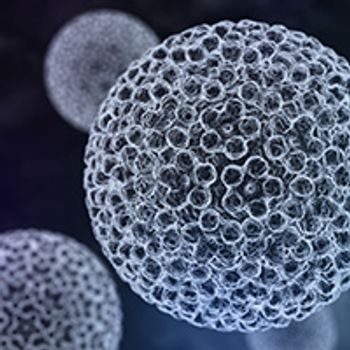
Helicobacter pylori infection is a major cause of gastric cancer, and researchers at Sylvester Comprehensive Cancer Center at the University of Miami Miller School of Medicine have several projects underway to better understand the association and develop much-needed prevention and treatment.
Press Release
Researchers at Sylvester Comprehensive Cancer Center at the University of Miami Miller School of Medicine have shown that a protein complex that governs gene expression sometimes gets rewired during breast cancer to help estrogen receptor positive tumors resist endocrine therapies and become more aggressive.
Mikkael A. Sekeres, MD, MS, discussed the changes to the classifications of MDS, the evolution of targeted therapies for patients with acute myeloid leukemia, and approaches for patients with bone marrow failure syndromes.

press release
Antonio Iavarone, MD, has made a decades-long commitment to finding better treatments for glioblastoma and other aggressive brain tumors. As the new deputy director of Sylvester Comprehensive Cancer Center at the University of Miami Miller School of Medicine, he will have opportunities to do even more.

The Florida Department of Health has awarded Nagaraj Nagathihalli, PhD, an associate professor at Sylvester Comprehensive Cancer Center at the University of Miami Miller School of Medicine, a $583,200 grant to study tobacco risk, tumor progression, and therapeutic options for pancreatic cancer.
Press Release
Sophia George, PhD, is hoping to find new strategies for early detection of ovarian cancer, a disease that is particularly deadly for African American, Caribbean, and Jewish women.

Press Release
Researchers are investigating ways to make immunotherapies more effective.

Press Release
Sylvester Comprehensive Cancer Center researchers Lluis Morey, PhD, and Ramiro Verdun, PhD, have received a $1.8 million NIH R01 grant to study the epigenetic mechanisms that drive head and neck cancers.
Press Release
Scott M. Welford, Ph.D., is the new Tumor Biology Research Program co-leader at Sylvester Comprehensive Cancer Center at the University of Miami Miller School of Medicine.
Press Release
Sylvester Comprehensive Cancer Center at the University of Miami Miller School of Medicine’s Game Changer vehicles, which bring health education and free screenings for many cancer types to South Florida communities in need, are offering prostate-specific antigen screening for prostate cancer.
Press Release
More scientific evidence about the importance of nutrition and physical activity for cancer survivors has emerged in the past 10 years, prompting the American Cancer Society to update its guidance for physicians and patients.
Press Release
New treatments, particularly immunotherapies, are providing durable benefits for patients with hepatocellular carcinoma.
Press Release
Sylvester Comprehensive Cancer Center at the University of Miami Miller School of Medicine has named Sophia George, PhD, the inaugural associate director of diversity, equity, and inclusion.
Press Release
Jashodeep Datta, MD, associate member of Sylvester Comprehensive Cancer Center at the University of Miami Miller School of Medicine, led a study recently published in the journal Oncogene that helps to explain pancreatic cancer’s notorious virulence and resistance to therapy.

Drs Goldberg and Sussman discuss key findings from their research on rates of gastrointestinal mortality, the factors that could contribute to these differences, and ways these disparities can be addressed.
Press Release
Ashish Shah, MD, has assumed the newly created position of director of clinical trials and translational research and principal investigator in the Section of Virology and Immunotherapy at Sylvester Comprehensive Cancer Center’s Brain Tumor Initiative at the University of Miami Miller School of Medicine.
Press Release
What began as a small community effort seven decades ago has resulted in a new series of grants to accelerate groundbreaking research at Sylvester Comprehensive Cancer Center at the University of Miami Leonard M. Miller School of Medicine.
Press Release
Cancer experts at the Sylvester Comprehensive Cancer Center: Annual Oncology Update shared important progress across a wide range of cancers — prostate cancer, breast cancer, colon cancer, and more — that was presented at the American Society of Clinical Oncology 2022 Annual Meeting, the largest gathering of cancer clinicians and scientists in the United States.
A team of researchers with Sylvester Comprehensive Cancer Center at the University of Miami Miller School of Medicine has identified a new cellular oxygen-sensing pathway – a discovery that could potentially lead to new approaches for treating cancer and other diseases.
Press Release
Sylvester Comprehensive Cancer Center is making another bold move to accelerate cancer research, celebrating the groundbreaking for a 244,000-square-foot, state-of-the-art Sylvester Comprehensive Cancer Center - Transformational Cancer Research Building.
Press Release
Research underscores the need to subdivide Hispanics and other racial and ethnic groups to fully understand actual disparities.