Sylvester Comprehensive Cancer Center, University of Miami | Strategic Alliance Partners
Latest from Sylvester Comprehensive Cancer Center, University of Miami
Dr Taylor discusses the significance of BTK inhibition in chronic lymphocytic leukemia, describes the key objectives of, and methods used, for the genomic analyses performed by his team, underscores the clinical significance of the data yielded from this research, and outlines where future efforts will focus.
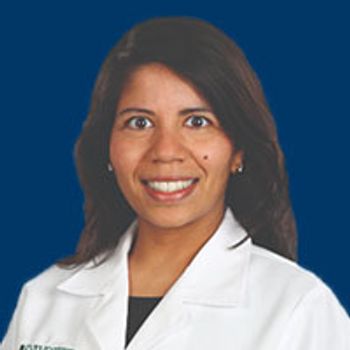
A new study by researchers at Sylvester Comprehensive Cancer Center at the University of Miami Miller School of Medicine has found that Black women with metastatic breast cancer were less likely to have tumors with treatable genetic variations than white and Asian women.
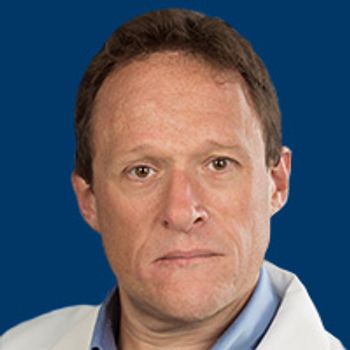
New research illuminates the mechanisms that make B-cell lymphomas resistant to important immunotherapy

The Pillai lab will explore off-the-shelf, innate natural killer T cell immunotherapies that can be targeted against challenging tumors.

Renowned robotic urologic oncology surgeon Dipen J. Parekh, MD, was the first in the nation to test a new preoperative surgical rehearsal technology recently approved by the FDA for all genitourinary conditions.

Justin W. Taylor, MD, discusses findings from a genomic analysis on BTK inhibitors in chronic lymphocytic leukemia.
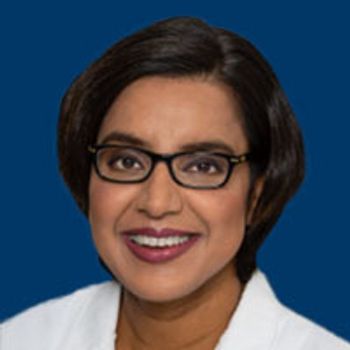
Researchers at Sylvester Comprehensive Cancer Center at the University of Miami Miller School of Medicine have joined forces with the University of Miami College of Engineering for a collaborative initiative to develop and deploy innovative technologies for early detection, diagnosis, and treatment of cancer.
Justin W. Taylor, MD, discusses the significance of BTK inhibition in the treatment of patients with CLL, the genomic analyses conducted in those enrolled to BRUIN who received pirtobrutinib, and the significance of the data yielded from this research.
Dorothy Graves, PhD, said she admired Sylvester Comprehensive Cancer Center at the University of Miami Miller School of Medicine years prior to being appointed Sylvester’s assistant vice president and associate director for administration in early 2022.
The Bristol Myers Squibb Foundation and National Medical Fellowships have selected Sylvester Comprehensive Cancer Center researcher Kristin E. Rojas, MD, FACS, for its inaugural Diversity in Clinical Trials Career Development Program.

A team led by Lluis Morey, PhD, has received a five-year, $1.7 million grant from the National Institute of General Medical Sciences to investigate treatment resistance in estrogen receptor positive breast cancer.
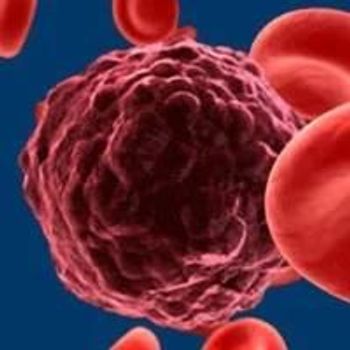
Selinexor combined with venetoclax demonstrated efficacy and tolerability in heavily pretreated relapsed/refractory multiple myeloma cell lines with t(11;14), according to small study results that were presented during the 2021 ASH Annual Meeting.
Sylvester Comprehensive Cancer Center will provide a leading role in the collaborative effort to eliminate the preventable disease that kills thousands of women around the world.

Gina Z. D’Amato, MD, discusses optimizing treatment for patients with desmoid tumors.

Estelamari Rodriguez, MD, MPH, discusses the role of immunotherapy in extensive-stage small cell lung cancer.
Pirtobrutinib elicited encouraging responses across all dose levels in patients with mantle cell lymphoma and other non-Hodgkin lymphoma who previously received all classes of available therapy, with benefit observed independent of prior therapy received, according to data from the phase 1/2 BRUIN study.
Dr. Sekeres discusses the current unmet needs of patients with higher-risk myelodysplastic syndromes receiving hypomethylating agents, the potential utility of novel combinations in development, and the incorporation of other end points beyond overall survival in clinical trials.
Mikkael A. Sekeres, MD, discusses the goal of transfusion independence in higher-risk myelodysplastic syndromes.

C. Ola Landgren, MD, PhD, discusses novel therapeutic approaches that are generating excitement in multiple myeloma.
Gilberto Lopes, MD, discusses the latest developments made in the treatment of patients with non–small cell lung cancer whose tumors harbor genetic alterations and the clinical implications of recent regulatory approvals.

C. Ola Landgren, MD, PhD, focuses on the cellular- and immunotherapy-based elements from the event and where these modern therapies optimally fit in multiple myeloma.
C. Ola Landgren, MD, PhD, discusses key safety considerations with a novel carfilzomib quadruplet regimen in patients with newly diagnosed multiple myeloma, the clinical implications of the phase 2 MANHATTAN trial, and next steps for this research.
Quadruplet regimens, such as those with daratumumab, are on the rise in the frontline treatment of patients with multiple myeloma, and the FDA approval of the first BCMA-targeted CAR T-cell therapy idecabtagene vicleucel represents the monumental advance made in the relapsed/refractory setting.

C. Ola Landgren, MD, PhD, discusses important research efforts that led to the launch of the phase 2 MANHATTAN trial, the results achieved with the weekly carfilzomib quadruplet regimen in patients with newly diagnosed multiple myeloma, and the potential for this approach irrespective of transplant eligibility status.
Dr. Landgren discusses the potential of a quadruplet regimen comprised of carfilzomib, lenalidomide, dexamethasone, and daratumumab in the treatment of patients with newly diagnosed multiple myeloma.
Dickran G. Kazandjian, MD, discusses the potential utility of bispecific T-cell engagers in relapsed/refractory multiple myeloma.

Ola Landgren, MD, PhD, discusses the clinical impact of the 4-drug combination of carfilzomib, lenalidomide, dexamethasone, and daratumumab in patients with multiple myeloma.
Ola Landgren, MD, PhD, and Francesco Maura, MD, discuss their research with whole-genome sequencing in patients with precursor conditions, and spotlight next steps for research.
The quadruplet combination comprised of carfilzomib, lenalidomide, dexamethasone, and daratumumab was linked with high rates of minimal residual disease negativity and progression-free survival in patients with newly diagnosed multiple myeloma.
Dickran G. Kazandjian, MD, discusses novel therapeutic targets in multiple myeloma.
