scout

Videos

Although there has been in increase in promising novel regimens available for patients with breast cancer in recent years, oncologists should carefully consider whether each agent would provide a significant enough benefit to offset its associated toxicities, cost, and the time and commitment by the patient it requires.
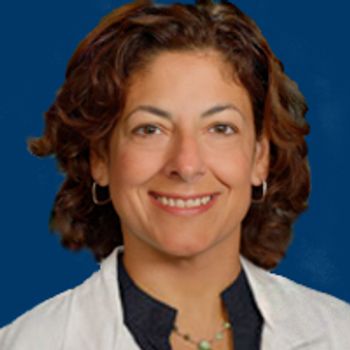
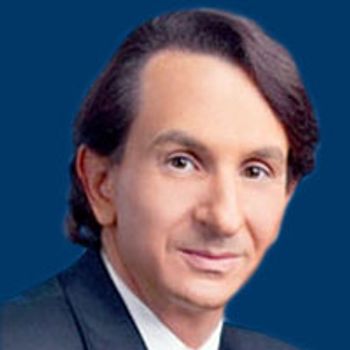
Hope S. Rugo, MD, professor of Medicine and director of the Breast Oncology Clinical Trials Program at the UCSF Hellen Diller Family Comprehensive Cancer Center, discusses the results of the SWISH trial, which examined a dexamethasone-based mouthwash for the prevention of everolimus/exemestane stomatitis in postmenopausal women with hormone receptor (HR)-positive metastatic breast cancer.

Joanne Blum, MD, PhD, FACP, physician, Texas Oncology, discusses the key takeaways from the phase III ABC (anthracyclines in early breast cancer) trials, which compared docetaxel plus cyclophosphamide versus anthracycline/taxane-based chemotherapy regimens in patients with high-risk, HER2-negative breast cancer.

Erika P. Hamilton, MD, director, Breast and Gynecologic Cancer Research Program, principal investigator, Sarah Cannon Research Institute, discusses a phase Ib study examining ONT-380 in combination with trastuzumab emtansine (T-DM1) in patients with HER2-positive breast cancer, and what potential the combination has in the neoadjuvant setting.

Henry M. Kuerer, MD, PhD, professor of Surgery, PH and Fay Etta Robinson Distinguished Professor in Research, Breast Surgical Oncology, executive director, Breast Programs, director, Breast Surgical Oncology Fellowship Training Program, Department of Surgical Oncology, Division of Surgery, The University of Texas MD Anderson Cancer Center, discusses the challenges associated with treating patients with ductal carcinoma in situ (DCIS).