

Opinion|Videos|February 17, 2026
CheckMate 9DW and the Rationale for Dual Checkpoint Blockade in Frontline HCC
In HCC, IMbrave050 tempers adjuvant atezo-bev hopes as final data weakens RFS gains, highlighting unmet need and new trials.
Advertisement
Episodes in this series
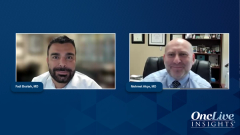
This segment examines the evolution of systemic therapy for advanced HCC, culminating in a detailed discussion of the CheckMate 9DW trial and its implications for frontline treatment selection. Dr. Braiteh begins by placing current practice in historical context, noting the steady progression from early tyrosine TKIs to more recent immunotherapy-based strategies. He highlights that ongoing research continues to explore treatment options earlier in the disease course, particularly for patients who are not transplant candidates but have not yet developed metastatic disease.
Dr. Braiteh reviews key milestones in advanced HCC, including the introduction of TKIs such as sorafenib and lenvatinib, followed by early immunotherapy experiences from CheckMate 040. These initial studies evaluated both single-agent nivolumab and nivolumab plus ipilimumab, ultimately laying the groundwork for moving dual checkpoint inhibition into the frontline setting. He then invites Dr. Akçe to discuss the CheckMate 9DW trial, a global randomized study comparing nivolumab plus ipilimumab with standard TKI therapy.
Dr. Akçe summarizes the landmark findings from CheckMate 9DW, highlighting improvements in overall survival, progression-free survival, and objective response rate with the dual immunotherapy regimen compared with lenvatinib or sorafenib. He notes that most patients in the control arm received lenvatinib, making the comparison particularly relevant to modern practice. Importantly, updated four-year follow-up data demonstrated durable responses and sustained survival benefit, reinforcing the long-term impact of this regimen.
The discussion then focuses on dosing strategy, a key differentiator among frontline immunotherapy regimens. Dr. Akçe explains how CheckMate 9DW was informed by CheckMate 040, where higher-dose ipilimumab combined with lower-dose nivolumab yielded the most favorable survival outcomes. This dosing approach reflects the immune-tolerant tumor microenvironment of HCC and the complementary mechanisms of PD-1 and CTLA-4 inhibition. Together, the faculty emphasize how these data support nivolumab plus ipilimumab as a meaningful frontline option for appropriately selected patients with advanced HCC.
Advertisement
Related to this article

Researchers at Wake Forest University School of Medicine identified a protein that may help breast cancer spread to the brain and evade immune defenses.

Benjamin Weinberg, MD, discusses the FDA approval of daraxonrasib, RASolute 302 survival data, safety considerations, and future RAS-targeted therapies in pancreatic cancer.
Half of lenalidomide-refractory patients with 1 to 3 prior lines remained alive and progression free at least 5 years after a single cilta-cel infusion.
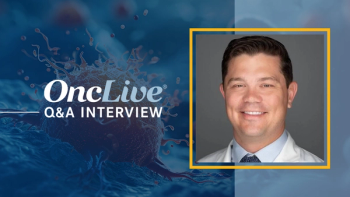
Andrew Kuykendall, MD, discusses the FDA approval of rusfertide and how to apply it in clinical practice for polycythemia vera management.

An NDA seeks FDA approval of savolitinib plus osimertinib for EGFR-mutated NSCLC with MET overexpression or amplification after EGFR TKI therapy.
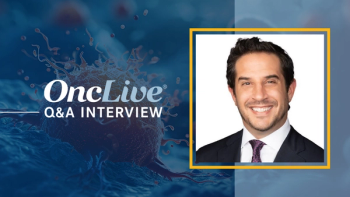
Jason Hafron, MD, discusses the emotional, clinical, and financial burden of false positive cancer screening results and improved risk stratification.

Raajit K. Rampal, MD, PhD, discusses JAK inhibitor choice in cytopenic myelofibrosis, emerging combinations, and anemia-directed agents.

The sNDA for elinzanetant seeks FDA approval for moderate-to-severe vasomotor symptoms in women receiving endocrine therapy for HR-positive breast cancer.
Advertisement
Advertisement
Trending on OncLive
1
China's NMPA Approves Pirtobrutinib Across CLL
2
FDA Grants Priority Review to Elinzanetant for Endocrine Therapy–Associated Vasomotor Symptoms in HR+ Breast Cancer
3
Long-Term PERSEUS Data Confirm Durable PFS Benefit With D-VRd in Transplant-Eligible Newly Diagnosed Myeloma
4
Calculating the Real Cost of False Positive Findings in Cancer Screening
5