

Opinion|Videos|March 3, 2026
Final Takeaways – Sequencing, Counseling, and Prevention
Weigh nivolumab–ipilimumab benefits versus immune toxicities in HCC, factoring patient comorbidities, access, preferences, and the urgent need for predictive biomarkers.
Advertisement
Episodes in this series
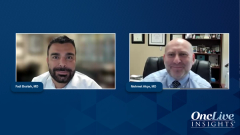
In this concluding segment, the discussion focuses on frontline sequencing challenges, practical guidance for clinicians, and broader prevention strategies.
Frontline Sequencing:
Dr. Braiteh raises the issue of an evolving frontline landscape in HCC. With multiple regimens now available, therapies that were previously frontline may shift to second-line, raising questions about the optimal sequence of treatment. Dr. Akçe emphasizes that there is no one-size-fits-all answer; decisions should be individualized based on patient characteristics, comorbidities, liver function, and support systems. The overarching principle is maximizing efficacy while carefully monitoring and managing immune-related adverse events.
Key Practical Guidance:
- The first 3–4 months (induction phase with combined checkpoint therapy) carry the highest risk for immune-related adverse events.
- Clinicians should provide thorough counseling to patients and their families, highlighting red flags and the importance of prompt reporting.
- Proactive monitoring, even between infusions, can identify serious adverse events early, improving safety and outcomes.
- Dose modifications and discontinuations may not compromise long-term benefit if managed appropriately.
Preventive Measures:
Dr. Braiteh also stresses the importance of prevention and early detection of HCC:
- Maintain healthy body weight and avoid alcohol.
- Follow CDC screening guidelines for hepatitis C, especially in adults born 1945–1965.
- Screen high-risk populations for hepatitis B, particularly immigrants from endemic regions, to enable early detection.
Closing Remarks:
The session emphasizes that immunotherapy for HCC is evolving rapidly, and treatment decisions should integrate clinical trial data, patient-specific factors, and careful monitoring. Although frontline sequencing remains an open question, the combination of individualized therapy, proactive patient engagement, and ongoing prevention offers the best path forward. The discussion ends with a hopeful note that ongoing trials and real-world experience will continue to refine treatment strategies.
This final segment underscores that clinical vigilance, patient-centered counseling, and preventive strategies are just as important as the choice of therapy itself in improving outcomes for patients with HCC.
Advertisement
Related to this article

Researchers at Wake Forest University School of Medicine identified a protein that may help breast cancer spread to the brain and evade immune defenses.
Benjamin Weinberg, MD, discusses the FDA approval of daraxonrasib, RASolute 302 survival data, safety considerations, and future RAS-targeted therapies in pancreatic cancer.

Half of lenalidomide-refractory patients with 1 to 3 prior lines remained alive and progression free at least 5 years after a single cilta-cel infusion.
Andrew Kuykendall, MD, discusses the FDA approval of rusfertide and how to apply it in clinical practice for polycythemia vera management.

An NDA seeks FDA approval of savolitinib plus osimertinib for EGFR-mutated NSCLC with MET overexpression or amplification after EGFR TKI therapy.
Jason Hafron, MD, discusses the emotional, clinical, and financial burden of false positive cancer screening results and improved risk stratification.

Raajit K. Rampal, MD, PhD, discusses JAK inhibitor choice in cytopenic myelofibrosis, emerging combinations, and anemia-directed agents.

The sNDA for elinzanetant seeks FDA approval for moderate-to-severe vasomotor symptoms in women receiving endocrine therapy for HR-positive breast cancer.
Advertisement
Advertisement
Trending on OncLive
1
China's NMPA Approves Pirtobrutinib Across CLL
2
FDA Grants Priority Review to Elinzanetant for Endocrine Therapy–Associated Vasomotor Symptoms in HR+ Breast Cancer
3
Long-Term PERSEUS Data Confirm Durable PFS Benefit With D-VRd in Transplant-Eligible Newly Diagnosed Myeloma
4
Calculating the Real Cost of False Positive Findings in Cancer Screening
5