
Opinion|Videos|October 7, 2024
COSMOS-CRC-01: Study Design and Methodology
Author(s)Yoshiaki Nakamura, MD, PhD
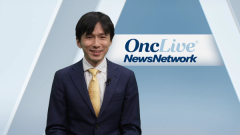
Yoshiaki Nakamura, MD, PhD, discusses how the COSMOS-CRC-01 study was designed to evaluate the efficacy of ctDNA analysis for MRD detection, outlining the rationale for patient enrollment, the timing of plasma sample collection, and the implications for monitoring disease post surgery and during adjuvant chemotherapy.
Advertisement
Episodes in this series
1. Please explain the rationale, enrollment criteria, objectives, and methodology of the COSMOS-CRC-01 study
2. What patient and/or disease factors motivated the decision to obtain the first plasma sample for ctDNA analysis at postoperative day28?
- In your experience, how soon after resection for R0 (ie, microscopically margin negative) stage II to III CRC can ctDNA sequencing be conducted and reliably detect potential MRD at the micrometastatic level?
3. Please review the timing of pre-and postadjuvant chemotherapy plasma sampling from patients who received ACT.
- In postoperative adjuvant chemotherapy, should the patient complete all cycles before submitting a plasma sample for ctDNA analysis?
- Are there circumstances when a ctDNA sample might be obtained on treatment?
Advertisement
Related to this article

The top 5 OncLive TV videos of the week.
Check out this September recap of OncLive’s coverage of the top news and expert insights in gastrointestinal cancers.
The FDA approved atezolizumab plus chemo for stage III colon cancer, cleared a tucatinib-based maintenance regimen for advanced breast cancer, and more.
Read a refresh of hematologic cancer FDA and global regulatory news from September 2026.

The liquid biopsy identifies ESR1 mutations in blood to select patients with metastatic breast cancer who may be eligible for treatment with camizestrant.

The FDA granted fast track designation to PSV359 for locally advanced unresectable or metastatic FAP-positive solitary fibrous tumors.
Experts spotlight the gastrointestinal cancer presentations they’re most excited to see at the 2026 ESMO Congress.

Surgeons at the UC San Francisco have performed over 25,000 robotically assisted minimally invasive surgeries.
Advertisement
Advertisement
Trending on OncLive
1
The OncFive: Top Oncology Articles for the Week of 10/4/2026
2
FDA Approves Atezolizumab Plus Chemo for Stage III dMMR Colon Cancer
3
FDA Grants Breakthrough Device Designation to Natera’s Multi-Cancer Early Detection Assay
4
VIR-5500 Receives FDA Fast Track Designation in mCRPC
5