
Opinion|Videos|April 15, 2026
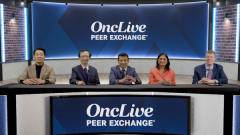
Future Directions: Neoadjuvant Strategies and Personalized Therapy in Advanced RCC
In closing, the panel reflects on where the field of advanced RCC is headed. Neoadjuvant therapy is identified as an area of growing interest, with parallels drawn to other malignancies where preoperative systemic treatment has altered outcomes. Determining which patients benefit most from this approach remains an important research question.
Advertisement
Episodes in this series
In closing, the panel reflects on where the field of advanced RCC is headed. Neoadjuvant therapy is identified as an area of growing interest, with parallels drawn to other malignancies where preoperative systemic treatment has altered outcomes. Determining which patients benefit most from this approach remains an important research question.
The discussion also addresses the concept of de escalation. As some patients achieve deep and durable responses, investigators are exploring whether treatment intensity can be reduced safely without compromising disease control.
Biomarker integration is viewed as central to the future. Circulating tumor DNA, blood based markers such as KIM-1, and molecular profiling may eventually help guide therapy selection and sequencing more precisely. Understanding resistance mechanisms remains a priority, particularly for patients who do not respond to frontline immune based combinations.
The overarching theme is movement toward more individualized care. Rather than relying solely on fixed algorithms, clinicians aim to match therapy intensity and mechanism to tumor biology and patient specific factors. The session concludes by emphasizing thoughtful, evidence informed decision making in an increasingly complex treatment landscape.
Advertisement
Related to this article
The NCCN update adds locally advanced CSCC to the category 2A listing cosibelimab received in metastatic disease in 2025.
In TASKIN, the 12-month OS rate was 61.3% with vilamakitug vs 55.7% with placebo plus trifluridine/tipiracil.
The 510(k) clearance covers an MRI-derived AI risk score for stage I to IIIA disease; the high-risk category carried an HR of 2.81 for recurrence.
The FDA has approved dostarlimab for MSI-H or dMMR locally advanced rectal cancer.

The FDA accepted an NDA for UGN-103 for recurrent low-grade intermediate-risk NMIBC, with a target action date of June 14, 2027.

Ulrich Steidl, MD, PhD, has finalized his Montefiore Einstein Comprehensive Cancer Center senior leadership team.

The CirCLIQ Injector approval for subcutaneous isatuximab in multiple myeloma is the first anticancer treatment delivered via an on-body injector in Japan.

The top 5 OncLive TV videos of the week cover insights in multiple myeloma, HR+ breast cancer, CAR T-cell therapy, CLL, and oral SERDs.
Advertisement
Advertisement
Trending on OncLive
1
FDA Clears TumorSight Risk, an MRI-Derived AI Recurrence Tool for HR+, HER2– Breast Cancer
2
Vilamakitug Meets OS Threshold in Phase 1/2 Refractory mCRC Trial
3
Dr Cercek on the FDA Approval of Dostarlimab for dMMR/MSI-H Locally Advanced Rectal Cancer
4
Weigh Benefit Against Burden: Defining Lurbinectedin’s Role in a Shifting Small Cell Lung Cancer Landscape
5