
Opinion|Videos|March 18, 2026
Sequencing Philosophy and Prioritizing Immediate Patient Needs in Advanced RCC
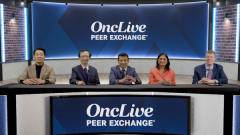
This section explores whether clinicians should plan multiple lines ahead when selecting first line therapy or focus on the patient’s immediate clinical needs. The discussion reflects two philosophical approaches: long term strategic sequencing versus treating the patient in front of you with the most appropriate therapy for the current moment.
Advertisement
Episodes in this series
This section explores whether clinicians should plan multiple lines ahead when selecting first line therapy or focus on the patient’s immediate clinical needs. The discussion reflects two philosophical approaches: long term strategic sequencing versus treating the patient in front of you with the most appropriate therapy for the current moment.
Panelists emphasize that prevention of relapse or aggressive disease control often takes precedence over preserving theoretical later line options. In the adjuvant setting, preventing recurrence may outweigh concerns about limiting subsequent therapy choices. In metastatic disease, symptomatic or high burden patients may require maximal upfront disease control.
The concept of thinking several moves ahead is acknowledged but tempered by the unpredictability of disease biology. Patients may not reach second or third line therapy. Therefore, withholding effective treatment early in order to preserve downstream strategies may not benefit the individual.
The group converges on a patient centered framework: choose what is best for the current clinical scenario while remaining aware of sequencing implications. This pragmatic approach reflects real world oncology practice, where biological heterogeneity and patient variability limit rigid algorithms.
The segment reinforces that sequencing decisions are dynamic and personalized, shaped by both clinical urgency and long term therapeutic considerations.
Advertisement
Related to this article

The NCCN update adds locally advanced CSCC to the category 2A listing cosibelimab received in metastatic disease in 2025.

In TASKIN, the 12-month OS rate was 61.3% with vilamakitug vs 55.7% with placebo plus trifluridine/tipiracil.

The 510(k) clearance covers an MRI-derived AI risk score for stage I to IIIA disease; the high-risk category carried an HR of 2.81 for recurrence.

The FDA has approved dostarlimab for MSI-H or dMMR locally advanced rectal cancer.

The FDA accepted an NDA for UGN-103 for recurrent low-grade intermediate-risk NMIBC, with a target action date of June 14, 2027.

Ulrich Steidl, MD, PhD, has finalized his Montefiore Einstein Comprehensive Cancer Center senior leadership team.

The CirCLIQ Injector approval for subcutaneous isatuximab in multiple myeloma is the first anticancer treatment delivered via an on-body injector in Japan.

The top 5 OncLive TV videos of the week cover insights in multiple myeloma, HR+ breast cancer, CAR T-cell therapy, CLL, and oral SERDs.
Advertisement
Advertisement
Trending on OncLive
1
FDA Clears TumorSight Risk, an MRI-Derived AI Recurrence Tool for HR+, HER2– Breast Cancer
2
Vilamakitug Meets OS Threshold in Phase 1/2 Refractory mCRC Trial
3
Dr Cercek on the FDA Approval of Dostarlimab for dMMR/MSI-H Locally Advanced Rectal Cancer
4
Weigh Benefit Against Burden: Defining Lurbinectedin’s Role in a Shifting Small Cell Lung Cancer Landscape
5