
Opinion|Videos|July 21, 2026
Lurbinectedin Sequencing Restrictions and Real-World Treatment Patterns in ES-SCLC
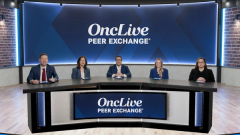
Dr. Sands addresses the NCCN footnote stating lurbinectedin cannot be reused after relapse following maintenance use, comparing this to how progression on one PD-L1 inhibitor doesn't necessarily preclude using another.
Advertisement
Dr. Sands addresses the NCCN footnote stating lurbinectedin cannot be reused after relapse following maintenance use, comparing this to how progression on one PD-L1 inhibitor doesn't necessarily preclude using another. He distinguishes between local progression (where radiating the affected site while continuing systemic therapy makes sense if overall disease control persists) versus multi-site progression indicating true drug resistance requiring discontinuation.
He emphasizes using the best available regimen upfront rather than reserving options, noting lurbinectedin's favorable tolerability profile compares well even without head-to-head randomized data. In second-line settings, response rates of approximately 35% to 36% were observed in phase 2 studies, with particular significance for patients with chemotherapy-free intervals under 90 days showing 19% achieving 6 months disease control, demonstrating a benefit exceeding their platinum response duration.
For patients with greater than 90-day chemotherapy-free intervals, 44% achieved 6 months disease control. Dr. Sands cautions against the logic of "saving" lurbinectedin for patients with poor platinum responses, suggesting patients responding well to platinum might actually benefit most from lurbinectedin. His only caveat involves ensuring adequate recovery of functional status and blood counts before initiating subsequent cytotoxic therapy, avoiding cumulative patient debilitation through overly aggressive sequential treatment without recovery periods.
Advertisement
Related to this article

Read a refresh of breast cancer FDA news from August 2026, including an sNDA application in PIK3CA-mutant disease and a fast track designation.

Lanreotide injection, a generic formulation referencing lanreotide, was approved by the FDA for GEP-NETs management.

The FDA granted final approval to aLutetium Lu 177 dotatate biosimilar for patients with SSTR-positive GEP-NETs.

The TrueBeam photon therapy system has been added to the Statesir Cancer Center at Atlantic Health CentraState Medical Center.

The addition of the β-catenin pathway inhibitor tegavivint to osimertinib produced deep responses in a phase 1b study in first-line EGFR-mutated NSCLC.

Updated NCCN guidelines now recommend rusfertide as a Category 1 option for both low- and high-risk polycythemia vera.

An observational analysis showed a long-term OS benefit with Orca-T in adult patients undergoing allogeneic transplantation for hematologic malignancies.

FDA has granted fast track designation to LYT-200 plus a hypomethylating agent in relapsed/refractory high-risk myelodysplastic syndromes.
Advertisement
Advertisement
Trending on OncLive
1
FDA Grants Fast Track Designation to LYT-200 in R/R High-Risk MDS
2
Japan Approves Subcutaneous Pembrolizumab for All Approved Pembrolizumab Indications
3
NAPISTAR-1-01 Data Support Rapid TUB-040 Development in Biomarker-Unrestricted Ovarian Cancer
4
Making Invisible Cancers Visible: Study Suggests a New Route to Turn ‘Cold’ Tumors ‘Hot’
5