
Opinion|Videos|July 14, 2026
Tarlatamab Retreatment in ES-SCLC and Resistance Mechanisms
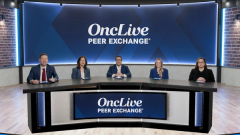
Dr. Chiang addresses whether tarlatamab used in maintenance retains efficacy if used again after progression, acknowledging significant unknowns regarding resistance mechanisms for novel T-cell engager therapies compared to better-understood chemotherapy resistance.
Advertisement
Episodes in this series
Dr. Chiang addresses whether tarlatamab used in maintenance retains efficacy if used again after progression, acknowledging significant unknowns regarding resistance mechanisms for novel T-cell engager therapies compared to better-understood chemotherapy resistance. Given the distinct mechanism of physically engaging T cells with tumor cells, she believes retreatment possibilities shouldn't be dismissed and require further study, similar to how platinum rechallenge has been used previously.
Dr. Sands discusses preliminary data from blood-based RNA expression testing revealing that resistance mechanisms may involve subtype shifting from ASCL1 to NEUROD1 with loss of DLL3 expression, alongside increased T-cell exhaustion markers suggesting diminished immunotherapy effects within the tumor microenvironment. He emphasizes interest in real-time blood-based monitoring to track these dynamic changes, noting SCLC's exceptional plasticity compared to other tumor types.
Dr. Shields suggests that patients discontinuing tarlatamab for reasons other than progression, such as complications or shared decision-making despite good disease control without acquired resistance or multifocal progression, might represent appropriate retreatment candidates. She emphasizes incomplete understanding of post-tarlatamab tumor biology, noting SCLC's high circulating tumor DNA shedding makes it particularly amenable to liquid biopsy, with multiple groups actively investigating resistance mechanisms that likely involve multiple contributing factors rather than singular pathways.
Advertisement
Related to this article

Read a refresh of breast cancer FDA news from August 2026, including an sNDA application in PIK3CA-mutant disease and a fast track designation.

Lanreotide injection, a generic formulation referencing lanreotide, was approved by the FDA for GEP-NETs management.

The FDA granted final approval to aLutetium Lu 177 dotatate biosimilar for patients with SSTR-positive GEP-NETs.

The TrueBeam photon therapy system has been added to the Statesir Cancer Center at Atlantic Health CentraState Medical Center.

The addition of the β-catenin pathway inhibitor tegavivint to osimertinib produced deep responses in a phase 1b study in first-line EGFR-mutated NSCLC.

Updated NCCN guidelines now recommend rusfertide as a Category 1 option for both low- and high-risk polycythemia vera.

An observational analysis showed a long-term OS benefit with Orca-T in adult patients undergoing allogeneic transplantation for hematologic malignancies.

FDA has granted fast track designation to LYT-200 plus a hypomethylating agent in relapsed/refractory high-risk myelodysplastic syndromes.
Advertisement
Advertisement
Trending on OncLive
1
FDA Grants Fast Track Designation to LYT-200 in R/R High-Risk MDS
2
Japan Approves Subcutaneous Pembrolizumab for All Approved Pembrolizumab Indications
3
NAPISTAR-1-01 Data Support Rapid TUB-040 Development in Biomarker-Unrestricted Ovarian Cancer
4
Making Invisible Cancers Visible: Study Suggests a New Route to Turn ‘Cold’ Tumors ‘Hot’
5