Now Playing
This opening segment introduces the goals of the OncLive Insights program and frames genomic testing as a core element of the modern lung cancer diagnostic pathway.
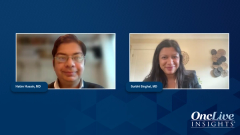
This opening segment introduces the goals of the OncLive Insights program and frames genomic testing as a core element of the modern lung cancer diagnostic pathway. Dr Husain welcomes viewers and outlines how the discussion will focus on tools, timing, and clinical impact of molecular testing in lung cancer. Dr Singhal then walks through how newly diagnosed patients typically move from imaging to biopsy and into genomic profiling, explaining why the sequence of these steps strongly affects treatment selection. The experts describe how early testing prevents delays in starting targeted therapy and avoids exposing patients to ineffective treatments while molecular data are pending. They emphasize that in current practice genomic testing should be considered part of the initial diagnostic workup rather than an optional later step. The conversation highlights how reflex testing strategies, in which molecular profiling is triggered automatically when lung cancer is diagnosed, help ensure that actionable mutations are not missed. They also discuss how early results allow clinicians to triage patients more accurately between targeted therapy, immunotherapy, and chemotherapy. This segment sets the clinical context for the rest of the program by showing how testing is no longer a secondary activity but instead a driver of early decision making in lung cancer care. The panel underscores that speed, accuracy, and completeness of testing are critical because treatment selection now depends on molecular features as much as histology or stage.