
Opinion|Videos|October 21, 2026
Next-Generation CTLA-4 Therapy in Squamous NSCLC
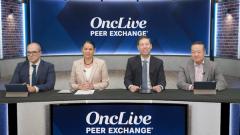
In this segment, the panel discusses next-generation CTLA-4-directed therapies being engineered with the goal of improving selectivity and reducing the systemic toxicities associated with earlier CTLA-4 inhibitors in advanced squamous non-small cell lung cancer (NSCLC).
Advertisement
Episodes in this series
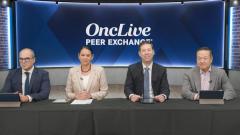
In this segment, the panel discusses next-generation CTLA-4-directed therapies being engineered with the goal of improving selectivity and reducing the systemic toxicities associated with earlier CTLA-4 inhibitors in advanced squamous non-small cell lung cancer (NSCLC). The discussion begins with the importance of multidisciplinary collaboration, particularly as newer treatment modalities such as cell therapy expand into solid tumors. Dr. Christian Rolfo then describes how pharmaceutical engineering is being used to modify the characteristics of CTLA-4-directed agents, with the intention of creating a wider therapeutic window. He explains that some newer compounds are designed to alter antibody behavior and promote internalization and degradation of CTLA-4, rather than relying solely on sustained surface binding. The panel discusses early clinical experience suggesting that these approaches may reduce toxicity, while emphasizing that immune-related adverse events can still occur. The experts note that confirmatory studies will be important to determine whether these engineered approaches can maintain antitumor activity while providing a more favorable safety profile.
Advertisement
Related to this article
Fadi Haddad, MD, discusses TKI adherence barriers, adverse effect management, and the role of alternative TKI formulations in CML.
Updated ARC-20 data showed casdatifan activity as monotherapy and in combinations across treatment lines in advanced clear cell RCC.

The designation covers QTX3034 plus cetuximab with or without FOLFOX; phase 1 data showed a 25% confirmed ORR with the doublet in CRC and PDAC.

MimiVax and Roswell Park announced phase 2b SURVIVE trial results evaluating the SurVaxM vaccine in newly diagnosed glioblastoma.

Faculty at an OncLive Scientific Interchange and Workshop discussed individualizing frontline immune checkpoint inhibitor selection in metastatic NSCLC.

The FDA granted fast track designation to MC001 for pancreatic cancer.
The NCCN update adds locally advanced CSCC to the category 2A listing cosibelimab received in metastatic disease in 2025.
In TASKIN, the 12-month OS rate was 61.3% with vilamakitug vs 55.7% with placebo plus trifluridine/tipiracil.
Advertisement
Advertisement
Trending on OncLive
1
QTX3034 Plus Cetuximab Receives FDA Fast Track Designation in KRAS G12D–Mutated CRC
2
FDA Grants Fast Track Designation to MC001 in Pancreatic Cancer
3
PD-L1, Histology, and Safety Profile Guide ICI Selection in NSCLC
4
Casdatifan Demonstrates Activity in Advanced Clear Cell RCC
5