

Opinion|Videos|October 7, 2026
Genomic Testing in Squamous NSCLC
In this segment, the panel discusses the potential role of genomic testing and biomarker identification in advanced squamous non-small cell lung cancer (NSCLC), particularly as new therapeutic approaches emerge following immunotherapy.
Advertisement
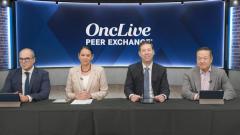
In this segment, the panel discusses the potential role of genomic testing and biomarker identification in advanced squamous non-small cell lung cancer (NSCLC), particularly as new therapeutic approaches emerge following immunotherapy. The experts consider whether dual immunotherapy approaches, including CTLA-4-directed strategies, may have a role in patients with low or negative PD-L1 expression. The discussion emphasizes that precision oncology has advanced further in nonsquamous NSCLC than in squamous disease and that the molecular biology of squamous NSCLC remains incompletely characterized. The panel encourages comprehensive genomic testing to identify potentially actionable alterations that might otherwise be missed, including less common genomic changes and RNA-based findings. Dr. Edward Kim highlights the importance of continuing to investigate the broader molecular landscape of squamous NSCLC, while Dr. Christian Rolfo discusses the potential value of identifying molecular signatures in addition to individual gene alterations. The panel concludes that improved molecular classification could help identify biologically distinct subgroups and support development of more personalized treatment strategies for squamous NSCLC.
Advertisement
Related to this article

Experts break down key multiple myeloma data and trends from the 23rd Annual IMS Meeting.

Firmonertinib did not significantly improve BICR-assessed PFS vs platinum/pemetrexed chemotherapy in first-line EGFR exon 20–mutant NSCLC in FURVENT trial.

Carotuximab plus apalutamide demonstrated longer median progression-free survival than apalutamide alone in an interim phase 2 analysis in mCRPC.

Mayo Clinic researchers led a multicenter study that found dividing radiation into several treatments, known as fractionated stereotactic radiosurgery, reduced the risk of cancer returning after surgery
Ruxolitinib 1.5% cream outperformed placebo vehicle in reducing lesional skin involvement in patients with epidermal or superficially sclerotic cutaneous chronic GVHD.

Lung cancer experts discuss emerging strategies after immunotherapy in advanced squamous NSCLC, including updated PRESERVE-003 data from WCLC 2026.

Most patients treated with talquetamab at a single center would not have qualified for MonumenTAL-1, yet responses were similar regardless of trial eligibility.

Epcoritamab plus R-CHOP reduced the risk of progression or death by 51% vs R-CHOP alone in newly diagnosed DLBCL.
Advertisement
Advertisement
Trending on OncLive
1
Next-Generation CTLA-4 Targeting Frames Post-Immunotherapy Squamous NSCLC Management
2
Epcoritamab Plus R-CHOP Meets PFS End Point in Newly Diagnosed DLBCL
3
Talquetamab Demonstrates Preserved Activity in MonumenTAL-1–Ineligible Patients With Relapsed/Refractory Myeloma
4
Firmonertinib Fails to Meet PFS End Point in First-Line EGFR Exon 20 Insertion–Mutant NSCLC
5