
Opinion|Videos|November 18, 2026
Monitoring and Managing CTLA-4 Toxicities in Squamous NSCLC
In this segment, the panel discusses monitoring and managing immune-related toxicities in patients with advanced squamous non-small cell lung cancer (NSCLC) receiving CTLA-4-directed therapy after prior immunotherapy.
Advertisement
Episodes in this series
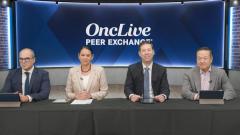
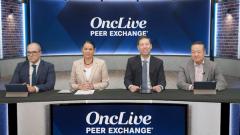
In this segment, the panel discusses monitoring and managing immune-related toxicities in patients with advanced squamous non-small cell lung cancer (NSCLC) receiving CTLA-4-directed therapy after prior immunotherapy. Dr. Edward Kim emphasizes vigilance for a broad range of potential immune-related adverse events, including colitis, skin toxicities, thyroid dysfunction, hepatic abnormalities, and less specific symptoms that may signal other immune-mediated complications. The discussion highlights the importance of establishing multidisciplinary support for patients treated in community settings, where access to specialists experienced in managing these toxicities may be limited. Dr. Kim describes the use of structured clinical pathways, defined laboratory and reassessment schedules, emergency contacts, and telehealth connections with specialty teams to support community clinicians. Dr. Narjust Florez emphasizes patient and caregiver education, particularly for individuals who may live far from treatment centers or hesitate to report symptoms. The panel also discusses providing patients with treatment and safety information cards that identify the therapy, expected toxicities, and appropriate contacts to facilitate timely recognition and management across care settings.
Advertisement
Related to this article

Longer follow-up of KANDLELIT-001 supports frontline calderasib plus pembrolizumab in KRAS G12C–mutated metastatic non–small cell lung cancer.

The CHMP backed sintilimab plus chemotherapy in NSCLC; the FDA issued a complete response letter for the regimen in 2022.

The FDA removed the PCNSL limitation of use from the liso-cel label in LBCL, making it the second CAR T-cell therapy with this update.

Quality Improvement and EGFR-Mutant Lung Cancer Survivorship Research Help Shape Fellowship Training
Christine Ann Garcia, MD, MPH, discusses error review in fellowship training, survivorship in EGFR+ lung cancer, and nontraditional career paths.

Sanjiv Gangaram-Panday, MD, PhD, discusses 5-year SANO outcomes, distant dissemination, and next steps for active surveillance in esophageal cancer.

Alissa Cooper, MD, reviews new data for established and emerging antibody-drug conjugate targets in non–small cell lung cancer and argues that payload innovation and better patient selection are the field's greatest needs.

The FDA accepted an sNDA for selinexor plus ruxolitinib in myelofibrosis, with a target action date of June 28, 2027.
The FDA has approved neladalkib for previously treated, ALK-positive, locally advanced or metastatic non-small cell lung cancer.
Advertisement
Advertisement
Trending on OncLive
1
FDA Removes Limitations of Use for Liso-Cel in Primary Central Nervous System Lymphoma
2
Beyond the Target: Payloads, Therapeutic Windows, and Biomarkers Shape the Next Wave of ADCs in NSCLC
3
Sintilimab Receives Positive CHMP Opinion for First-Line Nonsquamous NSCLC
4
Quality Improvement and EGFR-Mutant Lung Cancer Survivorship Research Help Shape Fellowship Training
5