
Opinion|Videos|November 4, 2026
Safety and Trial Design in Squamous NSCLC
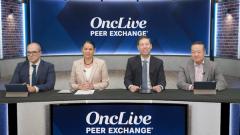
In this segment, the panel discusses the emerging safety profile of next-generation CTLA-4-directed therapy in advanced squamous non-small cell lung cancer (NSCLC) and how toxicity findings should be interpreted alongside efficacy data.
Advertisement
Episodes in this series
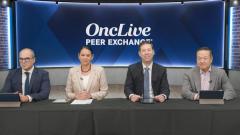
In this segment, the panel discusses the emerging safety profile of next-generation CTLA-4-directed therapy in advanced squamous non-small cell lung cancer (NSCLC) and how toxicity findings should be interpreted alongside efficacy data. The experts note that the observed adverse events have generally been consistent with the expected toxicity profile of CTLA-4-directed therapy, including immune-related events such as hepatic enzyme abnormalities, diarrhea, and colitis. The panel also discusses the early observation that grade 3 adverse events were reported more frequently with docetaxel in the available analysis. However, the experts emphasize that the initial dataset remains relatively small and that efficacy and safety findings may change as the study population expands. The discussion considers how patient selection and the exclusion of individuals with substantial symptoms or comorbidities can influence trial outcomes, particularly in squamous NSCLC. Dr. Edward Kim also highlights the value of adaptive trial designs that can respond to emerging efficacy signals across histologic subgroups, potentially allowing development programs to evolve without restarting the entire process.
Advertisement
Related to this article

See what leading breast oncologists have to say about practice-informing data to come out of the 2026 ESMO Congress.

Community hematologists/oncologists discussed bispecific antibody integration in community practice for relapsed/refractory multiple myeloma.
TP53 Comutations, Long-Term Toxicity, and Sunvozertinib Access Shape EGFR+ NSCLC Treatment Decisions
Faculty at an OncLive Scientific Interchange and Workshop discussed factors that help inform treatment selection in advanced EGFR-mutated NSCLC.

Roswell Park researchers identified a promising strategy to overcome resistance to KRAS-targeted cancer therapies.
Faculty at an OncLive Scientific Interchange and Workshop discussed operationalizing outpatient bispecific antibody therapy for relapsed/refractory multiple myeloma.
Keith Flaherty, MD, FAACR, discusses the 2026 AACR Cancer Progress Report and how the oncology field can build on the report’s findings.
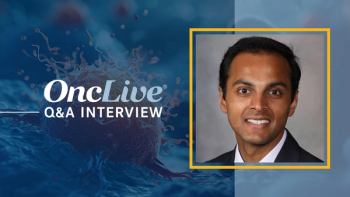
Praful Ravi, MB, BChir, MRCP, discusses the LASER futility readout, PSMA heterogeneity in clear cell RCC, and next steps for radiopharmaceuticals.
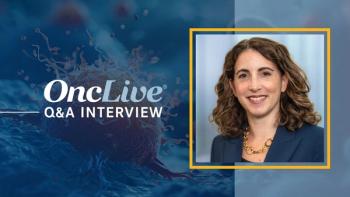
Erica L. Mayer, MD, MPH, discusses the FDA approval of camizestrant for ESR1-mutated HR+/HER2– breast cancer and the importance of ctDNA monitoring.
Advertisement
Advertisement
Trending on OncLive
1
Breast Cancer Experts Spotlight Practice-Informing and Thought-Provoking Data From ESMO 2026
2
TP53 Comutations, Long-Term Toxicity, and Sunvozertinib Access Shape EGFR+ NSCLC Treatment Decisions
3
Phase 1 Study of BGB-B2033 (GPC3 x 4-1BB Bispecific Antibody) Monotherapy: First Disclosure of Dose Optimization and Dose Escalation Update in Advanced Hepatocellular Carcinoma
4
Outpatient Models and Prophylactic Measures Help Bring Bispecifics Into Community Practice for R/R Myeloma
5