

Opinion|Videos|September 28, 2026
Treatment Challenges in Squamous NSCLC
When immunotherapy stops working in squamous NSCLC, clinicians weigh docetaxel±ramucirumab, weekly dosing, and clinical trials.
Advertisement
Episodes in this series
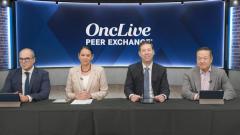
In this segment, the panel examines why therapeutic advances in squamous non-small cell lung cancer (NSCLC) have not matched the pace of progress seen in nonsquamous disease. Dr. Edward Kim discusses the historical development of targeted therapies in lung cancer and explains how the limited number of actionable and druggable alterations in squamous NSCLC has complicated efforts to develop effective targeted treatments. The panel references the Lung-MAP experience and other biomarker-directed approaches, noting that these efforts have not yet produced the same degree of therapeutic progress seen in other NSCLC subtypes. The experts also discuss the biological complexity of squamous NSCLC, including its association with smoking and frequent TP53 alterations, and the challenges these features present for drug development. The discussion then turns to PRAGMATICA-LUNG, including the initial interest generated by earlier-phase findings and the lack of a significant overall survival benefit in the phase 3 study. Despite the efficacy result, the panel highlights lessons from the trial regarding clinical trial design and expanding trial access for patients treated in community settings.
Advertisement
Related to this article

Faculty convened at an OncLive Scientific Interchange and Workshop to discuss individualized treatment and strategic sequencing in HER2-mutated NSCLC.

Researchers at Wake Forest University School of Medicine identified a protein that may help breast cancer spread to the brain and evade immune defenses.
Benjamin Weinberg, MD, discusses the FDA approval of daraxonrasib, RASolute 302 survival data, safety considerations, and future RAS-targeted therapies in pancreatic cancer.
Half of lenalidomide-refractory patients with 1 to 3 prior lines remained alive and progression free at least 5 years after a single cilta-cel infusion.

Andrew Kuykendall, MD, discusses the FDA approval of rusfertide and how to apply it in clinical practice for polycythemia vera management.

An NDA seeks FDA approval of savolitinib plus osimertinib for EGFR-mutated NSCLC with MET overexpression or amplification after EGFR TKI therapy.
Jason Hafron, MD, discusses the emotional, clinical, and financial burden of false positive cancer screening results and improved risk stratification.

Raajit K. Rampal, MD, PhD, discusses JAK inhibitor choice in cytopenic myelofibrosis, emerging combinations, and anemia-directed agents.
Advertisement
Advertisement
Trending on OncLive
1
Savolitinib Plus Osimertinib NDA Submitted to FDA for MET-Driven, EGFR-Mutated NSCLC After EGFR TKI
2
Daraxonrasib Approval Signals a New Era for RAS-Targeted Therapy in Pancreatic Cancer
3
Cilta-Cel Shows Long-Term Treatment-Free Remissions in Lenalidomide-Refractory Myeloma
4
Researchers Uncover How Aggressive Breast Cancer May Spread to the Brain
5