
Opinion|Videos|July 28, 2026
Second-Line Sequencing After Osimertinib Progression in EGFR-Mutated Non-Small Cell Lung Cancer: COMPEL and MARIPOSA-2
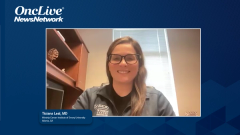
Author(s)Ticiana A. Leal, MD
Dr. Leal outlines her approach to second-line treatment selection following progression on frontline osimertinib monotherapy in EGFR-mutated NSCLC. She recommends repeat molecular testing at progression, particularly liquid biopsy for rapid, noninvasive results, ideally complemented by tissue biopsy to characterize resistance mechanisms and exclude histologic transformation such as small cell transformation. Common resistance mechanisms include C797S mutations and MET alterations. Clinical factors informing second-line selection include performance status, organ function (particularly renal function given platinum-based chemotherapy considerations), burden and sites of progression (with consideration of localized radiation for limited progression, including CNS-limited disease), social support, and patient preference regarding treatment intensity.
Advertisement
Episodes in this series
Dr. Leal outlines her approach to second-line treatment selection following progression on frontline osimertinib monotherapy in EGFR-mutated NSCLC. She recommends repeat molecular testing at progression, particularly liquid biopsy for rapid, noninvasive results, ideally complemented by tissue biopsy to characterize resistance mechanisms and exclude histologic transformation such as small cell transformation. Common resistance mechanisms include C797S mutations and MET alterations. Clinical factors informing second-line selection include performance status, organ function (particularly renal function given platinum-based chemotherapy considerations), burden and sites of progression (with consideration of localized radiation for limited progression, including CNS-limited disease), social support, and patient preference regarding treatment intensity.
She reviews the COMPEL regimen (osimertinib plus chemotherapy versus chemotherapy alone after osimertinib progression), noting the study excluded patients with CNS progression and underwent a sample size reduction due to accrual challenges, but showed approximately 6-month PFS improvement and a trend toward OS benefit, making this treatment a reasonable option for appropriately selected patients.
She contrasts this with MARIPOSA-2, a randomized phase 3 trial demonstrating that amivantamab plus chemotherapy improved both PFS and OS compared to chemotherapy alone after osimertinib progression, including a notable intracranial PFS benefit, which is especially meaningful given the persistent risk of CNS progression in this population. She acknowledges greater toxicity burden with MARIPOSA-2 historically, though incorporation of subcutaneous amivantamab (demonstrated in COPERNICUS Cohort 2) is shifting this balance toward a more manageable side effect profile.
Advertisement
Related to this article

Benjamin Weinberg, MD, discusses the FDA approval of daraxonrasib, RASolute 302 survival data, safety considerations, and future RAS-targeted therapies in pancreatic cancer.

Half of lenalidomide-refractory patients with 1 to 3 prior lines remained alive and progression free at least 5 years after a single cilta-cel infusion.

Andrew Kuykendall, MD, discusses the FDA approval of rusfertide and how to apply it in clinical practice for polycythemia vera management.

An NDA seeks FDA approval of savolitinib plus osimertinib for EGFR-mutated NSCLC with MET overexpression or amplification after EGFR TKI therapy.

Jason Hafron, MD, discusses the emotional, clinical, and financial burden of false positive cancer screening results and improved risk stratification.

Raajit K. Rampal, MD, PhD, discusses JAK inhibitor choice in cytopenic myelofibrosis, emerging combinations, and anemia-directed agents.

The sNDA for elinzanetant seeks FDA approval for moderate-to-severe vasomotor symptoms in women receiving endocrine therapy for HR-positive breast cancer.

The NMPA has approved of pirtobrutinib in treatment-naive and previously treated CLL/SLL.
Advertisement
Advertisement
Trending on OncLive
1
Ifinatamab Deruxtecan BLA Voluntarily Withdrawn in Previously Treated Extensive-Stage SCLC
2
China's NMPA Approves Pirtobrutinib Across CLL
3
FDA Grants Priority Review to Elinzanetant for Endocrine Therapy–Associated Vasomotor Symptoms in HR+ Breast Cancer
4
Long-Term PERSEUS Data Confirm Durable PFS Benefit With D-VRd in Transplant-Eligible Newly Diagnosed Myeloma
5