

Dual HER2-targeted therapy plus checkpoint blockade may offer an effective, tolerable chemotherapy alternative in HER2-positive early breast cancer.

Editor, OncLive
Courtney Flaherty started working for OncLive in 2022. Leveraging an educational background in the life sciences and prior experience conducting interviews in a university setting, she plays a key role in shaping social media and email strategy, covering live conferences, and producing multimedia content for both print and digital platforms. Email: [email protected]
Dual HER2-targeted therapy plus checkpoint blockade may offer an effective, tolerable chemotherapy alternative in HER2-positive early breast cancer.
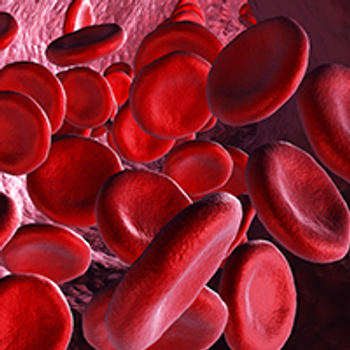
Olutasidenib alone or administered with azacitidine was safe and clinically effective in patients with IDH1-mutated myelodysplastic syndrome.

Rebecca Kristeleit, BSc, MBChB, MRCP, PhD, shares post-progression and updated survival outcomes with frontline rucaparib maintenance in ovarian cancer.

The galectin-9–targeted monoclonal antibody LYT-200 received FDA fast track designation for recurrent/metastatic head and neck squamous cell cancer.
Abdulrahman Sinno, MD, discusses the paradigm shift from a histology-based to molecular-based understanding of endometrial cancer and its impact on treatment outcomes.

Responses with savolitinib plus osimertinib were higher in patients with NSCLC who had higher MET amplification cutoffs vs the overall population.
LSTA1 has been granted orphan drug designation by the FDA for the treatment of patients with osteosarcoma.
A proteomics analysis revealed significant variations in protein expression and informative markers between African vs European prostate tumors.
Administration of atezolizumab after definitive local therapy did not improve EFS or OS in patients with head and neck squamous cell carcinoma.

The anti-CD70 CAR T-cell therapy CTX130 showed activity and manageable toxicities in advanced renal cell carcinoma.

Durvalumab monotherapy showed clinical benefit in limited-stage small cell lung cancer, according to data from the phase 3 ADRIATIC trial.

Data from the phase 2 KICKSTART trial of tomivosertib plus pembrolizumab do not support the combination's use in patients with non–small cell lung cancer.
Debra L. Richardson, MD, FACS, FACOG, expands on results with upifitamab rilsodotin in platinum-resistant high-grade serous ovarian cancer.
LSTA1 has received rare pediatric disease designation from the FDA for the treatment of patients with osteosarcoma.

Elias Jabbour, MD, expands on the significance of ponatinib’s approval in Philadelphia chromosome–positive acute lymphoblastic leukemia.
Sunil Iyer, MD, expands on the potential role of imetelstat for select patients with lower-risk myelodysplastic syndrome.

Experts delineate the latest developments and lingering questions in bladder and renal cancers, covering pivotal trials, emerging therapies, and optimal management approaches.

Capivasertib plus fulvestrant has been approved in Japan for pretreated, PIK3CA-, AKT1-, or PTEN-altered, HR-positive, HER2-negative breast cancer.

Osimertinib plus chemotherapy confers superior post-progression survival outcomes vs osimertinib alone in patients with EGFR-mutated NSCLC.
Sunil Iyer, MD, expands on the impact of the FDA’s approval of luspatercept on the management of lower-risk myelodysplastic syndrome.
Saad J. Kenderian, MB, CHB, expands on the significance of liso-cel’s approval in chronic lymphocytic leukemia or small lymphocytic lymphoma.

Durvalumab/chemoradiation did not significantly improve survival vs chemoradiation alone in patients with unresectable non–small cell lung cancer.

Improved overall survival was achieved with nivolumab plus ipilimumab vs standard-of-care TKIs in patients with advanced hepatocellular carcinoma.

Ixabepilone plus bevacizumab produced a survival advantage and high response rates vs ixabepilone alone in platinum-resistant ovarian cancer.
The oncolytic virus product MVR-T3011 has received FDA fast track designation for recurrent or metastatic head and neck squamous cell cancer.
Reshma Mahtani, DO, spotlights the challenges women in oncology may face throughout their careers and gives some advice to those just starting out.
Kelly E. McCann, MD, PhD, discusses her career journey and evolving career aspirations as a woman in oncology.

Hope S. Rugo, MD, draws on her own journey as a woman in oncology to provide insights on navigating career transitions and building support networks.

The KEYNOTE-A18 trial met its coprimary end point of improved OS with pembrolizumab plus concurrent chemoradiotherapy in high-risk cervical cancer.
P-BCMA-ALLO1 has been granted orphan drug designation by the FDA for the treatment of patients with relapsed/refractory multiple myeloma.