
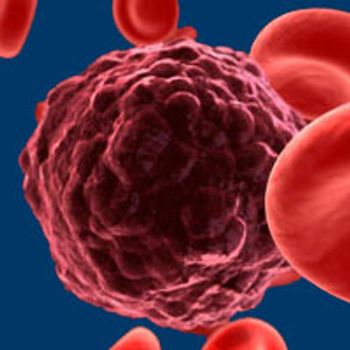
The FDA has granted a priority review to a biologics license application for mogamulizumab for the treatment of patients with cutaneous T-cell lymphoma who have received at least 1 prior systemic therapy.
The FDA has granted a priority review to a biologics license application for mogamulizumab for the treatment of patients with cutaneous T-cell lymphoma who have received at least 1 prior systemic therapy.

Avelumab did not improve overall survival compared with chemotherapy in previously treated patients with gastric or gastroesophageal junction adenocarcinoma, according to findings from the phase III JAVELIN Gastric 300 trial.

A sNDA has been submitted to Japan’s Pharmaceuticals and Medical Devices Agency for the use of osimertinib (Tagrisso) as a frontline treatment for patients with inoperable or recurrent EGFR-positive NSCLC.
A supplemental biologics license application has been submitted to the FDA for daratumumab for use in combination with bortezomib, melphalan and prednisone for the treatment of patients with newly diagnosed multiple myeloma who are ineligible for autologous stem cell transplantation.

The European Commission has approved nilotinib (Tasigna) for the treatment of pediatric patients with Ph+ chronic myeloid leukemia in the chronic phase.
New results again demonstrated the benefit of frontline osimertinib in patients with EGFR-positive advanced non-small cell lung cancer and CNS metastases at baseline.

The addition of incomplete metastasectomy to systemic therapy improved median overall survival by 3 months in patients with metastatic renal cell carcinoma.
The FDA has approved sunitinib (Sutent) for use as an adjuvant therapy in patients with renal cell carcinoma who have received nephrectomy and are high risk for recurrence.
The FDA has approved obinutuzumab (Gazyva) in combination with chemotherapy, followed by obinutuzumab alone, for the first-line treatment of patients with advanced follicular lymphoma.

The European Medicines Agency's Committee for Medicinal Products for Human Use has recommended approval of the bevacizumab biosimilar ABP 215 for the treatment of patients across several tumor types.
The FDA has approved brentuximab vedotin (Adcetris) as a treatment for patients with cutaneous T-cell lymphoma who have received prior systemic therapy.

The tumor-site agnostic FDA approval of the PD-1 inhibitor pembrolizumab (Keytruda) for patients with microsatellite instability-high or mismatch repair deficient solid tumors has helped propel endometrial cancer into the immunotherapy age.

The next frontier in advancing the field of chronic lymphocytic leukemia (CLL) is identifying patients who will not experience long-term progression-free survival on novel agents.
The FDA has approved alectinib (Alecensa) for the frontline treatment of patients with ALK-positive metastatic non-small cell lung cancer.

The FDA has approved intravenous rolapitant for use in combination with other antiemetic agents to treat delayed chemotherapy-induced nausea and vomiting in adults.

The combination of adjuvant nivolumab and ipilimumab led to a 3-year relapse-free survival rate of 71% in patients with high-risk resected stage IIIC/IV melanoma.

Lorlatinib induced an objective response rate of 90% in treatment-naïve patients with ALK-positive non–small cell lung cancer.
There was a high concordance between central tissue and plasma circulating tumor DNA testing for EGFR mutations in patients enrolled in the phase III FLAURA study of frontline osimertinib (Tagrisso) in NSCLC.
The FDA has granted a priority review to a supplemental new drug application for cabozantinib (Cabometyx) for previously untreated patients with advanced renal cell carcinoma.

The FDA has granted a priority review to a new drug application for abemaciclib for use in combination with an aromatase inhibitor for the frontline treatment of women with hormone receptor-positive, HER2-negative advanced or metastatic breast cancer.

A supplemental new drug application has been submitted to the FDA for rucaparib as maintenance treatment for patients with recurrent epithelial ovarian, fallopian tube, or primary peritoneal cancer who are in a complete or partial response to platinum-based chemotherapy.
The FDA has approved a supplemental new drug application for the use of 180-mg tablets of brigatinib for the treatment of patients with non–small cell lung cancer.

The FDA has granted a priority review to a supplemental biologics license application for pertuzumab (Perjeta) for use in combination with trastuzumab (Herceptin) and chemotherapy for the adjuvant treatment of patients with HER2-positive early breast cancer.
The FDA approved abemaciclib (Verzenio) for use in combination with fulvestrant in women with HR+/HER2- advanced breast cancer with disease progression following endocrine therapy. The CDK4/6 inhibitor has also been approved as a monotherapy for patients with HR+/HER2- breast cancer with metastatic disease who have previously received endocrine therapy and chemotherapy.
The FDA has approved pembrolizumab for the treatment of patients with PD-L1–positive recurrent or advanced gastric or gastroesophageal junction adenocarcinoma who have received 2 or more lines of chemotherapy, including fluoropyrimidine- and platinum-containing chemotherapy, and, if appropriate, HER2/neu-targeted therapy.

The European Commission has approved avelumab (Bavencio) for the treatment of patients with metastatic Merkel cell carcinoma.
The FDA’s Oncologic Drugs Advisory Committee voted 6-6 on the potential approval of sunitinib for use as an adjuvant therapy in patients with renal cell carcinoma who have received nephrectomy and are at high risk of recurrence.
The combination of venetoclax and rituximab significantly improved progression-free survival compared with rituximab plus bendamustine in patients with relapsed or refractory chronic lymphocytic leukemia (CLL),

Adding enzalutamide to androgen deprivation therapy (ADT) significantly improved metastasis-free survival versus ADT alone in patients with nonmetastatic castration-resistant prostate cancer, according to findings from the phase III PROSPER trial.
The FDA has granted an accelerated approval to copanlisib (Aliqopa) as a treatment for patients with relapsed follicular lymphoma who have received at least 2 least prior systemic therapies.