

The FDA has granted a priority review designation to sunitinib (Sutent) for use as an adjuvant therapy in patients with renal cell carcinoma who have received nephrectomy and are high risk for recurrence.
The FDA has granted a priority review designation to sunitinib (Sutent) for use as an adjuvant therapy in patients with renal cell carcinoma who have received nephrectomy and are high risk for recurrence.

The FDA has approved ceritinib (Zykadia) for the treatment of patients with ALK-positive, metastatic non–small cell lung cancer.
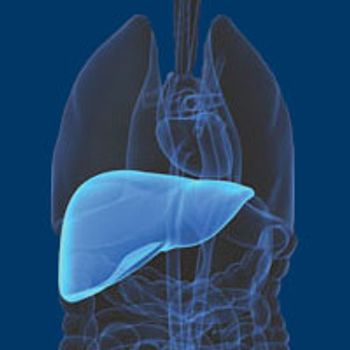
The FDA has granted a priority review designation to nivolumab (Opdivo) for use as a treatment for patients with hepatocellular carcinoma following prior sorafenib (Nexavar).
The FDA’s Oncologic Drugs Advisory Committee voted 12-4 recommending approval of neratinib (Nerlynx) for the extended adjuvant treatment of patients with early stage, HER2-positive breast cancer following postoperative trastuzumab.

The FDA has granted an accelerated approval to pembrolizumab (Keytruda) for the treatment of patients with unresectable or metastatic, microsatellite instability-high (MSI-H) or mismatch repair deficient (dMMR) solid tumors that have progressed after prior treatment and who have no satisfactory alternative treatment options, as well as for patients with MSI-H or dMMR colorectal cancer following progression on a fluoropyrimidine, oxaliplatin, and irinotecan.

The EMA’s Committee for Medicinal Products for Human Use has recommended approval of ceritinib (Zykadia) for the treatment of patients with ALK-positive, metastatic non–small cell lung cancer, according to Novartis, the manufacturer of the second-generation ALK inhibitor.
The FDA has granted pembrolizumab approvals in the frontline and second-line settings for urothelial carcinoma.

Adjuvant gefitinib reduced the risk of disease recurrence by 40% versus standard chemotherapy in patients with EGFR-positive non­–small cell lung cancer, study reports.
The FDA has granted a priority review designation to copanlisib as a treatment for patients with relapsed/refractory follicular lymphoma who have received at 2 least prior therapies, according to Bayer, the manufacturer of the PI3K dual-isoform inhibitor.

Durvalumab (Imfinzi) significantly improved progression-free survival when used as a sequential treatment in patients with locally-advanced, unresectable non-small cell lung cancer who had not progressed following standard care with platinum-based chemotherapy and radiotherapy.

According to findings from part 2 of the phase III COLUMBUS trial, the combination of the BRAF inhibitor encorafenib and the MEK inhibitor binimetinib reduced the risk of disease progression or death by 23% compared with single-agent encorafenib for patients with BRAF-mutant melanoma.
The FDA has granted an accelerated approval to pembrolizumab for use in combination with pemetrexed plus carboplatin as a frontline treatment for patients with metastatic or advanced nonsquamous non–small cell lung cancer, regardless of PD-L1 expression.

Atezolizumab missed the phase III IMvigor211 trial’s primary endpoint of improving overall survival in the second-line setting for patients with locally advanced or metastatic urothelial carcinoma.
The FDA has granted an accelerated approval to the PD-L1 inhibitor avelumab (Bavencio) for the treatment of patients with locally advanced or metastatic urothelial carcinoma with disease progression during or following platinum-containing chemotherapy, or within 12 months of neoadjuvant or adjuvant platinum-containing chemotherapy.

The European Commission has approved pembrolizumab for the treatment of adult patients with relapsed or refractory classical Hodgkin lymphoma who have progressed following autologous stem cell transplant and brentuximab vedotin, or who are transplant-ineligible and have failed brentuximab vedotin.
The FDA has granted an accelerated approval to the PD-L1 inhibitor durvalumab (Imfinzi) for the treatment of patients with locally advanced or metastatic urothelial carcinoma who have disease progression during or following platinum-containing chemotherapy or who have disease progression within 12 months of neoadjuvant or adjuvant treatment with platinum-containing chemotherapy.

The European Commission has approved daratumumab for use in combination with lenalidomide and dexamethasone or bortezomib and dexamethasone for the treatment of patients with multiple myeloma following at least 1 prior therapy.
The FDA has granted brigatinib (Alunbrig) an accelerated approval as a treatment for patients with metastatic ALK-positive non–small cell lung cancer who are resistant to prior crizotinib.
The FDA has approved midostaurin (Rydapt) for the treatment of adult patients with newly diagnosed FLT3-positive acute myeloid leukemia in combination with standard cytarabine and daunorubicin induction and cytarabine consolidation. The drug has also been approved for the treatment of patients with advanced systemic mastocytosis (SM), including aggressive systemic mastocytosis, SM with associated hematological neoplasm, and mast cell leukemia.
The FDA has approved regorafenib (Stivarga) as a second-line treatment for patients with hepatocellular carcinoma (HCC) who have previously received sorafenib (Nexavar).

Adding abemaciclib to letrozole or anastrozole improved progression-free survival compared with either aromatase inhibitor alone in women with HR+/HER2-negative breast cancer enrolled in the phase III MONARCH 3 study, according to Eli Lilly and Company, the manufacturer of the CDK4/6 inhibitor.

Veliparib failed to meet the primary endpoint in phase III non-small cell lung cancer and triple-negative breast cancer trials.

The FDA has granted a breakthrough therapy designation to tisagenlecleucel-T (CTL019) for use as a treatment for adult patients with relapsed/refractory diffuse large B-cell lymphoma after the failure of at least 2 prior therapies.
The FDA has granted an accelerated approval to atezolizumab as a frontline treatment for cisplatin-ineligible patients with locally advanced or metastatic urothelial carcinoma.
The FDA has scheduled an Oncologic Drugs Advisory Committee hearing for May 24, 2017, to discuss a new drug application for neratinib as a treatment for patients with HER2-positive breast cancer following prior treatment with postoperative trastuzumab, according to a statement from the developer of the TKI, Puma Biotechnology.

Alectinib reduced the risk of disease progression or death compared with crizotinib as a frontline treatment for patients with ALK-positive non–small cell lung cancer, according to findings from the phase III ALEX trial.

A supplemental biologics license application has been submitted to the FDA for the use of denosumab for the prevention of skeletal-related events in patients with multiple myeloma.

Adding the IDO inhibitor indoximod to pembrolizumab led to an overall response rate of 52% in patients with advanced melanoma, according to findings from a phase II trial reported at the 2017 AACR Annual Meeting.
In findings from the phase III ALUR trial, alectinib significantly improved progression-free survival compared with chemotherapy in patients with ALK-positive non-small cell lung cancer who had progressed following treatment with platinum-based chemotherapy and crizotinib (Xalkori).
Treatment with the PD-L1 inhibitor avelumab induced an objective response rate of 33% in patients with advanced Merkel cell carcinoma in the phase II JAVELIN Merkel 200 study, including 2 additional complete responses since the primary analysis.