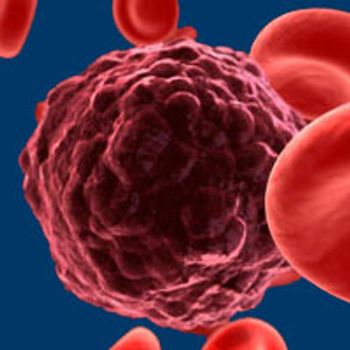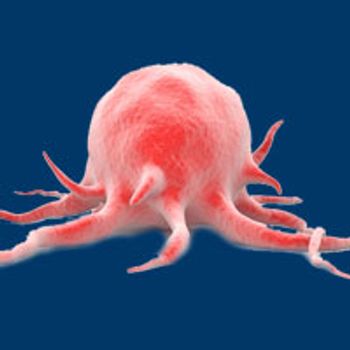
The first-in-class nucleotide analogue NUC-1031 has demonstrated early clinical activity in heavily pretreated patients with platinum-resistant ovarian cancer.

Associate Editorial Director, OncLive®
Kristi Rosa joined MJH Life Sciences in 2016 and has since held several positions within the company. She helped launch the rapidly growing infectious disease news resource Contagion, strengthened the Rare Disease Report, of HCPLive, and now oversees OncLive and its flagship publication OncologyLive. Prior to working at the company, she served as lead copywriter and marketing coordinator at The Strand Theater. Email: [email protected]

The first-in-class nucleotide analogue NUC-1031 has demonstrated early clinical activity in heavily pretreated patients with platinum-resistant ovarian cancer.

As coronavirus disease 2019 (COVID-19) continues to spread around the world, several oncology-based organizations are taking precautionary measures to protect physicians and patients alike from infection, including making the decision to postpone, or even cancel, select medical conferences.

Despite advances made in the treatment of patients with diffuse large B-cell lymphoma, investigators are on a quest to move more novel agents through the pipeline, says Craig Moskowitz, MD, in a presentation during the 24th Annual International Congress on Hematologic Malignancies®: Focus on Leukemias, Lymphomas, and Myeloma.

Experts from Memorial Sloan Kettering Cancer Center and NYU Langone Health’s Perlmutter Cancer Center highlight some of the exciting research efforts being conducted at their respective institutions.

The United Kingdom’s National Institute for Health and Care Excellence has chosen not to recommend polatuzumab vedotin plus rituximab and bendamustine for use in adult patients with relapsed/refractory diffuse large B-cell lymphoma who cannot undergo hematopoietic stem cell transplant.

Experts from Virginia Cancer Specialists, Georgetown University, Dana-Farber Cancer Institute, and Johns Hopkins Medicine to provide insight on some of the pivotal research being conducted at their respective institutions.

R. Lor Randall, MD, FACS, highlights the specific challenges faced by adolescent and young adult patients with sarcomas, the importance of promoting awareness of this issue, and the resources available to improve outcomes in this population.

Neeraj Agarwal, MD, discusses the COSMIC-021 trial and shares the next steps for this research.

Karen Reckamp, MD, MS, highlights the different agents that have been developed to target rarer abnormalities in non–small cell lung cancer.

Yelena Janjigian, MD, highlights key updates from the 2020 Gastrointestinal Cancers Symposium and explained the impact that new data will have on clinical practice.

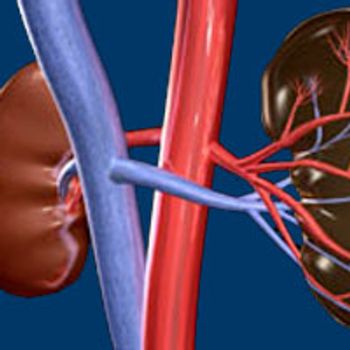
The United Kingdom’s National Institute for Health and Care Excellence has chosen to not recommend the combination of pembrolizumab and axitinib for use in treatment-naïve adult patients with advanced renal cell carcinoma.

Faculty from NewYork-Presbyterian Hospital/Columbia University Irving Medical Center share their resolutions for the new year and the efforts being made to improve patient outcomes in practice.

Peter Voorhees, MD, provides an overview of the many developments made with CAR T-cell therapy in multiple myeloma, as well as the exciting research being done with bispecific antibodies

Following significant progress made in the development of novel systemic therapies for patients with cancer, the role of surgery in oncology continues to evolve. To this end, ASCO has selected the refinement of surgical treatment of cancer as its Advance of the Year.

Kevin Kalinsky, MD, MS, highlights recent developments in triple-negative breast cancer, including the potential role of immunotherapy in the neoadjuvant setting.

The FDA has scheduled an Oncologic Drugs Advisory Committee hearing for February 26, 2020, to discuss data supporting a supplemental biologics license application for intravenous ramucirumab injection for use in combination with erlotinib in the frontline treatment of patients with metastatic non–small cell lung cancer whose tumors harbor EGFR Ex19del or Ex21 substitution mutations.

The Centers for Medicare & Medicaid Services has expanded coverage of laboratory diagnostic tests that utilize next-generation sequencing that have been approved or cleared by the FDA for use in patients with germline ovarian or breast cancers.

Rebecca L. Olin, MD, MSCE, sheds light on the pivotal progress made in acute myeloid leukemia treatment in recent years.

Three biosimilars—bevacizumab-bvzr (Zirabev), rituximab-pvvr (Ruxience), and trastuzumab-qyyp)—will become available in the United States at a substantial discount to their reference products.

The National Institute for Health and Care Excellence does not recommend larotrectinib for the treatment of advanced NTRK fusion–positive solid tumors in adults and children without satisfactory treatment options.

Anna C. Pavlick, DO, discusses key trials that have shed light on how to best treat patients with newly diagnosed, metastatic melanoma.

The United Kingdom’s National Institute for Health and Care Excellence has issued guidelines recommending against pembrolizumab for use in treatment-naïve patients with metastatic or unresectable recurrent head and neck squamous cell carcinoma whose tumors express PD-L1 with a combined positive score of ≥1.

The National Institute for Health and Care Excellence has recommended the use of olaparib as a maintenance treatment in adults with relapsed, platinum-sensitive, high-grade epithelial ovarian, fallopian tube, or primary peritoneal cancer.

Experts from The Ohio State University Comprehensive Cancer Center–James highlighted exciting research being conducted at their institution.

Pablo Ferraro, MD, discusses some of the latest developments in pancreatic cancer treatment and the potential role of emerging modalities under exploration.

Faculty from a 2019 OncLive® State of the Science Summit™ on Gastrointestinal Malignancies highlight the exciting research being conducted at their respective institutions.

Internationally renowned medical oncologist Thomas J. Lynch Jr, MD, has been named the new president and director of the Fred Hutchinson Cancer Research Center.

Jean L. Koff, MD, MS, highlights exciting advances made in follicular lymphoma and the promise of CAR T-cell therapies in other lymphoma subtypes.

Ajay K. Nooka, MD, MPH, FACP, discusses the shift in induction regimens in multiple myeloma and the impact of daratumumab (Darzalex) on the space.

Faculty from Memorial Sloan Kettering Cancer Center shed light on some of the intriguing research in hematologic cancer being conducted at their institution.