Articles by Kristie L. Kahl

Utilization of a financial navigation program is feasible for reducing cost burden and improving quality of life in patients with multiple myeloma who are more likely to experience financial toxicity and have difficulty accessing appropriate resources and support services.

The combination comprised of zanubrutinib, obinutuzumab, and venetoclax elicited high response rates and 2-year progression-free survival rates that compared favorably with historical outcomes achieved with chemoimmunotherapy in high-risk patients with previously untreated mantle cell lymphoma harboring TP53 mutations.

Acalabrutinib, as monotherapy or in combination with obinutuzumab, continued to improve progression-free survival vs obinutuzumab and chemotherapy in patients with treatment-naive chronic lymphocytic leukemia, regardless of genomic marker status.

Odronextamab produced durable responses and a generally manageable safety profile in patients with relapsed/refractory diffuse large B-cell lymphoma.

Zanubrutinib continued to demonstrate improved progression-free survival benefit over ibrutinib in the treatment of patients with relapsed/refractory chronic lymphocytic leukemia and small lymphocytic lymphoma, according to extended follow-up data from the phase 3 ALPINE trial.

The T-cell redirecting bispecific antibody teclistamab-cqyv demonstrated efficacy and a tolerable safety profile in a real-world population of patients with relapsed/refractory multiple myeloma consistent with that of those enrolled in the phase 2 MajesTEC-1 trial.

Further understanding of the cancer immunity cycle could drive the development of novel immune therapies for patients with renal cell carcinoma.

Datopotamab deruxtecan elicited a statistically significant and clinically meaningful improvement in progression-free survival vs chemotherapy for patients with hormone receptor-positive, HER2-low or -negative, metastatic breast cancer.

Concurrent frontline nivolumab and gemcitabine-cisplatin followed by nivolumab maintenance therapy elicited OS and PFS benefits vs gemcitabine-cisplatin alone in patients with previously untreated, metastatic or unresectable urothelial carcinoma.

Pembrolizumab plus enzalutamide provided no radiographic progression-free survival or overall survival improvements vs enzalutamide alone in patients with metastatic castration-resistant prostate cancer.

The addition of durvalumab to first-line chemotherapy, followed by maintenance treatment with durvalumab plus olaparib significantly improved progression-free survival in patients with newly diagnosed advanced or recurrent endometrial cancer, according to data from the phase 3 DUO-E/GOG-3041/ENGOT-EN10 trial.

Neoadjuvant treatment with nivolumab plus chemotherapy followed by surgery and adjuvant nivolumab resulted in a statistically significant improvement in event-free survival vs placebo plus chemotherapy, in patients with previously untreated resectable stage II to IIIB non-small cell lung cancer, according to data from the phase 3 CheckMate 77T trial.

Atezolizumab plus standard-of-care platinum-based chemotherapy, followed by maintenance therapy with atezolizumab monotherapy, improved progression-free survival vs chemotherapy plus placebo, followed by placebo maintenance therapy, in the frontline treatment of patients with advanced or recurrent endometrial carcinoma particularly in those with mismatch repair–deficient disease.

Treatment with neoadjuvant pembrolizumab in combination with platinum-containing chemotherapy and followed by adjuvant pembrolizumab improved event-free survival compared with neoadjuvant chemotherapy alone in patients with high-risk triple-negative breast cancer.

Adjuvant treatment with the combination of abemaciclib and endocrine therapy (ET) maintained a benefit in invasive disease-free survival and distant relapse–free survival compared with ET alone in patients with hormone receptor-positive, HER2-negative, node-positive, high-risk early breast cancer.

Treatment with repotrectinib in patients with ROS1-positive non–small cell lung cancer, specifically those who were tyrosine kinase inhibitor-naïve or -pretreated, continued to demonstrate durable clinical activity, as well as durable intracranial responses.
Ziftomenib demonstrated clinical activity and a tolerable safety profile in heavily pretreated patients with relapsed/refractory NPM1-mutant acute myeloid leukemia.
Daratumumab maintenance therapy with or without pomalidomide provided a tolerable and feasible treatment option after salvage hematopoietic stem cell transplantation in patients with relapsed multiple myeloma.
The addition of tumor treating fields to standard-of-care immunotherapy or chemotherapy regimens elicited an improvement in overall survival vs SOC therapies alone in patients with metastatic non-small cell lung cancer following progression on or after platinum-based chemotherapy, according to data from the phase 3 LUNAR trial.

The use of maintenance niraparib enhanced antitumor activity and led to a clinically meaningful increase in progression-free survival vs placebo for patients with newly diagnosed advanced ovarian cancer who displayed measurable residual disease after first-line platinum-based chemotherapy, according to findings from a post hoc subgroup analysis of the phase 3 PRIME study.
Second-line maintenance therapy with niraparib improved overall survival vs active surveillance in patients with recurrent BRCA wild-type ovarian cancer.

Darolutamide was well tolerated and generated clinically meaningful activity across secondary end points in the treatment of patients with androgen receptor–positive salivary gland cancer.
The implementation of health systems strengthening models appeared to be effective in reducing disparities in leukemia survival among patients in low- and middle-income countries.

Findings from the phase 3 ZIRCON trial showed that imaging with 89Zr-DFO-girentuximab could improve the identification and risk stratification of patients with renal tumors.

Nivolumab following radical surgery continued to display a benefit in disease-free survival in patients with muscle-invasive urothelial carcinoma and muscle-invasive bladder cancer.

Specific comorbidities were linked with complications following partial nephrectomy, compared with radical nephrectomy, in patients with T1b to T2 renal cell carcinoma.
A post-hoc analysis of the phase 3 ARASENS trial demonstrated that the addition of darolutamide to androgen deprivation therapy and docetaxel produced deep and durable prostate-specific antigen responses in patients with metastatic hormone-sensitive prostate cancer.

First-line avelumab maintenance therapy prolonged survival in patients with advanced urothelial carcinoma, regardless of response to first-line chemotherapy, according to findings from an exploratory subgroup analysis of the phase 3 JAVELIN Bladder 100 trial.
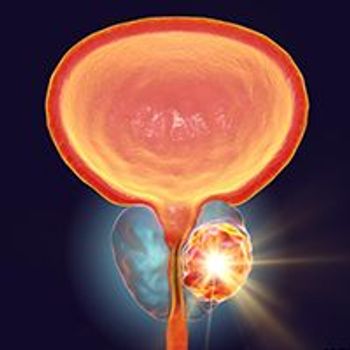
Reduced doses of apalutamide did not significantly decrease rates of skin-related adverse effects vs full-dose apalutamide in patients with advanced prostate cancer.

With the advent of effective drug regimens to treat HER2-positive breast cancer, the use of tailored efforts with neoadjuvant therapy in this space may continue to improve efficacy moving forward.
