

The NuTide:323 trial of NUC-3373 plus leucovorin, irinotecan, and bevacizumab in second-line colorectal cancer has been discontinued.

Kyle Doherty joined MJH Life Sciences in 2021 and is the lead editor for Oncology Fellows. He also produces print content for OncologyLive, as well as news and conference updates for OncLive.com. Email: [email protected]
The NuTide:323 trial of NUC-3373 plus leucovorin, irinotecan, and bevacizumab in second-line colorectal cancer has been discontinued.

The phase 3 KEYNOTE-867 and KEYNOTE-630 trials evaluating pembrolizumab in NSCLC and CSCC, respectively, have been discontinued by Merck.
Investigators are developing preventive interventions to identify patients most at risk for financial toxicity and offer them assistance.

Acalabrutinib-containing regimens demonstrated long-term efficacy with a tolerable safety profile in higher-risk chronic lymphocytic leukemia.

Pirtobrutinib was safe and demonstrated activity in patients with Richter transformation, according to a subgroup analysis of the BRUIN trial.

ASCO has released a research statement outlining 4 recommendations to decentralize clinical trials and improve patient access to these studies.

Trastuzumab deruxtecan earned conditional approval in China for HER2-positive gastric/gastroesophageal junction cancer after at least 2 lines of therapy.

Clinicians specializing in caring for patients with lung cancer discussed clinical trial updates on agents in stage III NSCLC.

Wearable-captured physiological metrics and electronic patient reported outcomes were practical and generated knowledge in Waldenström macroglobulinemia.

Experts provide insights on the first-in-human phase 1 ReDiscovertrial trial, evaluating the mutant-selective PI3Kα inhibitor RLY-2608, which is currently enrolling patients.

Orelabrutinib in combination with lenalidomide and rituximab was safe and active in treatment-naive mantle cell lymphoma.

The Guardant Reveal test was accurate in predicting disease recurrence in stage II or higher colorectal cancer.

Bite-on-bite biopsies and endoscopic ultrasonography with fine needle aspiration were accurate in detecting MRD after neoadjuvant chemoradiotherapy in ESCC.

The combination of ibrutinib, lenalidomide, and rituximab elicited a high response rate in patients with relapsed/refractory mantle cell lymphoma.

East Asian patients with RET fusion-positive NSCLC experienced a PFS benefit when treated with selpercatinib vs chemotherapy with/without pembrolizumab.
The FDA has granted de novo marketing authorization to the PGDx elio plasma focus Dx pan–solid tumor liquid biopsy test.
Alemtuzumab was FDA granted orphan drug designation as part of lymphodepletion prior to UCART22 in relapsed/refractory B-cell acute lymphoblastic leukemia.
Minimal residual disease status was associated with progression-free survival in chronic lymphocytic leukemia in the first-line treatment setting and with time-limited therapy.

The National Comprehensive Cancer Network has issued category 1 and 2A recommendations for imetelstat as therapy for symptomatic anemia in patients with lower-risk MDS.

The addition of BNT111 to cemiplimab has produced clinical activity in anti-PD-(L)1 relapsed/refractory unresectable stage III or IV melanoma.

The Shield blood test has been approved by the FDA for CRC screening in adults aged 45 years and older who are at average risk for the disease.

The CHMP has recommended pembrolizumab plus enfortumab vedotin-ejfv in frontline unresectable or metastatic urothelial carcinoma.

Donor fecal microbiota transplants increased the activity of immunotherapy in patients with GI cancers.

Blinatumomab added to consolidation chemotherapy led to a significant OS benefit in MRD-negative B-cell precursor acute lymphoblastic leukemia.
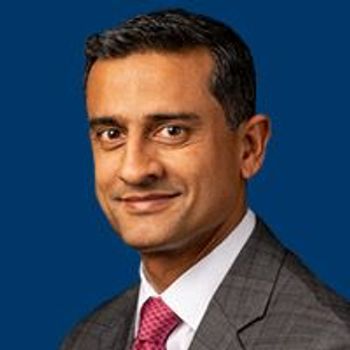
Shubham Pant, MD, MBBS, discusses findings from the phase 2b HERIZON-BTC-01 study of zanidatamab in pretreated HER2-positive biliary tract cancer.

The FDA has accepted the new drug application for the new TLX007-CDx cold kit for the preparation of PSMA-PET imaging in patients with prostate cancer.
The incidence of ICANS and CRS post-CAR T-cell therapy decreased after 2 weeks in patients with DLBCL, supporting a reduction of the monitoring period.

An EHR-based prompt or “nudge” decreased the rates of sentinel lymph node biopsy among older patients with early-stage breast cancer.
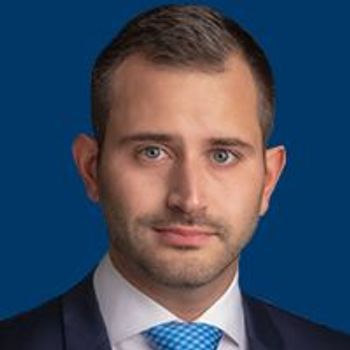
Paolo Tarantino MD, and V. K. Gadi, MD, PhD discuss data from DESTINY-Breast03 and DESTINY-Breast06.

V. Craig Jordan, PhD, of The University of Texas MD Anderson Cancer Center and a pioneer in the field of breast cancer, died on June 9, 2024.