

Lenvatinib/pembrolizumab offered a significant benefit in terms of time to disease progression in all organs vs sunitinib in advanced RCC.

Kyle Doherty joined MJH Life Sciences in 2021 and is the lead editor for Oncology Fellows. He also produces print content for OncologyLive, as well as news and conference updates for OncLive.com. Email: [email protected]
Lenvatinib/pembrolizumab offered a significant benefit in terms of time to disease progression in all organs vs sunitinib in advanced RCC.

Perioperative chemotherapy with FLOT improved OS vs neoadjuvant chemoradiation with CROSS in resectable esophageal cancer.
Treatment with asciminib led to a superior 48-week major molecular response rate vs investigator-selected TKIs in patients with Ph-positive chronic phase chronic myeloid leukemia.

Pitavastatin, an FDA-approved statin, may inhibit pathways that contribute to IL-33 production, which has been shown to contribute to cancer development.

AGuIX has been granted FDA fast track designation in malignant gliomas and glioblastoma.

Treatment with nivolumab plus cabozantinib yielded responses in patients with non-clear cell renal cell carcinoma.
David L. Porter, MD, discusses CAR T-cell therapy in chronic lymphocytic leukemia and looks towards improvements and unmet needs that remain.

Ribociclib plus endocrine therapy bested combination chemotherapy in terms of progression-free survival in HR-positive, HER2-negative advanced breast cancer.

An artificial intelligence-based smartphone app used by primary care physicians showed high diagnostic accuracy in detecting cutaneous melanoma.
Joyce F. Liu, MD, MPH, provides insights on WEE1 which has emerged as a potentially targetable pathway in high-grade serous ovarian cancer.

Guardant360 CDx received In Vitro Diagnostic Regulation certification for tumor mutation profiling in solid tumors and for companion diagnostic indications in NSCLC and breast cancer.

Carrie L. Kitko, MD, discusses the current standing of cellular therapies in adult and pediatric ALL and looks toward future developments.
Haeseong Park, MD, MPH, discusses findings from a phase 1 study of epacadostat with preoperative chemoradiation in locally advanced rectal cancer.

Jameel Muzaffar, MD, discusses findings from the phase 2 portion of the FLX475-02 study examining tivumecirnon plus pembrolizumab in HNSCC.

Sattva S. Neelapu, MD, discusses the optimal processes of CAR T-cell therapy administration and the remaining unmet needs in the space.
Sattva S. Neelapu, MD, discusses the current standing of CAR T-cell therapies in the treatment paradigm in lymphoma.
To combat the rising costs of cancer care, clinicians are partnering with managed service organizations to handle the business aspects of practice.

Bruna Pellini, MD, highlights the multiple immunotherapies currently available for patients with NSCLC in the perioperative setting and elucidates ctDNA’s role in the treatment paradigm.

During an OncLive Peer Exchange, a panel of expert clinicians in CRC discussed studies seeking to further define the role of MRD testing in CRC.
No significant difference in time to treatment was found between White and Black patients with bladder cancer, but there remained a difference in treatment outcomes.

Darolutamide uptake in metastatic hormone-sensitive prostate cancer has become routine both in doublet and triplet regimens in community urology practices.

TAR-210 was safe and showed promising clinical activity in patients with FGFR-altered high- and intermediate-risk non–muscle-invasive bladder cancer.

UGN-102 with/without TURBT displayed meaningful and similar DFS and DOR rates in newly diagnosed and recurrent low-grade intermediate-risk NMIBC.

Enzalutamide alone and with leuprolide led to greater rates of undetectable PSA levels vs leuprolide alone in castration-sensitive prostate cancer.

TAR-200 displayed a high complete response rate in Bacillus Calmette–Guérin-unresponsive high-risk non–muscle-invasive bladder cancer.
Acalabrutinib plus bendamustine and rituximab (BR) led to a statistically significant improvement in PFS vs BR for treatment-naive mantle cell lymphoma.
A multipeptide vaccine combination approach with 12MP plus 6MHP vs 12MP plus tet extended overall survival in patients with stage IIB to IV melanoma.
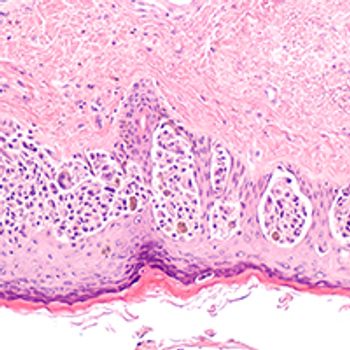
Immunogenomic information displays predictive capability in terms of immunotherapy resistance in metastatic uveal melanoma.

Tumor intrinsic subtype impacted the association between pCR and EFS after chemotherapy and ERBB2/HER2 blockade in ERBB2/HER2-positive early breast cancer.

ASCO has announced a guideline update for systemic therapy in advanced hepatocellular carcinoma.