
Kassem Faraj, MD, details the 340B Drug Pricing program and data from a study examining participation in the program for patients with advanced prostate cancer.

Kyle Doherty joined MJH Life Sciences in 2021 and is the lead editor for Oncology Fellows. He also produces print content for OncologyLive, as well as news and conference updates for OncLive.com. Email: [email protected]
Kassem Faraj, MD, details the 340B Drug Pricing program and data from a study examining participation in the program for patients with advanced prostate cancer.

The type II variation application for frontline nivolumab plus ipilimumab in unresectable/advanced hepatocellular carcinoma was validated by the EMA.

Rezatapopt has displayed early signals of efficacy and tolerability in p53 Y220C-mutated solid tumors.
The BLA for tabelecleucel has been granted priority review for the treatment of patients with Epstein-Barr virus–positive post-transplant lymphoproliferative disease.

The National Comprehensive Cancer Network has published their updated Clinical Practice Guidelines in Oncology for kidney cancer.

As the lung cancer paradigm continues to advance, increasingly effective therapies are under development for previously underserved disease subtypes.
Tycel Phillips, MD, highlights key takeaways in NHL, MDS, and myelofibrosis from an OncLive State of the Science Summit on hematology.
Panelists from an OncLive Peer Exchange detail updated data in the hormone receptor–positive HER2– breast cancer treatment landscape.
Chih-Yi Liao, MD, discusses treatment considerations for patients with hepatocellular carcinoma and emphasizes the need for a multidisciplinary approach.
Pooja Murthy, MD, discusses second-line treatments in ER+/HER2– metastatic breast cancer for patients following progression on endocrine therapy plus a CDK4/6 inhibitor.
Chih-Yi Liao, MD, discusses the treatment landscape of advanced biliary tract cancer and outlines therapy selection factors.

The American Society for Radiation Oncology has released a guideline to characterize the place of radiation therapy in HPV-associated oropharyngeal squamous cell carcinoma.
Celecoxib plus adjuvant chemotherapy led to extended DFS and OS vs placebo plus adjuvant chemotherapy in PIK3CA-mutated stage III colon cancer.

The bifunctional antibody ficerafusp alfa plus pembrolizumab generated clinically meaningful activity in HPV–recurrent/metastatic HNSCC.

Linvoseltamab demonstrated durable efficacy with a manageable safety profile in patients with relapsed/refractory multiple myeloma.

A panel of expert clinicians discuss the treatment landscape of HER2-mutant non–small cell lung cancer, highlighting the current roles of ADCs and TKIs, and unmet needs that remain in the space.

Edward B. Garon, MD, MS, takes stock of the non–small cell lung cancer field in light of recent updates from clinical trials.

Komal Jhaveri, MD, FACP, highlights the novel PI3Kα inhibitor RLY-2608 and discusses the details of the first-in-human trial of the agent.

Toripalimab in combination with etoposide and platinum has been approved by the NMPA in China in first-line extensive-stage small cell lung cancer.

As investigators continue efforts to improve outcomes for patients with low-grade serous ovarian cancer, they are expanding investigations beyond chemotherapy.
A survey of adult patients with chronic lymphocytic leukemia demonstrated that respondents preferred therapies that increased PFS vs other attributes.
Acalabrutinib and zanubrutinib monotherapy displayed better real-world safety and efficacy in chronic lymphocytic leukemia and small lymphocytic lymphoma compared with ibrutinib.

Patients with new or worsening anemia from their myelofibrosis did not experience lessened clinical benefit of ruxolitinib treatment.
Enrollment of patients in a phase 2 study evaluating SLS009 in relapsed/refractory AML has been completed and the agent demonstrated initial efficacy.

SL-172154 has been granted orphan drug designation from the FDA in acute myeloid leukemia.
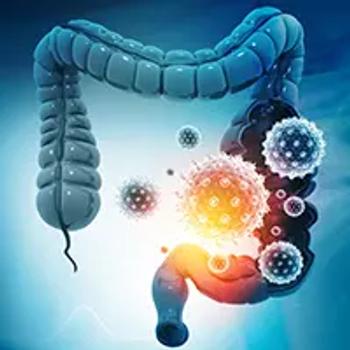
China’s National Medical Products Administration has accepted the biologics license application for zanidatamab in second-line HER2+ biliary tract cancer.
David A. Braun, MD, PhD, highlights the developing role of T-cell therapies in RCC and looks toward the horizon for other advances.
David A. Braun, MD, PhD, discusses the evolving treatment landscape of renal cell carcinoma.

The combination of RP1 and nivolumab was safe and effective in patients with anti–PD-1-failed advanced melanoma.

Partition overall survival data indicated that nivolumab plus cabozantinib extended treatment-free survival vs sunitinib in advanced renal cell carcinoma.