

Lorlatinib extended PFS and improved time to intracranial progression vs crizotinib in patients with ALK-positive non–small cell lung cancer.

Megan Hollasch joined MJH Life Sciences in 2022 following graduation from the University of Massachusetts Amherst with majors in Communication and English, and a specialization in Literature as History. She produces and edits original content for the print publication OncologyLive, aiding in all aspects of the publication process, as well as content for OncLive.com.
Lorlatinib extended PFS and improved time to intracranial progression vs crizotinib in patients with ALK-positive non–small cell lung cancer.
Jeremy Allred, MD, details current and emerging treatments for patients with myelodysplastic syndrome, highlighting recent key data updates.
Sarah ES Leary, MD, MS, details the significance of the FDA-approval of tovorafenib for patients with relapsed or refractory BRAF-positive pediatric low-grade glioma.
Katie S. Gatwood, PharmD, BCOP, explains next steps with novel agents in the hematologic oncology field that have the potential to change practice.

Vikram M. Narayan, MD, highlights takeaways from 5-year follow-up data examining the gene therapy nadofaragene firadenovec and details promising emerging therapies for bladder cancer.

Craig Eckfeldt, MD, PhD, discusses key updates in the MDS treatment paradigm and the implications of MRD testing, as well as next steps in the field of AML.
Timothy Yap, MBBS, PhD, FRCP, discusses encouraging data seen with the first-in-class PARP1 selective inhibitor saruparib in solid tumors and how the agent is being further investigated.

Rebecca Porter, MD, PhD, discusses mirvetuximab soravtansine plus pembrolizumab in serous endometrial cancer and future directions for ADCs in the space.
Mazyar Shadman, MD, MPH, details the efficacy of BTK inhibitors in the frontline treatment of CLL as well as safety considerations in the relapsed/refractory setting.

A real-world study dives into treatment sequencing data and indicates most patients with HER2-positive metastatic breast cancer discontinued second-line treatment in the US.
The AACR issues a call to action and cites progress, needed improvements, and key statistics in their Cancer Disparities Progress Report 2024.
Jorge J. Nieva, MD, details the benefits of telemedicine and a first-of-its-kind clinical trial where patients with NSCLC will receive subcutaneous immunotherapy at home.

Carol M. Mangione, MD, discusses the ramifications of the US Preventative Task Force’s April decision to update the breast cancer screening guidelines.
As investigators parse out the mechanism of action of nadofaragene firadenovec, additional gene therapies are under development in BCG-unresponsive NMIBC.
Anne Chiang, MD, PhD, discusses understanding the heterogeneity of SCLC to determine which patients will respond to targeted therapy.
Following the consensus that the risk-benefit assessments for the proposed indications for cilta-cel and ide-cel were favorable during the March 15, 2024, FDA ODAC meeting, both BCMA-targeted CAR T-cell therapies received approvals moving them up in the treatment paradigm for relapsed or refractory multiple myeloma.
Leland Metheny, MD, discusses how agents such as Iomab-B have potential to shift practice in the hematologic malignancy space.
Leland Metheny, MD, discusses ongoing clinical trials and their implications for the field of hematologic oncology.
The United States Preventive Services Task Force final breast cancer screening recommendation statement advises that women aged 40 begin biennial screening.
R. Lor Randall, MD, FACS, discusses research examining ALDH1A1 and CD44, potential markers of osteosarcoma stem cells, and how further research may be warranted with cancer stem cells.
Kenneth C. Anderson, MD, discusses the recent ODAC decisions for ide-cel and cilta-cel, highlighting clinical trial data supporting the indications.

Investigators examined 100 metastases and developed a Uveal Melanoma Immunogenomic Score to predict which patients will respond to immunotherapy.
R. Lor Randall, MD, FACS, discusses the changing field of orthopedic oncology and gives his takeaways from the American Academy of Orthopedic Surgeons Meeting.
Vikram Narayan, MD, details the mechanism of action of the nadofaragene firadenovec and how the agent is impacting care for patients with BCG-unresponsive non–muscle invasive bladder cancer.
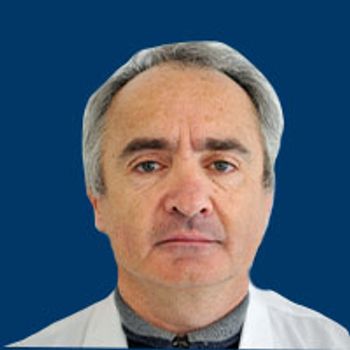
Etienne Garin, MD, PhD, details how the PROACTIF study was conducted and how Y-90 Glass Microspheres could fill an unmet need for patients with hepatocellular carcinoma.

Exploration continues for the use of immunotherapy in patients with mismatch repair–proficient endometrial cancer.

Orca-T demonstrated positive impacts on relapse-free survival and overall survival vs PTCy-based HSCT in acute leukemias and myelodysplastic syndrome.
Experts discuss when to use the PD-1 inhibitor cemiplimab vs the hedgehog inhibitor vismodegib as neoadjuvant treatment in non-melanoma skin cancers.
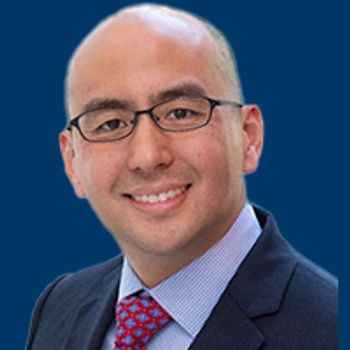
Richard T. Lee, MD, and Edward S. Kim, MD, MBA, discuss the benefits of integrative oncology and exploring integrative approaches at the Cherng Family Center for Integrative Oncology at City of Hope.
FPI-2265 showed promising activity in patients with metastatic castration-resistant prostate cancer which was similar to prior safety and efficacy data reported.