
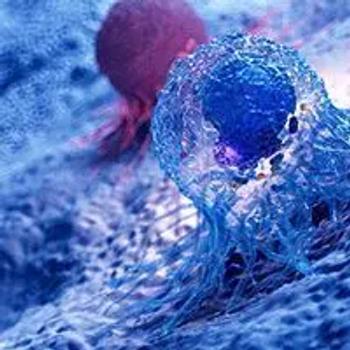
Ipilimumab plus nivolumab increased response rates vs anti–PD-1 monotherapy, but also increased grade 3 or 4 immune-related adverse effects, in melanoma.

Megan Hollasch joined MJH Life Sciences in 2022 following graduation from the University of Massachusetts Amherst with majors in Communication and English, and a specialization in Literature as History. She produces and edits original content for the print publication OncologyLive, aiding in all aspects of the publication process, as well as content for OncLive.com.
Ipilimumab plus nivolumab increased response rates vs anti–PD-1 monotherapy, but also increased grade 3 or 4 immune-related adverse effects, in melanoma.
Olaparib on a gap schedule with chemotherapy does not improve responses vs chemotherapy alone in the neoadjuvant setting for patients with BRCA wild-type TNBC.

Cadonilimab plus oxaliplatin and capecitabine leads to survival benefit in gastric/GEJ adenocarcinoma, regardless of PD-L1 expression.
Phillip J. Koo, MD, highlights future directions regarding PSMA PET imaging and key takeaways from a presentation he gave on the precision imaging tool.
Daniel Spratt, MD, discusses how evolving radiation therapy techniques in prostate cancer can reduce adverse effects and shorten treatment courses.
Phillip J. Koo, MD, discusses how PSMA PET will be used in clinical trials, the RADAR VI guidelines for using the precision imaging tool, and more.
Keeping investigators on the edge of their seats, new data from clinical trials evaluating ADCs continue to impress.

Lindsay Wilde, MD, explains when cannabis may be appropriate and how she’s seen the agent affect quality of life for her patients.

Richard T. Lee, MD, discusses integrative oncology approaches and the development of the Cherng Family Center for Integrative Oncology at City of Hope.

Brooke Worster, MD, MS, FACP, and chief medical officer at EO Care, details what oncologists should know about medical cannabis pending the expectant marijuana reclassification from a Schedule I to a Schedule III drug.
A deep dive into IL-15 targeted agents including N-803, those in the pipeline, and the fusion protein SAR445877 which Martin E. Gutierrez, MD, sheds light on.

Incorporating the Breast Cancer Index test assay into practice affected clinicians’ decision to offer endocrine therapy in HR+ early-stage disease.
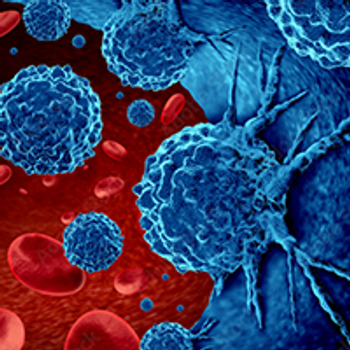
TP53 mutation and EZH2 expression negatively affect outcomes in mantle cell lymphoma, with a synergistic negative effect.
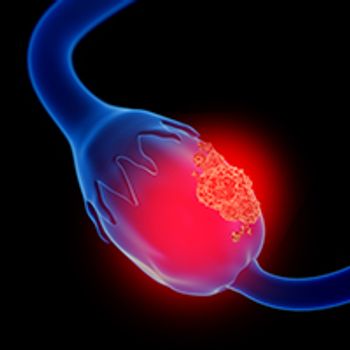
ctDNA may aid clinicians in determining whether to proceed with or discontinue PARP inhibitor maintenance therapy for patients with recurrent epithelial ovarian cancer.
Stereotactic ablative radiotherapy has shown clinical benefit in combination with immunotherapy in early-stage NSCLC, making it a viable treatment to consider.
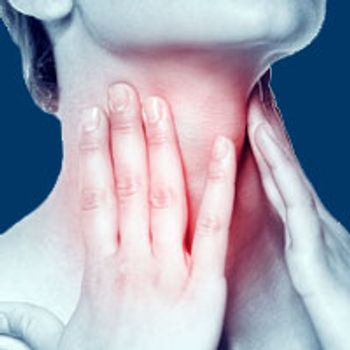
Quad Shot radiation plus a checkpoint inhibitor significantly improved local control vs Quad Shot alone and was well tolerated as a palliative treatment for patients with advanced head and neck cancer.
A post-hoc analysis showed dose escalation of radiation therapy was safe and elicited similar efficacy in intrahepatic cholangiocarcinoma.
Charles B. Simone II, MD, FASTRO, FACRO, discusses advanced radiation techniques that could reduce cardiac toxicities.
A case study of a patient with pre-B cell acute lymphoblastic leukemia showed helical tomotherapy with IMRT-based TBI is a viable option for organ sparing.
Prolonged duration from neoadjuvant SCRT to surgery did not increase the risk of poor mesorectum specimen quality or post-operative morbidity in rectal cancer.
Paul D. Brown, MD, gives a history of prophylactic cranial irradiation in small cell lung cancer and describes its standing in the treatment paradigm.
PRMT5 inhibitors with antiestrogens represents a therapeutic strategy that may overcome resistance to CDK4/6 inhibitors in ER+/RB-deficient breast cancer.
PARP inhibitors have shown promise in ovarian cancer treatment, but certain subgroups of patients have few effective options following disease progression.
Clinicians say that there are substantial unmet needs in terms of deliberately training hematology/oncology fellows for community-based careers.
The American Urological Association has released their 2024 clinical practice guideline on salvage therapy for prostate cancer.
Benjamin Philip Levy, MD, details how antibody-drug conjugates are shifting the HER2-mutated non–small cell lung cancer treatment paradigm.

The S1706 study is currently enrolling patients with inflammatory breast cancer to determine if adding a PARP inhibitor to radiation therapy is effective.
Investigating when radiation therapy can be appropriately omitted and striving to uncover disparities are areas of focus in the field of radiation oncology.
Many clinicians have reported a lack of understanding of the FDA approval process and a desire for strong premarket evidence to support these approvals.
The dopamine receptor D2 antagonist ONC201 is under evaluation in patients with H3K27M-mutated diffuse midline glioma in the phase 3 ACTION trial.