

Datopotamab deruxtecan was associated with lower rates of high-grade TRAEs vs chemotherapy in the phase 3 TROPION-Breast01 trial.
Datopotamab deruxtecan was associated with lower rates of high-grade TRAEs vs chemotherapy in the phase 3 TROPION-Breast01 trial.

High-intensity focused ultrasound produced noninferior salvage treatment-free survival vs radical prostatectomy in localized prostate cancer.

Early safety and efficacy data seen with AZD1390 in a phase 1 study indicate it's potential utility as a radiosensitizing treatment in glioblastoma.
Saruparib's favorable activity and safety may allow patients with advanced solid tumors to stay on treatment longer vs other approved PARP inhibitors.

CRX100 plus a tumor-specific oncolytic vaccinia virus generated responses and was well tolerated in patients with recurrent, platinum-resistant ovarian cancer.

Lenvatinib plus pembrolizumab did not best chemotherapy in pMMR endometrial cancer, but did offer a survival benefit in some subgroups of patients.

Racial and ethnic disparities for mortality are present in breast cancer, especially as it relates to radiation therapy toxicity and cardiac dose.

Adding lenvatinib to pembrolizumab improved ORR and PFS, but not OS, vs placebo for patients with head and neck squamous cell carcinoma.

Brexu-cel showed efficacy in eliciting both CNS and systemic responses in patients with relapsed/refractory B-cell acute lymphoblastic leukemia.

A significant progression-free survival improvement was achieved with cabozantinib plus atezolizumab vs second-line novel hormonal therapy in mCRPC.

An improvement in quality-adjusted survival benefit was observed with fruquintinib/BSC vs BSC alone in patients with mCRC enrolled in the FRESCO study.
Oral iptacopan (Fabhalta) monotherapy induced durable responses and hemolysis control in patients with paroxysmal nocturnal hemoglobinuria and persistent anemia who had previously received anti-C5 treatment.

Venetoclax-based therapy generated durable responses both overall and in the second or third line following covalent BTK inhibitor discontinuation in real-world patients with chronic lymphocytic leukemia or small lymphocytic lymphoma.

The combination of ribociclib and endocrine therapy led to an improvement in progression-free survival and overall survival vs placebo plus endocrine therapy in patients with hormone receptor-positive/HER2-negative advanced breast cancer across all age groups.

The addition of mRNA-4157 to pembrolizumab led to clinically significant improvements in relapse-free survival and distant metastasis–free survival vs pembrolizumab alone in patients with high-risk resected melanoma.

Fam-trastuzumab deruxtecan-nxki elicited higher rates of intracranial responses vs comparator therapies in patients with HER2-positive metastatic breast cancer with both stable and active brain metastases.

The addition of durvalumab to 5-fluorouracil, leucovorin, oxaliplatin, and docetaxel produced statistically significant and clinically meaningful improvements in pathological complete response rates vs placebo plus FLOT in patients with resectable gastric cancer or gastroesophageal junction cancer.

Patients with breast cancer who received hypofractionated postmastectomy radiotherapy experienced similar toxicities vs those who received conventionally fractionated postmastectomy radiotherapy, according to a presentation shared at the 2023 American Society for Radiation Oncology Annual Meeting.

Although quadruplet combination regimens featuring daratumumab demonstrated consistent efficacy in the treatment of patients with newly diagnosed multiple myeloma, certain prognostic factors were associated with early relapse, according to data from a retrospective analysis presented at the 2023 International Myeloma Society Annual Meeting.

A retrospective analysis of the Surveillance, Epidemiology, and End Results database emphasized the potential impact of specific socio-racial factors, such as race, sex, and age, on survival outcomes in patients with primary myelofibrosis.
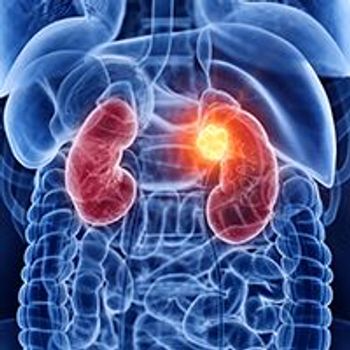
Adjuvant pembrolizumab prolonged disease-free survival and distant metastasis-free survival compared with placebo across The University of California Los Angeles Integrated Staging System–categorized subgroups of patients with clear cell renal cell carcinoma.
Lenvatinib plus pembrolizumab demonstrated improved overall response rates compared with sunitinib monotherapy in treatment-naïve patients with advanced renal cell carcinoma regardless of risk status or PD-L1 expression.

The tumor-immune evasion cell networks in clear cell renal cell carcinoma may be captured and classified using imaging mass cytometry, an orthogonal approach with the potential for increased cost-efffectiveness and accuracy compared with single-cell RNA sequencing.
Administration of a single infusion of ciltacabtagene autoleucel prolonged progression-free survival, generated sustained responses, and continued to demonstrate a manageable safety profile in patients with relapsed/refractory multiple myeloma who were heavily pretreated, according to final results from the phase 1b/2 CARTITUDE-1 study.
The combination of the BCMA- and GPRC5D-targeted bispecific antibodies, teclistamab and talquetamab, respectively, demonstrated encouraging overall response rates and was well tolerated in patients with relapsed or refractory multiple myeloma.
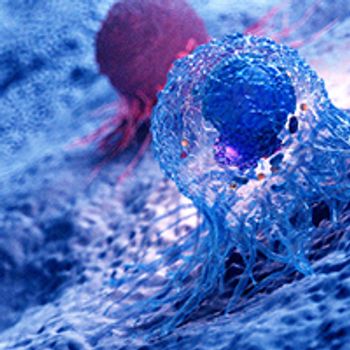
The addition of the soluble LAG-3 protein eftilagimod alpha to pembrolizumab produced responses and was well tolerated in patients with metastatic head and neck squamous cell carcinoma.

The addition of durvalumab to standard upfront therapy with chemotherapy and bevacizumab followed by maintenance bevacizumab, durvalumab, and olaparib led to a statistically significant improvement in progression-free survival compared with chemotherapy and bevacizumab alone in patients with newly diagnosed, advanced ovarian cancer without a BRCA1/2 mutation.

The combination of nivolumab and cabozantinib produced prolonged progression-free survival and higher response rates compared with sunitinib alone as frontline therapy in patients with advanced renal cell carcinoma, regardless of International Metastatic RCC Database Consortium risk status.
Neoadjuvant treatment with the combination of tremelimumab and durvalumab produced responses and was well tolerated in patients with mismatch repair–deficient and microsatellite instability–high, Epstein-Barr virus–negative gastric or gastroesophageal junction adenocarcinoma.

Administration of teclistamab in combination with daratumumab and lenalidomide demonstrated promising overall response rates and tolerability in patients with relapsed/refractory multiple myeloma who had prior lenalidomide exposure, according to initial data from the phase 1b MajesTEC-2 trial.