





Brain Cancer
Latest News
Advertisement
Latest Videos




































































Advertisement
More News

Findings from the phase II trials KEYNOTE-028 of pembrolizumab and MEDI4736 (durvalumab) point to a role for checkpoint inhibitors in the treatment of glioblastoma multiforme, based on encouraging efficacy signals and safety data with the two agents.

Combination therapy with ibudilast and temozolomide for glioblastoma multiforme increased apoptosis and prolonged survival by significantly reducing macrophage inhibitory factor and receptor CD74 expression.

A phase I trial of the antibody drug conjugate ABT-414 has shown promising results for the treatment of patients with EGFR-amplified, recurrent glioblastoma.

Martin J. van den Bent, MD, ‎Head Neuro-Oncology Unit at Erasmus MC Cancer Center, discusses what the next trials will be for ABT-414, anti-EGFR antibody-drug conjugate under exploration for patients with brain cancer.

Arie Perry, MD, chief of Neuropathology, University of California, San Francisco, discusses the potential implications of the new World Health Organization central nervous system tumor classifications.

Mark W. Kieran, MD, PhD, director, pediatric medical neuro-oncology, institute physician associate professor of pediatrics, Harvard Medical School, discusses the first study of dabrafenib in pediatric patients with BRAF V600–mutant disease.

Rimas V. Lukas, MD, associate professor of Neurology, director, Medical Neuro-Oncology, University of Chicago Medicine, discusses some of the exciting advances recently seen with immunotherapy in the treatment of patients with glioblastoma
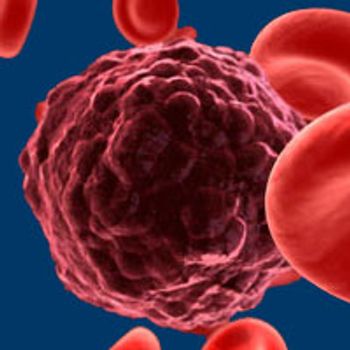
For patients who are likely to experience contiguous recurrence of glioblastoma, a new computer simulation using tumor treating fields and employing a personalized transducer array, delivered electric field intensities that exceeded therapeutic intensities in 3 different tumor locations. The findings may aid treatment planning when using the NovoTAL System, which optimizes therapeutic delivery in 2 orthogonal directions to the gross tumor volume and proximal peri-tumoral brain zone.

Using a "one-drug-fits-all" approach is not going to be a successful paradigm in a complex disease like glioblastoma.

Two headgear items, a system of applying electromagnetic currents to patients with glioblastoma and a cooling cap for individuals undergoing chemotherapy for breast cancer, are early entries in the field.
David Reardon, MD, discusses the potential for immunotherapy in brain cancer, its immunogenicity, and what preliminary data have shown so far regarding checkpoint inhibition.
Erica Bell, PhD, assistant professor-Clinical, Ohio State University Comprehensive Cancer Center, discusses a mutational analysis examining radiation therapy plus procarbazine, CCNU, and vincristine (PCV) as a potential treatment for patients with high-risk, low-grade glioma.

To discover targeted therapies for the more common and severe types of medulloblastoma, a laboratory at Sanford Burnham Prebys Medical Discovery Institute has led efforts to develop genetically engineered mouse models and patient-derived xenografts for studying the molecular basis of the disease.

Martin J. Van Den Bent, MD, professor, Neuro-Oncology, Erasmus MC-Daniel den Hoed Cancer Center, the Netherland, discusses the results of an interim analysis of the randomized phase III CANTON trial, which investigated concurrent and adjuvant temozolomide in patients with anaplastic glioma without a 1p/19q co-deletion.
An immunotherapy/antiangiogenesis combination proved to be safe and tolerable for patients with recurrent glioblastoma, preliminary data from an ongoing trial showed.

David A. Reardon, MD, discusses results of a cohort from the open-label CheckMate-143 trial, which explored the combination of nivolumab (Opdivo) and ipilimumab (Yervoy) in patients with recurrent glioblastoma multiforme (GBM).

A novel antiangiogenic gene therapy, added to bevacizumab, led to significantly better overall survival in recurrent glioblastoma multiforme compared with historical patients treated with bevacizumab alone, a small phase II trial showed.

Adding temozolomide to short-course radiotherapy after surgery boosted overall survival by nearly 2 months, bringing 1-year survival rates up from 22.2% to 37.8% for elderly patients with glioblastoma.
Single-agent nivolumab demonstrated encouraging signs of activity with a mild adverse event profile for patients with recurrent glioblastoma multiforme.
Results from a phase III trial investigating the benefit of adjuvant temozolomide in combination with radiation therapy has the potential to be practice changing for a rare type of brain cancer.

The recombinant oncolytic poliovirus PVS-RIPO has received breakthrough therapy designation from the FDA as a potential treatment for patients with recurrent glioblastoma multiforme.

Although advances have been made in imaging techniques for patients with glioblastoma multiforme, new tools are needed to supplement standard imaging sequences.
The future looks bright for immunotherapies and novel targeted approaches for patients with gliomas, many of which have already been developed for other types of cancer.
Treatment with rindopepimut (Rintega) plus temozolomide failed to improve overall survival compared with temozolomide and a control for patients with newly diagnosed EGFRvIII-positive glioblastoma multiforme.

Researchers at Washington University in St. Louis and elsewhere are focusing on lymphocytes, the essential effector cells in the immune response to cancer.
Advertisement
Advertisement
Trending on OncLive
1
Dr Fradley on Real-World Atrial Fibrillation and Cardiovascular Outcomes in CLL
2
Earlier CAR T-Cell Therapy Use Highlights Sequencing and Access Considerations in Myeloma
3
Poll Results Highlight Breast Cancer Abstracts of Interest at ESMO 2026
4
CDK4/6 Inhibitors Anchor First-Line Metastatic Breast Cancer Care, But Oral SERDs May Fall Short
5