
































































Bruce Roth, MD, from the Siteman Cancer Center, Washington University School of Medicine, discusses the treatment of several cancers with bevacizumab.
Bruce Roth, MD, from the Siteman Cancer Center, Washington University School of Medicine, discusses the treatment of several cancers with bevacizumab.

Glenn J. Lesser, MD, Professor, Hematology & Oncology, Comprehensive Cancer Center, Wake Forest Baptist Health, discusses armodafinil for brain radiation-induced fatigue.
Andrew T. Parsa MD, PhD, from the University of California, San Francisco, describes the design of a trial analyzing prophage G-200 vaccine for recurrent glioblastoma multiforme.

Glenn J. Lesser, MD, discusses the background of the RTOG 0424 study, which analyzed temozolomide in high-risk low-grade gliomas.
Mark R. Gilbert, MD, from the University of Texas MD Anderson Cancer Center in Houston, Texas, discusses findings from the RTOG 0825 phase III trial evaluating bevacizumab in patients with newly diagnosed glioblastoma.

Adding bevacizumab to a standard treatment regimen for glioblastoma consisting of chemoradiation with temozolomide in newly diagnosed patients does not improve OS and did not significantly improve PFS.

Researchers have identified a mechanism that explains why patients with glioblastoma have not had successful outcomes when treated with inhibitors of mTOR despite the fact that it is overexpressed in approximately 90% of cases.

Benjamin W. Purow, MD, a researcher whose focus is on glioblastomas, discusses the Notch pathway and the development of Notch-targeted anticancer agents.

Several recent clinical trials have yielded positive data that may open up new treatment options for patients with glioblastoma.

New data suggest that dental x-rays obtained frequently at a young age may boost the risk of intracranial meningioma.

A study that unfolded over 17 years has established combination chemotherapy after radiotherapy as a new standard of care for patients with anaplastic oligodendroglial tumors that contain 1p/19q chromosomal co-deletions.

Unexpected target mutations likely doomed a proven therapeutic approach to lung cancer in a test against glioblastoma.

Antonia Reyes was 39 years old and 18 weeks pregnant when an MRI revealed an apparent glioma in the right temporal-parietal lobe region.

At NCONN 2011, Sean Grimm, MD, discussed the management of Glioblastoma multiforme, the most common malignant primary brain tumor.

Dr. Sean Grimm from Northwestern University, Feinberg School of Medicine on MGMT as a Predictive Marker in Brain Cancer

New data suggest that patients with glioblastoma who are treated with valproic acid, an antiepileptic drug (AED), are likely to outlive patients who receive another type of AED or no AED at all.

Dr. Grimm from Northwestern University, Feinberg School of Medicine Discusses Brain Cancer Risk Factors

The following is a roundup of TPS abstracts that feature trials open to patients aged >17 years with a broad range of cancer types.
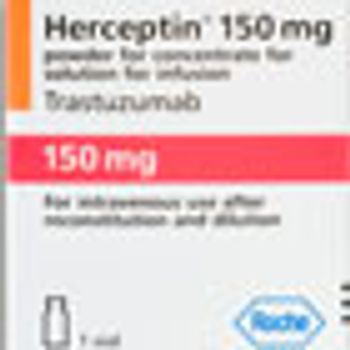
Treatment with Herceptin, chemotherapy, or surgery extended the lives of patients with HER2-positive MBC following a diagnosis of CNS metastases.

The field of immunotherapy is brimming with questions that researchers are working to answer, and many of those efforts were on display at the ASCO annual meeting.
In the phase III EXIST-1 trial, Afinitor reduced the size of SEGAs-benign brain tumors associated with TSC-by ≥50% in one-third of patients.
Lapatinib and capecitabine is a reasonable approach in a well-informed patient with brain metastasis and HER2+ breast cancer
Links to resource from across the web for brain cancer; includes news briefs, patient education, research and clinical trials

A dendritic cell vaccine under development may increase median survival time in patients with glioblastoma
The FDA has approved a novel device that uses electric fields to treat aggressive brain tumors