




Brain Cancer
Latest News
Advertisement
Latest Videos

































































Advertisement
More News

Martin J. van den Bent, MD, professor, Neuro-Oncology, Erasmus MC-Daniel den Hoed Cancer Center, the Netherlands, discusses the INTELLANCE 2 trial for recurrent glioblastoma.

Tumor-treating field therapy, which uses low-intensity electrical fields to disrupt cancer cell division and promote cell death, has gained a frontline approval in glioblastoma. Several pivotal clinical trials have been launched to determine whether the technology can help patients with other solid tumors.

Rachel Grossman, MD, Neurosurgery Department, Tel Aviv Sourasky Medical Center, discusses tumor treating fields for the treatment of patients with glioblastoma.
Evangelia Razis, MD, PhD, medical oncologist, Hygeia Hospital, Athens, Greece, discusses the significance of TERT mutations in the presence of NF1 mutations in patients with glioblastoma (GBM).
David A. Reardon, MD, clinical director, Center for Neuro-Oncology, Dana-Farber Cancer Institute, discusses pembrolizumab (Keytruda) and bevacizumab (Avastin) for the treatment of patients with recurrent PD-L1–positive glioblastoma.
Evangelia Razis, MD, PhD, medical oncologist, Hygeia Hospital, Athens, Greece, discusses the importance of molecular targeting for patients with glioblastoma.

Santhosh Upadhyaya, MD, neuro-oncologist, St. Jude Children’s Research Hospital, discusses radiation therapy for young children under the age of 3 who have ependymoma.

Treatment with the recombinant oncolytic poliovirus PVSRIPO elicited sustained a 2- and 3-year overall survival (OS) rate of 21% (95% CI, 11%-33%) for patients with recurrent grade IV malignant glioblastoma.

Carboxyamidotriazole orotate in combination with temozolomide, with or without radiotherapy, produced positive safety and efficacy results in a phase Ib study of patients with glioblastoma or anaplastic gliomas.
The NCCN has added the combination of TTFields (Optune) and temozolomide (Temodar) to its guidelines for Category 1 treatment of newly diagnosed glioblastoma following maximal safe resection and completion of radiation therapy.

Investigators are seeking to determine whether the combination of eflornithine with lomustine can improve survival for patients with recurrent anaplastic astrocytoma.

Treatment with the investigational agent DNX-2401 resulted in 20% of a cohort of patients with recurrent malignant glioma surviving more than 3 years from the time of treatment.
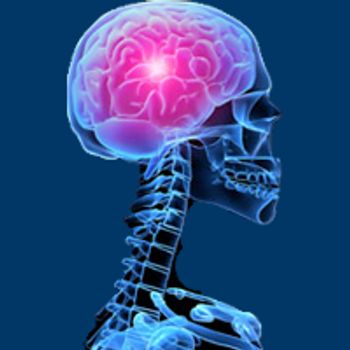
Adding tumor-treating fields to temozolomide resulted in improved progression-free survival and overall survival for patients with glioblastoma.
A2-step oncolytic virus has demonstrated promising signals against aggressive forms of brain cancers, including recurrent glioblastoma multiforme and anaplastic astrocytoma, in early clinical studies.

The FDA has granted bevacizumab a full approval for the treatment of adult patients with glioblastoma that progressed following prior therapy.

Immunotherapy has shown promise for treatment of glioblastoma multiforme (GBM), the most common primary brain tumor in adults with historically poor prognosis, but experts agree that combination regimens have the greatest potential to achieve durable response.

The FDA approved the first biosimilar for the treatment of cancer. ABP-215 (bevacizumab-awwb; Mvasi), a biosimilar for bevacizumab (Avastin), is indicated for the treatment of colorectal, lung, brain, kidney, and cervical cancers in adult patients.

In an ongoing phase II trial, researchers are investigating several targeted agents for use in the treatment of patients with glioblastoma (GBM).
Advertisement
Advertisement
Trending on OncLive
1
Dr Fradley on Real-World Atrial Fibrillation and Cardiovascular Outcomes in CLL
2
Earlier CAR T-Cell Therapy Use Highlights Sequencing and Access Considerations in Myeloma
3
Poll Results Highlight Breast Cancer Abstracts of Interest at ESMO 2026
4
CDK4/6 Inhibitors Anchor First-Line Metastatic Breast Cancer Care, But Oral SERDs May Fall Short
5