


Brain Cancer
Latest News
Advertisement
Latest Videos































































Advertisement
More News

The FDA has granted fast track designation to the investigational vaccine SurVaxM for the treatment of patients with newly diagnosed glioblastoma.
In a 14-to-6 vote, the FDA’s Oncologic Drugs Advisory Committee voted sufficient evidence has been provided to demonstrate the event-free survival benefit of eflornithine to reduce the risk of relapse in pediatric patients with high-risk neuroblastoma.

The FDA has granted an orphan drug designation to FG001 as an optical imaging agent for the visualization of malignant tissue during surgery for patients with high-grade glioma.
The FDA has granted fast track designation to ABM-1310 for the treatment of patients with glioblastoma harboring BRAF V600E mutations.
The FDA has approved temozolomide (Temodar) for the adjuvant treatment of adult patients with newly diagnosed anaplastic astrocytoma. Under Project Renewal, the regulatory agency has also revised indications for the treatment of patients with refractory anaplastic astrocytoma.
A rolling new drug application seeking the approval of tovorafenib monotherapy for the treatment of patients with relapsed or progressive pediatric low-grade glioma has been submitted to the FDA.
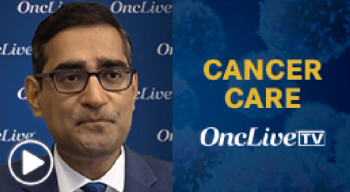
Varun Monga, MD, discusses the background for investigating the protein arginine methyltransferase 5 brain-penetrant inhibitor PRT811 in a phase 1 study in patients with recurrent high-grade glioma or uveal melanoma, as well as the agent’s mechanism of action.
The combination of vemurafenib and cobimetinib led to a 94% partial response rate or better in 16 patients with newly diagnosed BRAF-mutated papillary craniopharyngiomas.
Berubicin was found to have acceptable tolerability when administered as second-line treatment in patients with recurrent or refractory glioblastoma multiforme.
The FDA has granted orphan drug designation to LSTA1 for use as a potential therapeutic option in patients with malignant glioma, according to an announcement from Lisata Therapeutics, Inc.
Rimas V. Lukas, MD, reflects on the key points of his presentation delivered at the 2023 Best of ASCO Meeting, which comprised existing unmet needs in low-grade glioma, key efficacy and safety findings from the INDIGO trial, and the viability of vorasidenib-based combination regimens for future investigation.
The FDA has granted an orphan drug designation to ABM-1310 for the treatment of patients with BRAF V600–mutant glioblastoma.
The FDA has granted an orphan drug designation to gallium maltolate for use as a potential therapeutic option in pediatric patients with glioblastoma multiforme.

The addition of the CXCL12 inhibitor NOX-A12 to standard-of-care radiotherapy and bevacizumab elicited responses when used as first-line treatment in patients with glioblastoma, according to updated data from the expansion arm of the phase 1/2 GLORIA trial.

Varun Monga, MBBS, discusses the mechanism of action of PRT811, key efficacy and safety findings from a phase 1 trial investigating the agent, and potential future directions with this agent in uveal melanoma and IDH-mutant high-grade glioma.
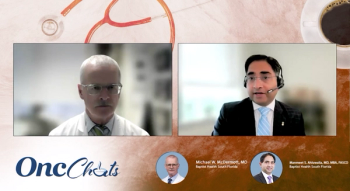
In this last episode of OncChats: Examining LIFU–Aided Liquid Biopsy in Glioblastoma, Manmeet Singh Ahluwalia, MD, MBA, FASCO, and Michael W. McDermott, MD, shed light on the excitement surrounding the use of low-intensity focused ultrasound in cancer and other conditions.

The European Commission has granted an orphan drug designation to Temferon for the treatment of patients with glioma, joining glioblastoma multiforme in its designation.
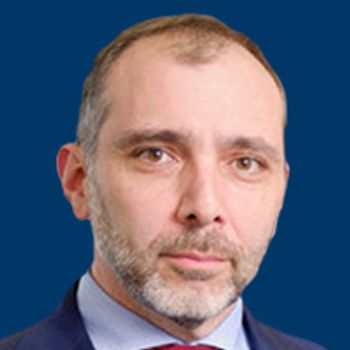
The addition of the CXCL12 inhibitor NOX-A12 to standard frontline therapy with radiation and bevacizumab led to an overall survival rate of 83% at a median follow-up of 15 months in patients with glioblastoma.

In this fourth episode of OncChats: Examining LIFU–Aided Liquid Biopsy in Glioblastoma, Manmeet Singh Ahluwalia, MD, MBA, FASCO, and Michael W. McDermott, MD, discuss the key objectives of the phase 3 LIMITLESS study (NCT05317858) examining low-intensity focused ultrasound with immunotherapy and chemotherapy in patients with lung cancer and brain metastases.
Varun Monga, MD, discusses the investigation of the protein arginine methyltransferase 5 brain-penetrant inhibitor PRT811 in patients with recurrent high-grade glioma or uveal melanoma.
The FDA has granted an orphan drug designation to the orally bioavailable, reversible small molecule EGFR inhibitor ERAS-801 for the treatment of patients with malignant glioma, including glioblastoma.

In this third episode of OncChats: Examining LIFU–Aided Liquid Biopsy in Glioblastoma, Manmeet Singh Ahluwalia, MD, MBA, FASCO, and Michael W. McDermott, MD, discuss the LIBERATE study (NCT05383872) examining low-intensity focused ultrasound in patients with glioblastoma.
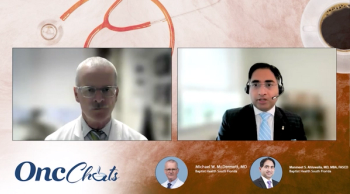
In this second episode of OncChats: Examining LIFU–Aided Liquid Biopsy in Glioblastoma, Manmeet Singh Ahluwalia, MD, MBA, FASCO, and Michael W. McDermott, MD, discuss the success observed with low-intensity focused ultrasound in essential tremors and the hope for this approach in brain cancer.
Timothy I Shaw, PhD, discusses the genetic heterogeneity between paired primary and metastatic solid tumors, as well as the implications for neoantigen-based personalized vaccines in cancer care.
Katherine B. Peters, MD, PhD, discusses findings from the phase 3 INDIGO trial of vorasidenib in patients with recurrent or residual grade 2 glioma harboring an IDH1 or IDH2 mutation and how these results support the addition of vorasidenib to the treatment armamentarium.
Advertisement
Advertisement
Trending on OncLive
1
Dr Fradley on Real-World Atrial Fibrillation and Cardiovascular Outcomes in CLL
2
Earlier CAR T-Cell Therapy Use Highlights Sequencing and Access Considerations in Myeloma
3
Poll Results Highlight Breast Cancer Abstracts of Interest at ESMO 2026
4
CDK4/6 Inhibitors Anchor First-Line Metastatic Breast Cancer Care, But Oral SERDs May Fall Short
5