




Brain Cancer
Latest News


Rhenium (Re186) Obisbemeda Shows Initial Safety, Clinical Benefit in Leptomeningeal Metastases
By Ashley Chan
Advertisement
Latest Videos






































































Advertisement
More News

The FDA issues a CRL to a glioma imaging agent, an sBLA seeking approval of an epcoritamab triplet in follicular lymphoma is planned for submission, and more.
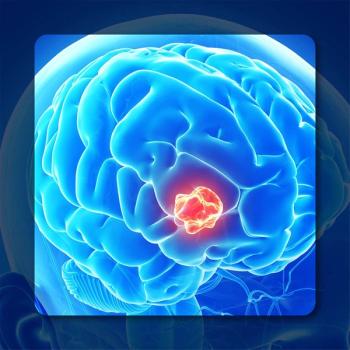
The FDA issued a complete response letter to the new drug application seeking the approval of TLX101-CDx as an imaging agent for glioma.
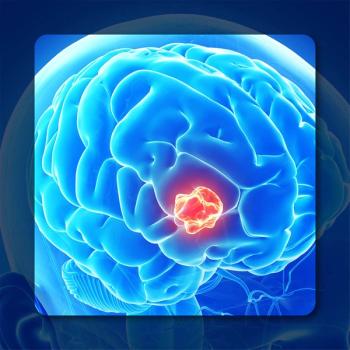
The FDA granted breakthrough therapy designation to BCB-276 for pediatric diffuse intrinsic pontine glioma.

TLX101 was associated with a favorable safety profile and preliminary signs of clinical activity in patients with recurrent high-grade glioma.

The bevacizumab biosimilar Jobevne was approved by the FDA for the treatment of several solid tumor types, including mCRC, NSCLC, and RCC.

The ZEISS INTRABEM 700 platform received 510(k) clearance from the FDA for use in neuro-oncology and breast cancer surgery.

William Kelly, MD, discusses the safety and efficacy signals seen with sacituzumab govitecan in a phase 2 study of patients with recurrent glioblastoma.
The combination of VXM01 and avelumab was well tolerated and has the potential to generate clinically meaningful responses in recurrent glioblastoma.
NEO100 was given rare pediatric disease designation by the FDA for the treatment of patients with pediatric-type diffuse high-grade glioma.
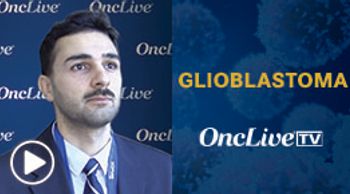
Georges Ayoub, MD, MS, discusses how a supervised deep-learning model trained with expert-labeled data seeks to improve interpretability and diagnostic precision in glioblastoma morphological analysis.
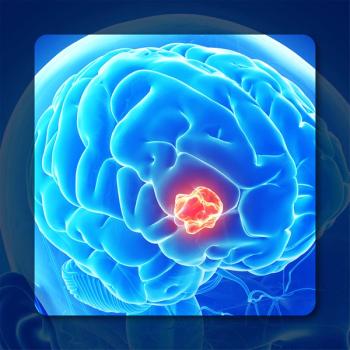
A randomized trial found no significant differences in recurrence or survival with smaller radiation margins vs standard RTOG protocols in patients with HGG.
FDA grants priority review to zongertinib in HER2-mutant NSCLC and dordaviprone for recurrent H3K27M+ diffuse glioma, and more from OncLive this week.

The FDA has accepted and granted priority review to an NDA for dordaviprone in recurrent H3K28M-mutant diffuse glioma.
Rene Y. McNall-Knapp, MD, discusses HRQOL outcomes from the ReNeu trial investigating mirdametinib in patients with NF1-PN.

Howard Colman, MD, PhD, discusses the STELLAR trial of eflornithine plus lomustine vs lomustine alone in recurrent, IDH-mutant, anaplastic astrocytoma.
Here is your snapshot of all therapeutic options that were approved by the FDA in January 2025 spanning tumor types.

Drs Camidge and Boire discuss Dr Boire's path to becoming a physician-scientist and how cellular biology research can improve outcomes for patients with cancer.
Tovorafenib generated durable drug holiday responses in pediatric patients with BRAF-altered relapsed/refractory low-grade glioma.
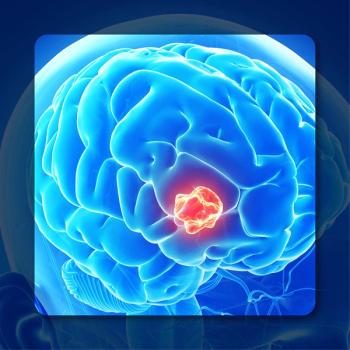
A marketing authorization application has been submitted to the EMA seeking the approval of eflornithine for patients with high-risk neuroblastoma.

A NDA has been submitted to the FDA seeking the approval of dordaviprone for recurrent H3K27M-mutant diffuse glioma.

Matthew J. Baker, PhD, discusses the ongoing investigation of the Dxcover Liquid Biopsy for patients with brain cancer in the EMBRACE study.

Manmeet Singh Ahluwalia, MD, MBA, FASCO, discusses the phase 2b SURVIVE trial of SurVaxM plus chemoradiation in newly-diagnosed glioblastoma.

The EMA’s CHMP has recommended the approval of belzutifan monotherapy for patients with select VHL disease–associated cancers.

Rimas V. Lukas, MD, discusses the potential role for eflornithine plus lomustine in recurrent grade 3 IDH-mutant astrocytoma.

Perioperative vorasidenib or ivosidenib demonstrated sustained clinical benefit in patients with predominantly non-enhancing IDH1-mutant diffuse glioma.
Advertisement
Advertisement
Trending on OncLive
1
Dr Fradley on Real-World Atrial Fibrillation and Cardiovascular Outcomes in CLL
2
Earlier CAR T-Cell Therapy Use Highlights Sequencing and Access Considerations in Myeloma
3
Poll Results Highlight Breast Cancer Abstracts of Interest at ESMO 2026
4
CDK4/6 Inhibitors Anchor First-Line Metastatic Breast Cancer Care, But Oral SERDs May Fall Short
5