


Brain Cancer
Latest News
Advertisement
Latest Videos

































































Advertisement
More News
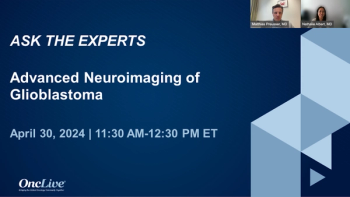
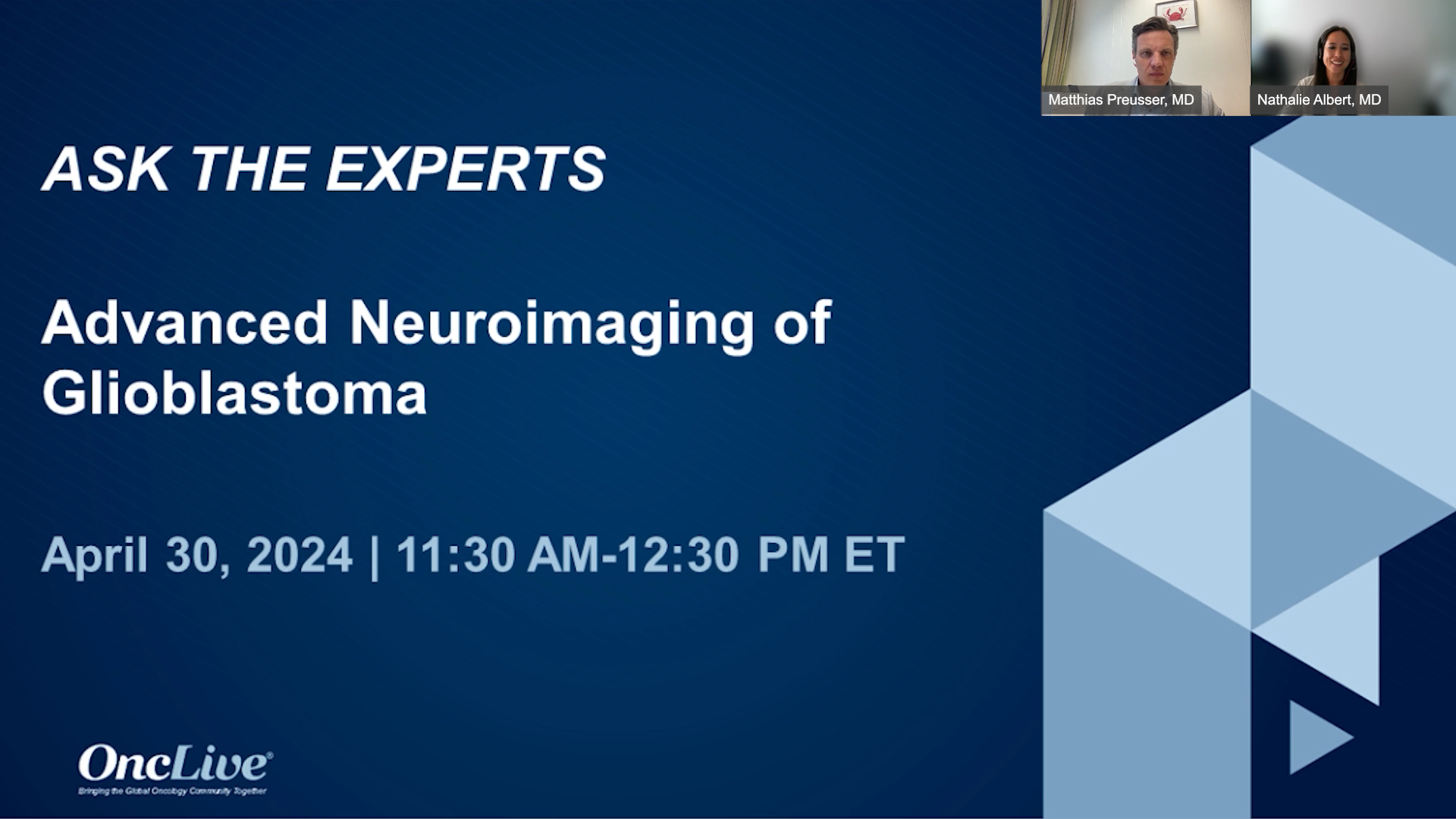
Experts engage in a comprehensive discussion on conventional imaging techniques, evaluating the strengths and limitations of CT and MRI scans, particularly in delineating tumor borders and distinguishing between tumors and the surrounding central nervous system tissue.
Medical experts discuss the use of various neuroimaging techniques, such as MRIs, CT scans, and PET scans, emphasizing that due to limitations of MRI it is frequently combined with other modalities to obtain more comprehensive information.

Sarah ES Leary, MD, MS, details the significance of the FDA-approval of tovorafenib for patients with relapsed or refractory BRAF-positive pediatric low-grade glioma.

James Knight, MD, discusses a case study of a patient with brain metastases from prostate cancer and the importance of multidisciplinary, comprehensive care.

Hideho Okada, MD, PhD, discusses cancer immunoprevention through the lens of vaccine approaches in patients with low-grade glioma.

In case you missed it, below is your guide to the important regulatory approvals made by the FDA in April 2024.

Leland Metheny, MD, discusses how agents such as Iomab-B have potential to shift practice in the hematologic malignancy space.
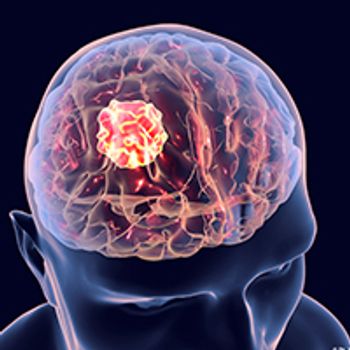
Vebreltinib has received approval from China’s NMPA in pretreated IDH-mutant, PTPRZ1-MET fusion–positive astrocytoma or glioblastoma.

Sarah E. S. Leary, MD, MS, discusses the FDA approval of tovorafenib for pediatric patients with relapsed/refractory, BRAF-mutant low-grade glioma.
The FDA granted accelerated approval to tovorafenib for pediatric patients relapsed/refractory low-grade glioma with a BRAF fusion/rearrangement or a BRAF V600 mutation.
In case you missed any, below is a recap of every episode of OncLive On Air that aired in March 2024.

The database of the phase 1/2 trial of EO2401 in combination with nivolumab with or without bevacizumab in recurrent glioblastoma has locked.

The PET imaging agent TLX101-CDx has received FDA fast track designation for the characterization of progressive or recurrent glioma.

Early safety and efficacy data seen with AZD1390 in a phase 1 study indicate it's potential utility as a radiosensitizing treatment in glioblastoma.

The cancer vaccine immunotherapeutic VBI-1901 generated disease control in patients with recurrent glioblastoma.

Grant winner Tyler Miller, MD, PhD, outlines innovative plans for glioma research.

Treatment with a next-generation CAR T-cell agent displayed early efficacy in a small group of patients with glioblastoma.
A CAR T-cell therapy directed toward 2 brain tumor–associated proteins displayed preliminary activity in recurrent glioblastoma.

Vorasidenib has been granted regulatory submission acceptance by the FDA and EMA for IDH-mutant diffuse glioma.

CAN-3110, an HSV-1 oncolytic viral immunotherapy candidate, has received FDA fast track designation for adult patients with recurrent high-grade glioma.

The NCCN has published the first set of treatment recommendations for neuroblastoma.
Stephen Bagley, MD, MSCE, discusses the phase 3 ACTION trial evaluating ONC201 in H3K27M-mutant diffuse midline gliomas.
Ashley Sumrall, MD, FACP, medical oncologist, section chief, Neuro-Oncology, clinical assistant professor, medicine, Atrium Health, Levine Cancer Institute, discusses the clinical efficacy of ONC201 in H3K27M-mutant diffuse midline gliomas.

The use of the first-in-class, microbiome-derived therapeutic vaccine EO2401 in combination with nivolumab with or without bevacizumab produced clinical activity and was well tolerated in patients with progressive/recurrent glioblastoma.

The FDA has granted fast track designation to the RNA replacement enzyme–based cancer gene therapy RZ-001 for the treatment of patients with glioblastoma, according to an announcement from Rznomics Inc.
Advertisement
Advertisement
Trending on OncLive
1
Dr Fradley on Real-World Atrial Fibrillation and Cardiovascular Outcomes in CLL
2
Earlier CAR T-Cell Therapy Use Highlights Sequencing and Access Considerations in Myeloma
3
Poll Results Highlight Breast Cancer Abstracts of Interest at ESMO 2026
4
CDK4/6 Inhibitors Anchor First-Line Metastatic Breast Cancer Care, But Oral SERDs May Fall Short
5