
Oncology Business Management
Latest News

Advertisement
Latest Videos





























































Advertisement
More News
Outpatient branded drug sales in the 340B Drug Pricing Program now amount to almost 8% of the total market, well up from 5.4% in 2012.
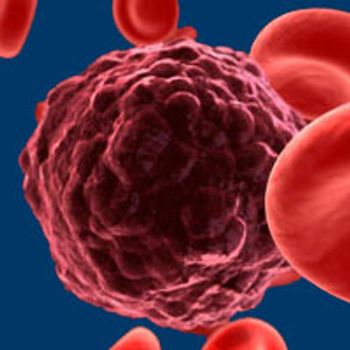
Novartis’ just-approved chimeric antigen receptor (CAR) T-cell therapy tisagenlecleucel is going to be introduced on the market at a price of $475,000 for a single infusion, an amount that is within the range anticipated by oncologists.






End-of-life palliative care consultations can significantly reduce healthcare utilization, according to a broad-based population study published in the Journal of Oncology Practice.
It is not far-fetched to believe that, one day soon, automated systems will be able to obtain payer approval for therapies without any human involvement.
Despite all the excitement and anticipation, there is a growing anxiety among payers and providers regarding the cost of CAR T cells.

Investigators at Cota, a New York medical data analytics company, are taking further strides toward putting their growing knowledge of variance in care to work in the clinical setting.

The FDA has approved inotuzumab ozogamicin for the treatment of adults with relapsed or refractory B-cell precursor acute lymphoblastic leukemia.

The FDA has granted a priority review to a supplemental biologics license application for brentuximab vedotin (Adcetris) for the treatment of patients with cutaneous T-cell lymphoma.

This commentary from Maurie Markman, MD, highlights a critical required component for the development of effective novel antineoplastic strategies through the process widely known as precision cancer medicine.
Despite improved outcomes with new treatment and targeted therapies, patients with cancer continue to be afflicted by distressing symptoms and serious toxicities, which affect daily functioning and quality of life.

Architects can tailor new buildings to oncology’s specific needs and Arizona Oncology built its newest facility from the ground up rather than renting generic offices.

When it comes to treating older populations for cancer, it’s often the case that the only available data are based on trials of younger patients in far healthier condition.

The Medicare Payment Advisory Commission (MedPAC) voted to approve several proposals aimed at decreasing Medicare spending for Part B physician-administered drugs.
To optimize clinical outcomes and reduce the total cost of care, it is important to limit physicians’ choices of care.
Advertisement
Advertisement
Trending on OncLive
1
FDA Approves Nogapendekin Alfa Inbakicept Plus BCG for High-Grade, Papillary-Only BCG-Unresponsive NMIBC
2
SurVaxM Cancer Vaccine Shows Clinically Meaningful OS Signal in Newly Diagnosed Glioblastoma
3
VS-7375 Elicits Responses in KRAS G12D–Mutated Pancreatic Cancer
4
FDA Receives NDA Resubmission for Rivoceranib Plus Camrelizumab in Frontline Unresectable or Metastatic HCC
5