
Oncology Business Management
Latest News
Advertisement
Latest Videos





























































Advertisement
More News
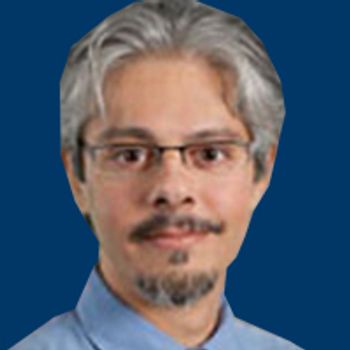
Bajil J. Shah, MD, discusses the significant impact CAR T-cell therapy can have on the treatment landscape for patients with acute lymphoblastic leukemia.
Oncologic Drugs Advisory Committee voted 10-0 today to recommend approval of a biologics license application for tisagenlecleucel (CTL019) for the treatment of patients aged 25 or younger with relapsed/refractory B-cell acute lymphoblastic leukemia.

The FDA has granted a full approval to blinatumomab (Blincyto) as a treatment for adults and children with relapsed/refractory B-cell precursor acute lymphoblastic leukemia, regardless of Philadelphia chromosome status.

The FDA’s Oncologic Drugs Advisory Committee voted 6-1 in favor of approving gemtuzumab ozogamicin (Mylotarg) in combination with daunorubicin and cytarabine for the treatment of patients with newly-diagnosed CD33-positive acute myeloid leukemia.

In 2016, just a quarter of oncology practices considered themselves prepared for upcoming US Pharmacopeia (USP) standards on hazardous drug management, according to the 2017 Genentech Oncology Trend Report.
Joliet Oncology-Hematology decided to create new governance and compensation structures and eventually elected a new president.
Whether the practice is large, with a boutique staffed by a full-time employee, or small, with an unmanned rack in the waiting room, it isn’t uncommon for a clinic to try selling nonmedical products to patients.
About 5 years ago, Texas Oncology moved to improve accountability and pathways compliance by introducing a pay incentive that put 2% to 3% of a physician’s pay at risk.
The nanotechnology sector has had its share of disappointments in the arena of oncology therapeutics. Nevertheless, the FDA is reviewing a new drug application for a novel compound and numerous investigational agents are in the pipeline.
Over the past 3 years, there has been a growing chorus of complaint about the rising costs of medications, particularly in oncology.
The impact of the Trump administration's agenda is being felt in the healthcare arena, prominently in the oversight for drug approvals.
There is a lack of hard data on practice performance that makes it difficult to understand where to make improvements so that goals under the OCM can be reached.
Cancer Care Northwest made a successful bet on going fully independent and became a dominant provider in its market.
CMS has put so much emphasis on reported data that it is now paramount for oncology practices to understand how data should be sifted and interpreted to arrive at meaningful conclusions.
Practices in CMS’ Oncology Care Model are individually receiving hundreds of thousands of dollars in new annual revenue, but physicians and administrators are not exactly celebrating the influx of cash.
The FDA has approved subcutaneous rituximab (Rituxan Hycela) for the treatment of adults with previously untreated and relapsed or refractory follicular lymphoma, previously untreated diffuse large B-cell lymphoma, and previously untreated and previously treated chronic lymphocytic leukemia.
Senate Republicans have introduced a healthcare bill that would revise many of the changes imposed by the Patient Protection and Affordable Care Act, cutting federal support for Medicaid and repealing the individual and employer mandates for having and providing insurance.
Regulatory actions have significantly reduced oncologists' pay in recent years, as part of the effort to improve value, but reforms are needed much higher up the drug distribution chain.
Researchers at Dana-Farber Cancer Institute and Brigham and Women’s Hospital are attempting to improve personalized medicine by analyzing DNA samples for known cancer biomarkers.
A divide has developed between pathways that primarily serve physicians and those that cater to payers that are trying to rein in costs.
Genomics, proteomics, precision analytics, Big Data analysis, and artificial intelligence now in use or in late phases of development can help healthcare providers to achieve the promises of the Triple Aim of medicine: improve clinical outcomes for all, reduce total cost of care for the populations served, and improve patient experiences
In recognition of the potential for real-world evidence to significantly improve the way patients with cancer are treated, CancerLinQ has formed new partnerships with the US government that are expected to coordinate the sharing of patient data and incorporate that information into the FDA regulatory process.
After a trio of mergers and sustained organic growth, Tennessee Oncology has 81 physicians who provide care in 30 locations in central and east Tennessee.
For about a decade, patient portals have been hailed as the wave of the future. However, many still require some work before they reach peak functionality, partly because many patients are reluctant to use them.
Major pharmacy companies are paying attention to the movement toward value-based care in oncology, but recent comments from representatives of 2 top firms suggest this sector is wary of risking capital to lower costs and improve patient outcomes.
Advertisement
Advertisement
Trending on OncLive
1
FDA Approves Nogapendekin Alfa Inbakicept Plus BCG for High-Grade, Papillary-Only BCG-Unresponsive NMIBC
2
SurVaxM Cancer Vaccine Shows Clinically Meaningful OS Signal in Newly Diagnosed Glioblastoma
3
VS-7375 Elicits Responses in KRAS G12D–Mutated Pancreatic Cancer
4
FDA Receives NDA Resubmission for Rivoceranib Plus Camrelizumab in Frontline Unresectable or Metastatic HCC
5