


Oncology Business Management
Latest News
Advertisement
Latest Videos





























































Advertisement
More News
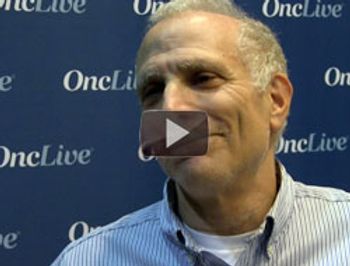
Elihu H. Estey, MD, professor of medicine, University of Washington School of Medicine, Fred Hutchinson Cancer Research Center, discusses a potential change to the FDA approval process as it relates to Mylotarg (gemtuzumab ozogamicin).

In a recent blog post and echoed on the Centers for Medicare & Medicaid Services (CMS) web site, Robert Tagalicod, director of the CMS Office of E-Health Standards and Services and acting National Coordinator for Health Information Technology Jacob Reider, MD, announced that the deadline for stage 2 of the meaningful use program would be extended through 2016.

The current American health care payment system that is tied to high-cost procedures, including cancer care, demonstrates the system's shortfalls and inefficiencies.

Following a fast track designation from the FDA earlier this year, a phase II clinical trial is being initiated to evaluate SGX942 as a treatment for oral mucositis in patients with head and neck cancer.

Oncologists and other specialists who prescribe specialty medications are highly satisfied with their specialty pharmacy, but that satisfaction doesn't translate to some traditional drugstores.

Some radiation oncologists may breathe a little easier for now because the CMS has decided not to cap certain freestanding radiation oncology reimbursements in its Physician Fee Schedule Final Rule.

Medical education and training is very intense, long, and expensive. When nearing the end of training, it is time to select a career path.

Medical practices are getting squeezed from all sides and are finding it difficult to stay financially solvent.
To respond to the growing demand in cancer services that the existing cancer center was experiencing, Wake Forest Baptist Medical Center is expanding its comprehensive cancer center to help patients cope with the daunting challenges of cancer diagnosis and treatment.

To gain insight into the studies being presented at the ASH Annual Meeting, we interviewed Marcel R.M. van den Brink, MD, PhD, on abstracts being presented by faculty at Memorial Sloan-Kettering Cancer Center.

The Centers for Medicare & Medicaid Services finalized physician payment rates and policies for 2014.

After a period of relative stability from 1991 to 2004, oncology practices can expect a continued drop in drug revenue in 2014, according to findings of the National Practice Benchmark (NBP) issued by Oncology Metrics.
Richard S. Finn, MD, associate professor of medicine, Department of Medicine, Division of Hematology/Oncology, Geffen School of Medicine at UCLA, discusses using AMG900 to treat breast cancer.

The American College of Radiology (ACR) has issued new and updated evidence-based guidelines to assist oncologists when ordering exams and ensure that patients get the correct scan or therapy for the right indication.
The hematology-oncology division of an academic health center participated in a pilot physician compensation exercise using variable compensation incentives with group-specific targets based on prior below-average performance.

Roy S. Herbst, MD, PhD, discusses the sequencing possibilities of anti-PD-1 agents in treating patients with lung cancer.

A new consortium of payers, clinicians, patients, and pharmaceutical companies are developing recommendations to help generate evidence-based guidelines to define coverage and develop payment decisions for treating cancer.
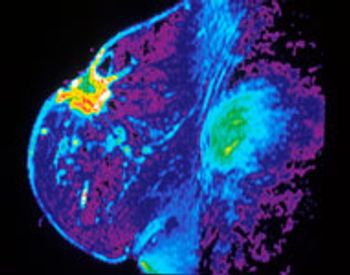
Two large cohort studies, suggest that the costly scan is being overused in women who won't benefit from it and underused in women who could gain benefit from it.
In this age of sequestration and health reform, 340B is getting a closer look by lawmakers-causing critics and advocates to line up to debate its merits.

Eroding reimbursement rates and a shift from intravenous (IV) to oral chemotherapy are combining to threaten the viability of many community oncology practices.
Two studies presented at this year's ASCO meeting suggest that a significant proportion of patients with cancer want to include the cost of therapy in their discussion of treatment options with their physician, regardless of insurance coverage.
Where Medicare patients receive their chemotherapy treatment makes a difference in the number of chemotherapy sessions that they receive on average.

Delivering high-quality cancer care continues to be a daunting problem for the US healthcare system because of a combination of factors, including an aging population, a shrinking work force, the rising cost of therapies, and a complex disease state and treatment regimen.
Urologists who treat men with prostate cancer are 2.5 times more likely to refer patients to intensity-modulated radiation therapy centers, especially if they have a financial stake in the IMRT center.
The highest expense reported by community oncology practices continues to be attributable to drugs and biologics, according to "2013 Trends in Community Cancer Centers," a survey sponsored by the Association of Community Cancer Centers.
Advertisement
Advertisement
Trending on OncLive
1
FDA Approves Nogapendekin Alfa Inbakicept Plus BCG for High-Grade, Papillary-Only BCG-Unresponsive NMIBC
2
SurVaxM Cancer Vaccine Shows Clinically Meaningful OS Signal in Newly Diagnosed Glioblastoma
3
VS-7375 Elicits Responses in KRAS G12D–Mutated Pancreatic Cancer
4
FDA Receives NDA Resubmission for Rivoceranib Plus Camrelizumab in Frontline Unresectable or Metastatic HCC
5