



Precision Medicine in Oncology®
Latest News
Advertisement
Latest Videos




























































Advertisement
More News
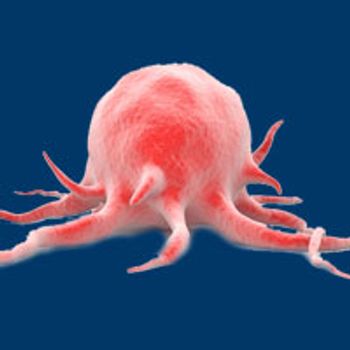
New research is carving out a role for ipilimumab and a second CTLA-4-targeting drug, tremelimumab, as combination therapy with potential in a variety of solid tumors. In addition to combinations with other immune checkpoint inhibitors, the agents are being evaluated across a breadth of other strategies.

Despite advances, the majority of patients receiving targeted therapies do not experience radiographic responses, and nearly all patients who initially benefit develop resistance in less than two years.



Advertisement
Advertisement
Trending on OncLive
1
Ifinatamab Deruxtecan BLA Voluntarily Withdrawn in Previously Treated Extensive-Stage SCLC
2
Etentamig Improves Response and PFS vs Standard Therapies in Triple-Class Exposed Relapsed/Refractory Myeloma
3
Dr Voorhees on Eligibility Criteria for the CERVINO Trial in Multiple Myeloma
4
Long-Term PERSEUS Data Confirm Durable PFS Benefit With D-VRd in Transplant-Eligible Newly Diagnosed Myeloma
5