






Precision Medicine in Oncology®
Latest News
Advertisement
Latest Videos

































































Advertisement
More News





The addition of three biological markers to conventional breast cancer risk models significantly improved the ability to distinguish women at high and low risk.
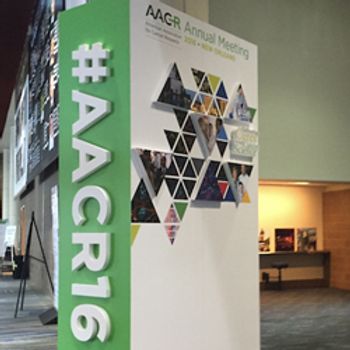
The combination of the PARP inhibitor olaparib and the investigational AKT inhibitor AZD5363 resulted in durable responses in patients with solid tumors, with and without BRCA mutations.

A new generation of EGFR-targeted TKIs are poised to displace traditional agents as frontline therapies for patients with lung cancer.
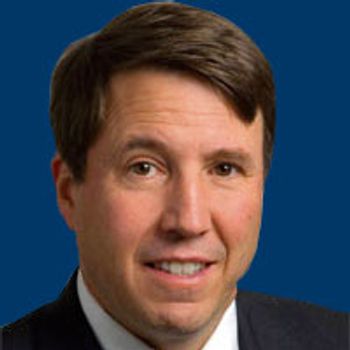
Many physicians are excited by the possibility of following the evolving story of their patients’ cancer no longer through images including PET scans, but through changes in the molecular phenotype of their patients’ tumors.

Next-generation sequencing efforts focusing on the most common form, head and neck squamous cell carcinoma, are illuminating the hidden complexities of its genome.



Treatment with gefitinib failed to show noninferiority compared with erlotinib for patients with pretreated non–small cell lung cancer.

Faisal Musa, MD, reviews the case of a patient with large granulocytic leukemia and discusses why collaborating with the patient’s pathologist was so important to her diagnosis.
Advertisement
Advertisement
Trending on OncLive
1
Ifinatamab Deruxtecan BLA Voluntarily Withdrawn in Previously Treated Extensive-Stage SCLC
2
Etentamig Improves Response and PFS vs Standard Therapies in Triple-Class Exposed Relapsed/Refractory Myeloma
3
Dr Voorhees on Eligibility Criteria for the CERVINO Trial in Multiple Myeloma
4
Long-Term PERSEUS Data Confirm Durable PFS Benefit With D-VRd in Transplant-Eligible Newly Diagnosed Myeloma
5