
Chronic Lymphocytic Leukemia
Latest News

Advertisement
Latest Videos


























































Advertisement
More News

Herbert A. Eradat, MD, explains how insight into the pathogenesis of chronic lymphocytic leukemia is leading to novel treatment strategies and shed light on unmet needs in the field.

David Bond, MD, addresses the ongoing challenge of second primary neoplasia in chronic lymphocytic leukemia.

The rise of oral targeted therapies and novel combinations is transforming the paradigm for the frontline treatment of patients with chronic lymphocytic leukemia regardless of age, and ongoing phase III trials are likely to generate more modifications.

Tanya Siddiqi, MD, a hematologist/oncologist at City of Hope, discusses the safety profile of lisocabtagene maraleucel (liso-cel; JCAR017) in the TRANSCEND CLL 004 trial.

Reducing or interrupting duvelisib treatment does not increase toxicity or reduce outcomes with relapsed/refractory chronic lymphocytic leukemia/small lymphocytic lymphoma. Furthermore, treatment with the PI3K inhibitor led to a superior median progression-free survival compared with ofatumumab while producing rapid and durable responses in heavily pretreated patients.

Tanya Siddiqi, MD, discusses the novel agents that have emerged in the treatment paradigm for patients with chronic lymphocytic leukemia.

Paolo Ghia, MD, discusses the efficacy results of the ASCEND trial, which examined the use of acalabrutinib monotherapy in patients with previously treated chronic lymphocytic leukemia.
Herbert A. Eradat, MD, compares novel therapies with cytotoxic chemotherapy in the treatment of patients with chronic lymphocytic leukemia.

Naval G. Daver, MD, associate professor, Department of Leukemia, The University of Texas MD Anderson Cancer Center, discusses safety differences between the TKIs ponatinib, dasatinib (Sprycel) and nilotinib (Tasigna) in the treatment of patients with chronic myeloid leukemia.
Mazyar Shadman, MD, MPH, assistant member, Clinical Research Division, Fred Hutchinson Cancer Research Center, assistant professor, Medical Oncology Division, University of Washington School of Medicine, and attending physician, Hematologic Malignancies, Seattle Cancer Care Alliance, discusses the efficacy of venetoclax (Venclexta) in chronic lymphocytic leukemia (CLL).
Kerry A. Rogers, MD, highlights the findings of a study examining acalabrutinib in ibrutinib-intolerant patients with relapsed/refractory chronic lymphocytic leukemia and the next steps for the data.

The FDA has granted a breakthrough therapy designation to acalabrutinib (Calquence) for the treatment of patients with chronic lymphocytic leukemia.

The European Commission has expanded the approval of ibrutinib to include use in combination with obinutuzumab for adult patients with previously untreated chronic lymphocytic leukemia, and also in combination with rituximab for the treatment of adult patients with Waldenström macroglobulinemia.

Sameem Abedin, MD, assistant professor, Medical College of Wisconsin, discusses the use of PI3K inhibitors in the treatment of patients with chronic lymphocytic leukemia (CLL).

Jeff Sharman, MD, director of research at Willamette Valley Cancer Institute and medical director of hematology research for The US Oncology Network, discusses the potential future of acalabrutinib (Calquence) in chronic lymphocytic leukemia (CLL).
David A. Bond, MD, assistant professor, The Ohio State University, discusses the high rates of second cancers in both treatment-naïve and pretreated patients with chronic lymphocytic leukemia who received BTK inhibitors.

Tanya Siddiqi, MD, a hematologist/oncologist at City of Hope, discusses the CLL14 trial, which tested venetoclax (Venclexta) plus obinutuzumab (Gazyva) versus obinutuzumab plus chlorambucil in patients with previously untreated chronic lymphocytic leukemia and coexisting conditions.

The FDA has approved PF-05280586, a biosimilar for rituximab, for the treatment of adult patients with CD20-positive B-cell non-Hodgkin lymphoma as a single agent or in combination with chemotherapy, or for patients with CD20-positive chronic lymphocytic leukemia in combination with chemotherapy.

Mazyar Shadman, MD, MPH, assistant member, Clinical Research Division, Fred Hutchinson Cancer Research Center, assistant professor, Medical Oncology Division, University of Washington School of Medicine, and attending physician, Hematologic Malignancies, Seattle Cancer Care Alliance, discusses the phase III CLL14 trial in chronic lymphocytic leukemia (CLL).
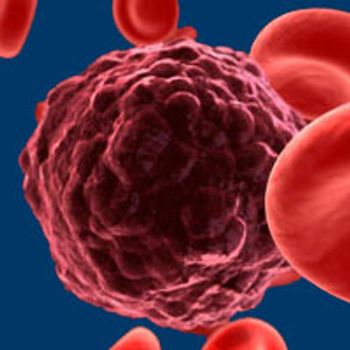
Monocytic myeloid-derived suppressor cells increased with ibrutinib treatment in a preclinical model of chronic lymphocytic leukemia, suggesting a role for ITK inhibition in this cell population.
Advertisement
Advertisement
Trending on OncLive
1
Sacituzumab Govitecan Triplet Elicits Durable Responses in Treatment-Naive Metastatic Urothelial Cancer
2
Perioperative Enfortumab Vedotin Plus Pembrolizumab Improves ctDNA Clearance in Cisplatin-Eligible MIBC
3
Ad Hoc Analysis Supports Contributions of Both Enfortumab Vedotin and Pembrolizumab in Cisplatin-Ineligible MIBC
4
Pembrolizumab Plus Chemo Misses EFS End Point in Cisplatin-Eligible MIBC
5