



Chronic Lymphocytic Leukemia
Latest News

Advertisement
Latest Videos



























































Advertisement
More News
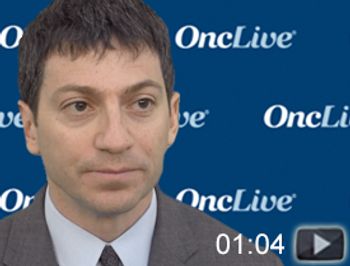
Matthew S. Davids, MD, MMSc, associate director, Center for Chronic Lymphocytic Leukemia, Dana-Farber Cancer Institute, discusses updated findings from the DUO study in patients with chronic lymphocytic leukemia.

Matthew S. Davids, MD, MMSc, discusses the clinical implications of the DUO trial in patients with chronic lymphocytic leukemia.

John F. Seymour, MBBS, PhD, discusses the clinical implications of the MURANO trial and highlights the feasibility for time-limited therapy and its benefits for patients with chronic lymphocytic leukemia.
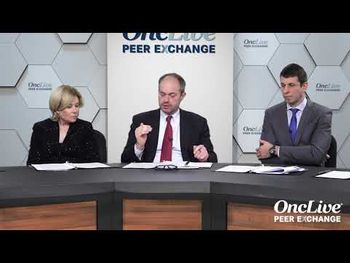
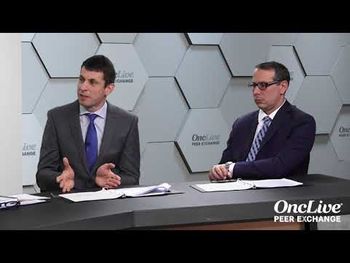
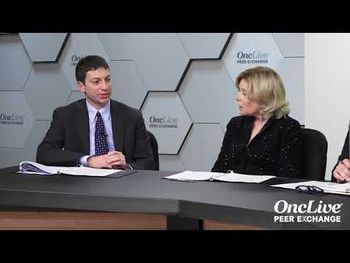






Nicole Lamanna, MD, associate professor of medicine, Hematologic Malignancies Section, Division of Hematology/Oncology, NewYork-Presbyterian/Columbia University Medical Center, discusses the MURANO trial in patients with chronic lymphocytic leukemia.
Kerry A. Rogers, MD, discusses phase II findings of a trial with obinutuzumab, ibrutinib, and venetoclax and the future of dose-limited regimens in chronic lymphocytic leukemia.
John F. Seymour, MBBS, PhD, clinical hematologist, associate director of Clinical Research, Peter MacCallum Centre, director of the integrated Haematology Department of the Peter MacCallum Cancer Centre and the Royal Melbourne Hospital, discusses the updated findings from the MURANO trial presented at the 2018 ASH Annual Meeting.

Patients with newly diagnosed or relapsed/refractory chronic lymphocytic leukemia achieved objective response rates as high as 100% with either of 2 doses of the BTK inhibitor acalabrutinib, results of an open-label phase II trial showed.

Jordan Gauthier, MD, MSc, senior clinical research fellow, Fred Hutchinson Cancer Research Center, discusses the potential for chimeric antigen receptor T-cell therapy in the treatment of chronic lymphocytic leukemia.

The combination of venetoclax and rituximab for relapsed/refractor chronic lymphoblastic leukemia produced high rates of undetectable minimal residual disease, which was associated with prolonged progression-free survival, a new analysis of a randomized trial showed.
Erlene Seymour, MD, assistant professor of medicine, Karmanos Cancer Institute, Wayne State University, discusses the role of ibrutinib in the treatment of patients with chronic lymphocytic leukemia.
Advertisement
Advertisement
Trending on OncLive
1
Adjuvant Giredestrant Preserves QOL With Sustained Tolerability in ER+, HER2– Early Breast Cancer
2
Sacituzumab Govitecan Triplet Elicits Durable Responses in Treatment-Naive Metastatic Urothelial Cancer
3
Perioperative Enfortumab Vedotin Plus Pembrolizumab Improves ctDNA Clearance in Cisplatin-Eligible MIBC
4
Ad Hoc Analysis Supports Contributions of Both Enfortumab Vedotin and Pembrolizumab in Cisplatin-Ineligible MIBC
5