


Chronic Lymphocytic Leukemia
Latest News
Advertisement
Latest Videos





















































Advertisement
More News
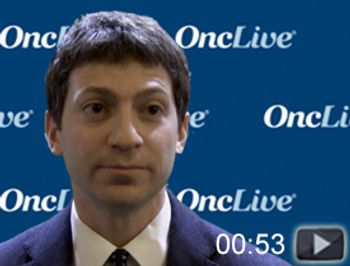
Matthew S. Davids, MD, MMSc, associate director, Center for Chronic Lymphocytic Leukemia, Dana-Farber Cancer Institute, assistant professor of medicine, Harvard Medical School, discusses ongoing research with ibrutinib plus venetoclax in chronic lymphocytic leukemia.
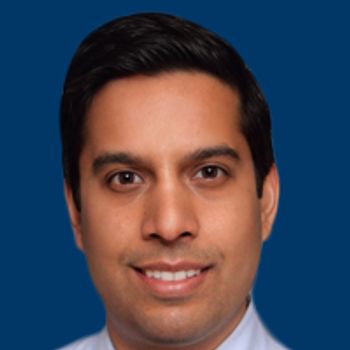
Sameem Abedin, MD, discusses the recent encouraging data in chronic lymphocytic leukemia with venetoclax, duvelisib, and acalabrutinib.

Acalabrutinib improved progression-free survival compared with rituximab plus either idelalisib or bendamustine in previously treated patients with chronic lymphocytic leukemia, according to findings from the phase III ASCEND trial.
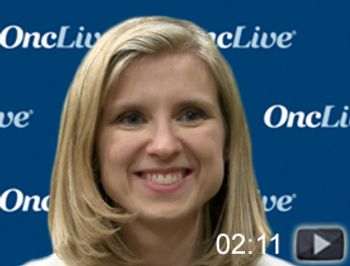
Danielle M. Brander, MD, assistant professor of medicine, Duke Cancer Institute, discusses the safety and efficacy of the combination of venetoclax (Venclexta) and ibrutinib (Imbruvica) in patients with chronic lymphocytic leukemia (CLL).
Sameem Abedin, MD, assistant professor, Medical College of Wisconsin, discusses key updates in the treatment of patients with chronic lymphocytic leukemia.

Matthew S. Davids, MD, MMSc, discusses recent shifts in the chronic lymphocytic leukemia paradigm with the use of novel therapies and the need to increase personalized treatment with these agents.

Fee-for-service tends to result in a surplus of care and unnecessary medical expense, but it probably won’t disappear from the landscape soon.

Joseph D. Rosenblatt, MD, discusses how advances made in chronic lymphocytic leukemia are changing the outlook for patients and predicts what can be accomplished in the near future.
Jacqueline C. Barrientos, MD, associate professor, The Feinstein Institute for Medical Research, Northwell Health, discusses promising agents in the treatment of patients with chronic lymphocytic leukemia.

During an OncLive Peer Exchange®, a panel of CLL experts review findings from studies presented at the 2018 American Society of Hematology meeting in December: iLLUMINATE, Alliance A041202, and ECOG E1912.
Matthew S. Davids, MD, MMSc, associate director, CLL Center, Dana-Farber Cancer Institute, assistant professor of medicine, Harvard Medical School, discusses challenges in the frontline treatment of patients with chronic lymphocytic leukemia.
William G. Wierda, MD, PhD, professor, Department of Leukemia, Division of Cancer Medicine, The University of Texas MD Anderson Cancer Center, discusses novel therapies in patients with relapsed/refractory chronic lymphocytic leukemia.
Matthew S. Davids, MD, MMSc, discusses methods for choosing between frontline therapies for patients with newly diagnosed chronic lymphocytic leukemia and highlights anticipated research in the field.
Matthew S. Davids, MD, MMSc, associate director, CLL Center, Dana-Farber Cancer Institute, assistant professor of medicine, Harvard Medical School, discusses frontline treatment approaches for patients with chronic lymphocytic leukemia.

Erlene Seymour, MD, assistant professor of medicine, Karmanos Cancer Institute, Wayne State University, discusses promising combination therapies in the treatment of patients with chronic lymphocytic leukemia (CLL).

A supplemental new drug application has been filed for the combination of venetoclax and obinutuzumab for the treatment of patients with previously untreated chronic lymphocytic leukemia who also have coexisting medical conditions.
William G. Wierda, MD, PhD, professor, Department of Leukemia, Division of Cancer Medicine, The University of Texas MD Anderson Cancer Center, discusses treatment options for patients with relapsed/refractory chronic lymphocytic leukemia.
Ryan W. Jacobs, MD, physician, Levine Cancer Institute, discusses the use of ibrutinib (Imbruvica) in treating chronic graft-versus-host disease in patients with chronic lymphocytic leukemia (CLL).

Based on the crucial role of BCL-2 family proteins in apoptosis regulation, targeting these proteins using BCL-2 inhibitors offers a potentially new therapeutic option for patients with various types of hematologic malignancies and, more recently, patients with solid tumors.

Advertisement
Advertisement
Trending on OncLive
1
Adjuvant Giredestrant Preserves QOL With Sustained Tolerability in ER+, HER2– Early Breast Cancer
2
Sacituzumab Govitecan Triplet Elicits Durable Responses in Treatment-Naive Metastatic Urothelial Cancer
3
Perioperative Enfortumab Vedotin Plus Pembrolizumab Improves ctDNA Clearance in Cisplatin-Eligible MIBC
4
Ad Hoc Analysis Supports Contributions of Both Enfortumab Vedotin and Pembrolizumab in Cisplatin-Ineligible MIBC
5